Archive · 4 Aug 2025
Indian Team's Intervention Prevents Potential Disaster Before Axiom-4 Launch

Before the launch of a space mission carrying an Indian astronaut, a team from India found a potentially dangerous crack in the rocket.
Because of this, the mission was delayed.
The crack was fixed.
Then a leak in the ISS caused further delays.
This experience helped the Indian team learn more about how crewed space missions work.
Indian scientists observed astronaut training.
They are going to use what they learned to help future space missions in India.

ISRO team's intervention led to the discovery and repair of a crack in the Axiom-4 rocket's oxidizer line.
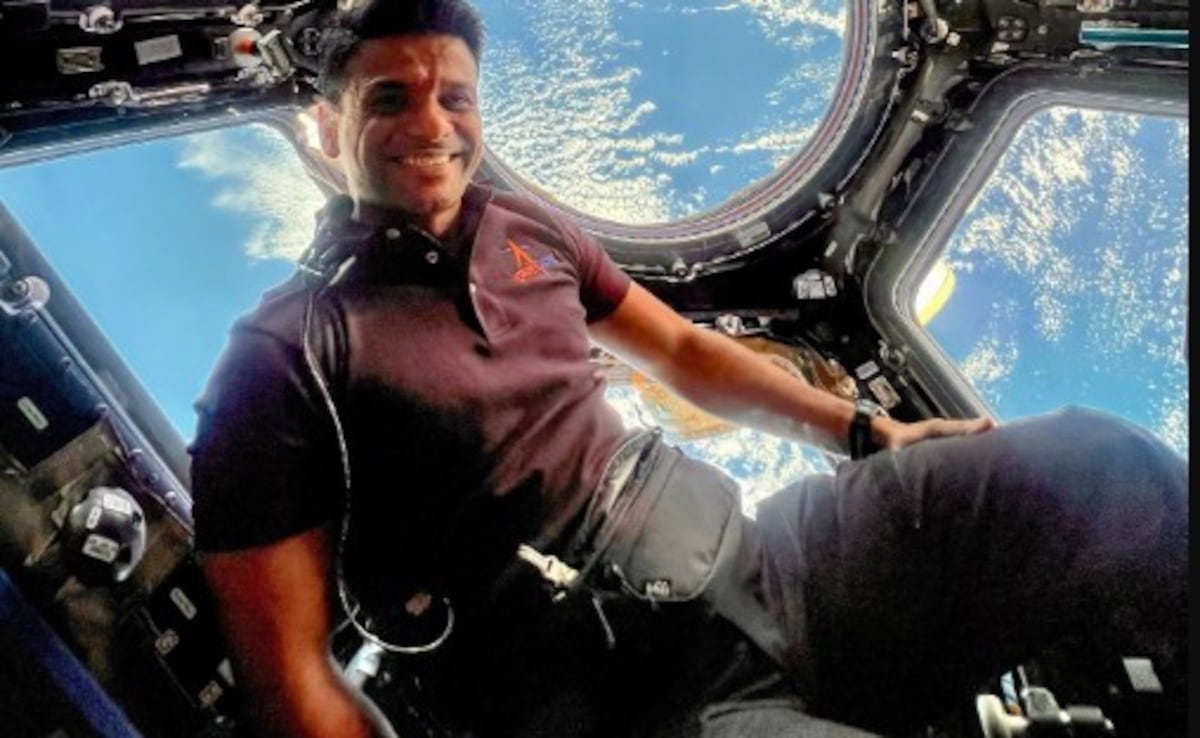
The crack posed a significant safety risk to the crewed mission carrying Indian astronaut Shubhanshu Shukla.
The mission was delayed due to the crack and an additional leak issue with the ISS's Zvezda module.
ISRO gained valuable experience in crewed mission operations, including astronaut training and real-time decision-making.
Shukla's experience in microgravity and isolated environments will be used to develop future Indian programs.
- Who
- ISRO, NASA, and the Axiom-4 crew, including Indian astronaut Shubhanshu Shukla.
- What
- The critical intervention by the Indian team that led to identifying a crack in the Axiom-4 rocket and the lessons learned by ISRO.
- When
- Prior to the Axiom-4 mission's launch in June 2024.
- Where
- Kennedy Space Center, Florida, and the ISS.
- Why
- To ensure the safety of the crewed mission and to advance ISRO's human spaceflight program.
- Mission Name
- Axiom-4
- Indian Astronaut
- Shubhanshu Shukla
- Launch Location
- Kennedy Space Center, Florida
- Primary Issue
- Crack in Oxidizer Line
- ISRO Role
- Insisting on additional safety checks.