

Archive · 31 Oct 2025
World Bank Disputes Pakistan's Poverty Reduction Claims, Cites Rural Crisis
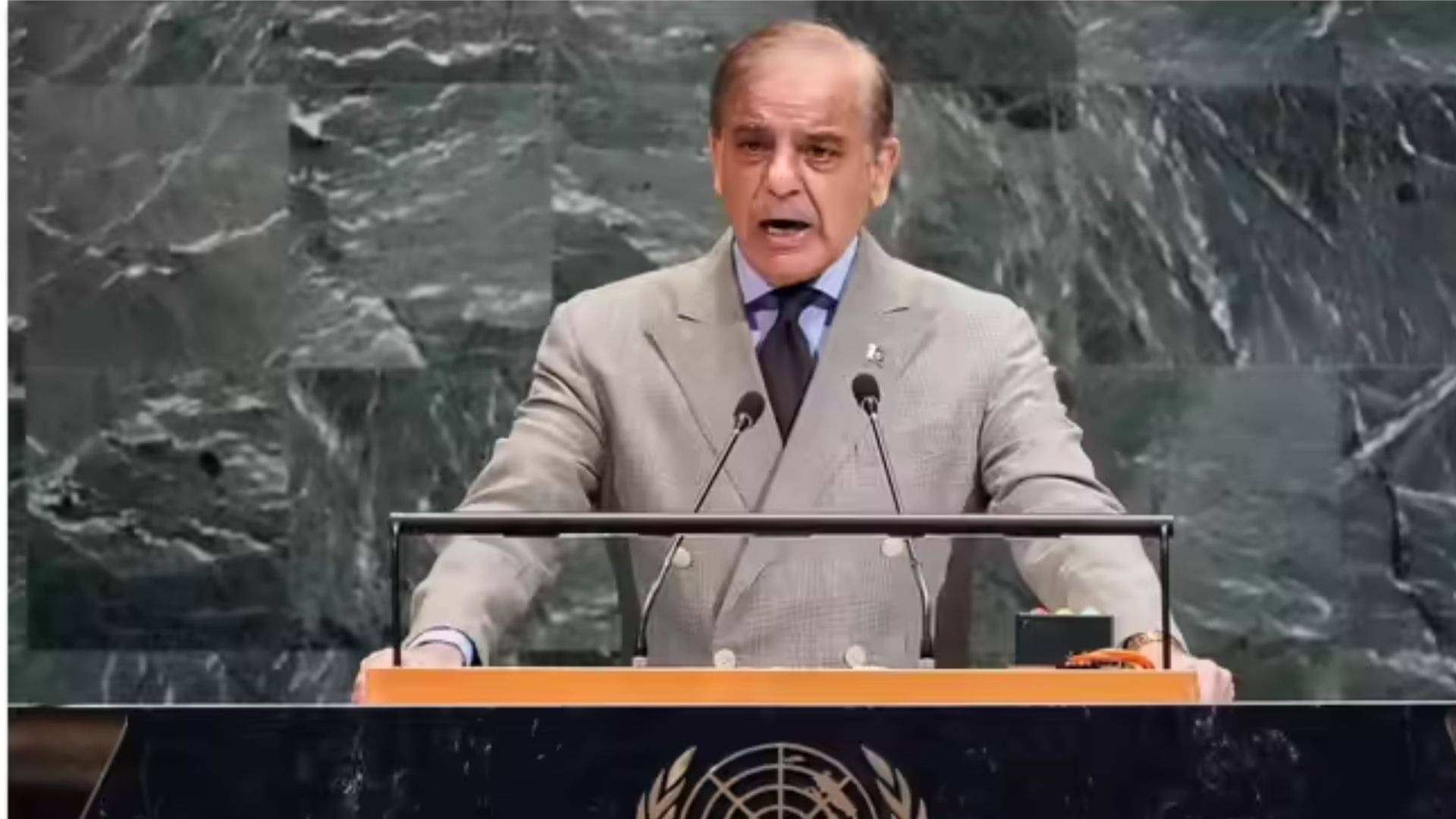
Imagine Pakistan said it was doing a much better job helping poor people, like giving them more toys.
But the World Bank, a big helper organization, looked at their numbers and said, 'Not so fast!'
They think only a few people are doing a little better, and many people who live in the countryside are still struggling.
The World Bank said that while the country's money situation is a bit more stable for now, it's not growing fast enough to really help everyone escape being poor in the long run.
They also pointed out that many kids are not growing well because they don't have enough good food or services.
The World Bank is waiting for real surveys, like counting every toy, to get the true picture of how people are doing.

The World Bank has cast doubt on Pakistan's claims of significant poverty reduction.
Rural poverty in Pakistan remains more than double urban poverty, with sharp provincial welfare gaps.
Economic progress has disproportionately benefited sectors like logistics and construction, not the rural poor.
The World Bank projects Pakistan's GDP growth at 3% for FY2025-26 but deems it insufficient for long-term poverty alleviation.
Upcoming household surveys are expected to provide accurate poverty data, replacing current projections.
- Who
- The World Bank
- What
- Questioned Pakistan's poverty reduction claims, highlighting persistent rural poverty and economic stagnation.
- When
- Recent reports and projections for FY25 and FY25-26.
- Where
- Pakistan
- Why
- Because limited groups have seen marginal improvement, rural populations are experiencing worsening economic pressures, and current economic models are insufficient for sustainable living standard improvements.
- National Poverty Estimate (FY25 Projection)
- 22.2%
- Previous National Poverty Estimate (FY24 Projection)
- 25.3%
- Projected GDP Growth (FY25-26)
- 3%
- Stunted Children Percentage
- Nearly 40%
- Rural vs. Urban Poverty
- Rural poverty more than double urban poverty