

Archive · 13 Jan 2026
Rodenticides Found in Dead Chousinghas at Delhi Zoo
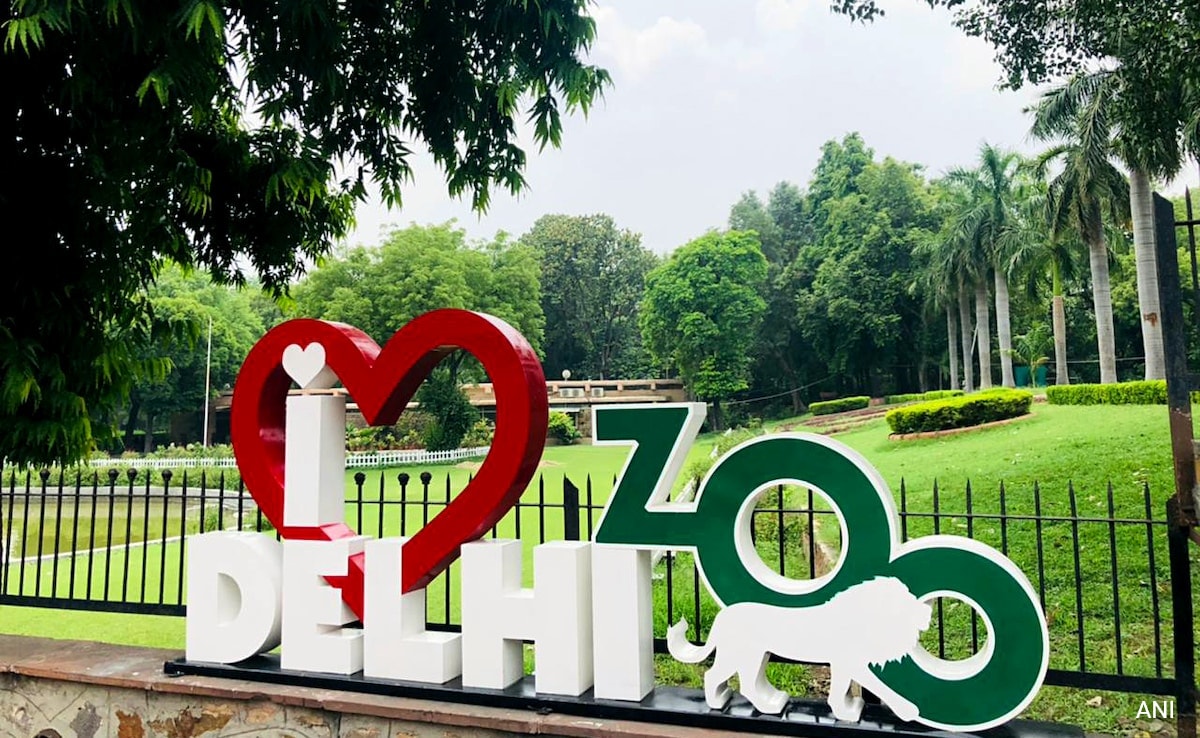
A report from the ICAR-Indian Veterinary Research Institute (IVRI) found that four chousinghas (a type of antelope) at the Delhi Zoo died because they were exposed to rodenticides.
These rodenticides contain a chemical called phosphine, which was found in their stomachs.
The report also mentioned that other animals, like the goral (a type of mountain goat), have shown unusual behavior recently.
The zoo's feed samples were tested and found to be safe from certain toxins, but the samples of puffed rice, marble chips, and oil were not tested.
The zoo authorities have not yet commented on the report.

Phosphine, a toxin found in rodenticides, was detected in the stomachs of four dead chousinghas at the Delhi Zoo.
The report from IVRI ruled out the presence of hydrogen cyanide, nitrate-nitrite, heavy metals, and common pesticides.
Other animals, like the goral, have shown unusual behavior, prompting closer monitoring.
25 feed samples from the zoo were tested and found to be negative for aflatoxin B1 and common insecticides.
Samples of murmura (puffed rice), marble chips, and oil were not analyzed in the report.
- Who
- Delhi National Zoological Park authorities and ICAR-Indian Veterinary Research Institute (IVRI)
- What
- Presence of phosphine in biological samples of four dead chousinghas
- When
- Last month (specific date not mentioned)
- Where
- Delhi National Zoological Park
- Why
- Exposure to rodenticides (aluminium phosphide or zinc phosphide)
- Species Affected
- Four-horned antelope (chousinghas)
- Toxin Found
- Phosphine
- Source of Toxin
- Rodenticides (aluminium phosphide or zinc phosphide)
- Samples Tested
- Rumen and intestinal content
- Other Species Affected
- Goral (mountain goat)
- Feed Samples Analyzed
- 25
- Feed Samples Negative For
- Aflatoxin B1 and commonly used insecticides