Archive · 7 Aug 2025
Monsoon Season in India Fuels Respiratory Illnesses
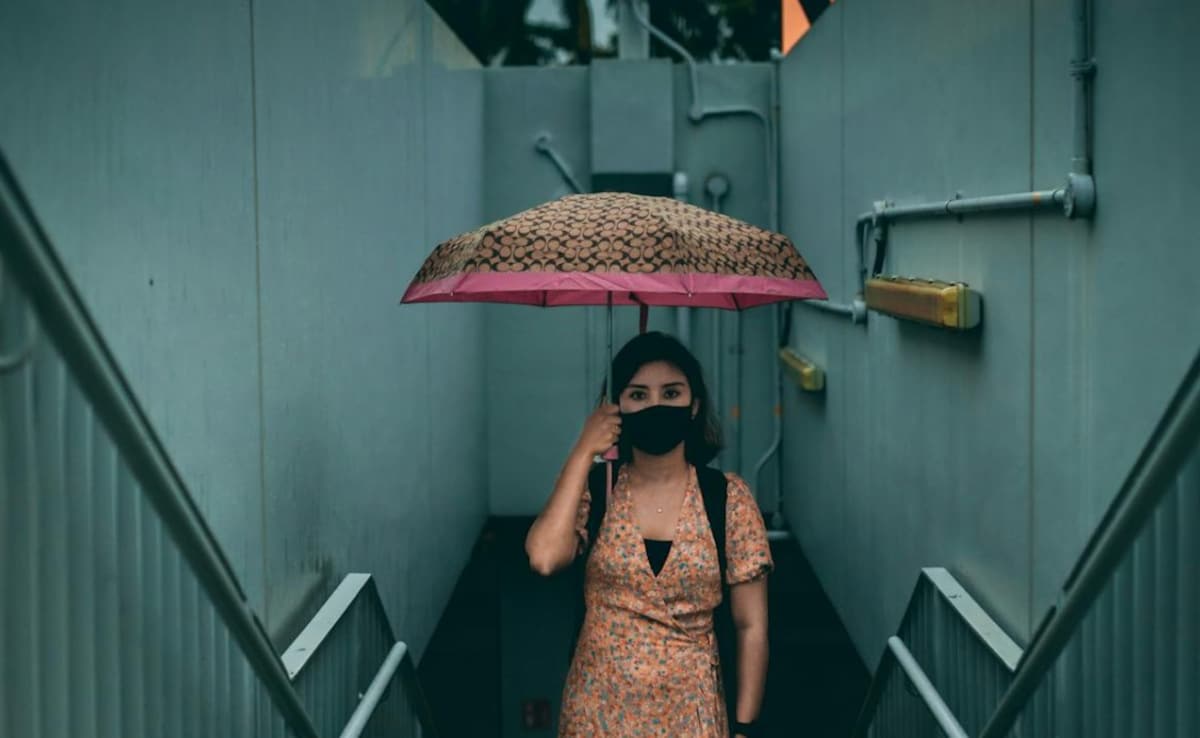
The Indian monsoon season brings rain, but also more chances of getting sick with a cough or the flu.
The air gets damp and stuffy, which helps germs spread.
This can lead to colds, flu, and asthma flare-ups.
To stay healthy, use air filters and clean your house.
Also, get your flu shot.
Eat healthy foods and stay away from dusty places.

Monsoon season in India increases risk of respiratory illnesses.
Common illnesses include colds, flu (H3N2), asthma exacerbations, and pneumonia.
High humidity, reduced ventilation, and pollution contribute to the spread of pathogens.
Preventive measures include maintaining indoor air quality, respiratory hygiene, and vaccination.
Boosting immunity, staying hydrated, and avoiding dusty areas are also recommended.
- Who
- Anyone in India, particularly children, the elderly, and those with existing respiratory conditions.
- What
- Increased respiratory illnesses during the Indian monsoon.
- When
- Monsoon season (June to September).
- Where
- India, particularly in high-density urban areas.
- Why
- High humidity, reduced ventilation, and increased pollutants during the monsoon season contribute to respiratory issues.
- Main Issue
- Rise in respiratory illnesses during the Indian monsoon
- Contributing Factors
- High humidity, reduced ventilation, and air pollution
- Common Illnesses
- Colds, flu (H3N2), asthma exacerbations, pneumonia, bronchitis
- Prevention
- Indoor air quality, vaccination, respiratory hygiene, avoiding dust
- Specific Advice
- Use dehumidifiers, HEPA filters, get flu shots, stay hydrated, eat healthy