

Archive · 3 Oct 2025
Caste and Class Divide in India's Study Abroad Dream
Many Indian students want to study abroad, but it's not always easy.
The Chief Justice of India pointed out it's great for learning but stressed the importance of scholarships over simply wanting to go.
While the number of students going abroad has increased, access isn't equal.
Historically, higher education, including abroad, has been dominated by upper castes and the wealthy.
Despite scholarships, underprivileged students still face challenges.
The Chevening scholarship program helps by selecting more students from smaller towns and marginalized groups.
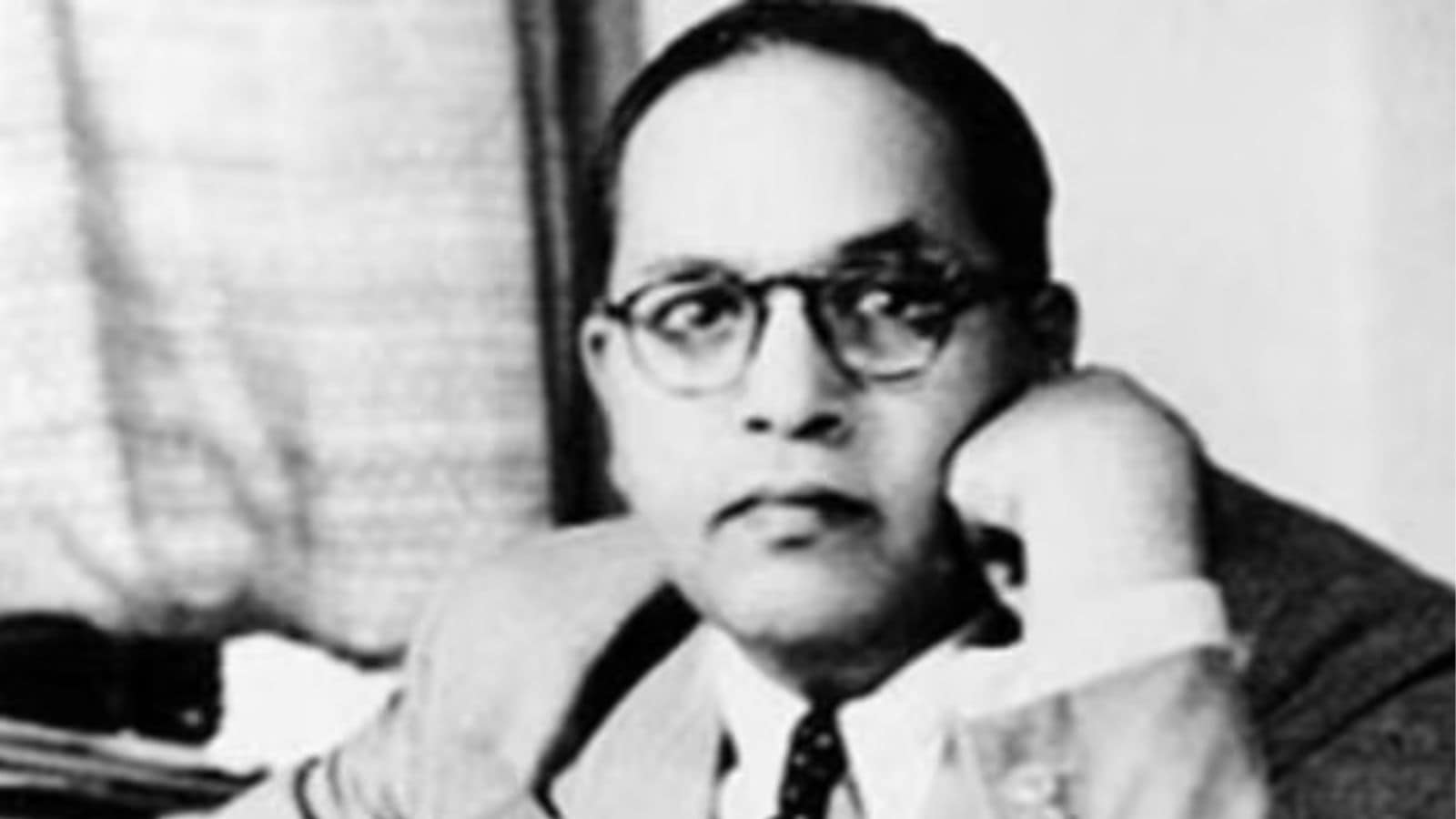
Studying abroad can help people from all backgrounds, as seen with B. R. Ambedkar and Jaipal Singh Munda.

The number of Indian students studying abroad has steadily increased in recent years.
Access to higher education abroad is often limited by caste and class.
Scholarships have broadened access, but inequalities persist.
The Chevening scholarship program is actively working to increase diversity.
Studying abroad can lead to greater equity and inclusion.
- Who
- Indian students seeking education abroad.
- What
- The impact of caste and class on the ability of Indian students to study abroad.
- When
- 2020-2024 (spike in student numbers), and historically (colonial era).
- Where
- India, and abroad.
- Why
- To examine the systemic barriers, particularly along caste lines, that impact access to higher education abroad.
- Student Numbers Abroad (2023)
- 8.95 lakh
- Student Numbers Abroad (2020)
- 2.6 lakh
- Chevening Scholarship Recipients
- Over 3,900
- Chevening Scholarship Women
- 50%