

Archive · 12 Aug 2025
US Tariffs Impact: China Factories Cut Shifts and Wages
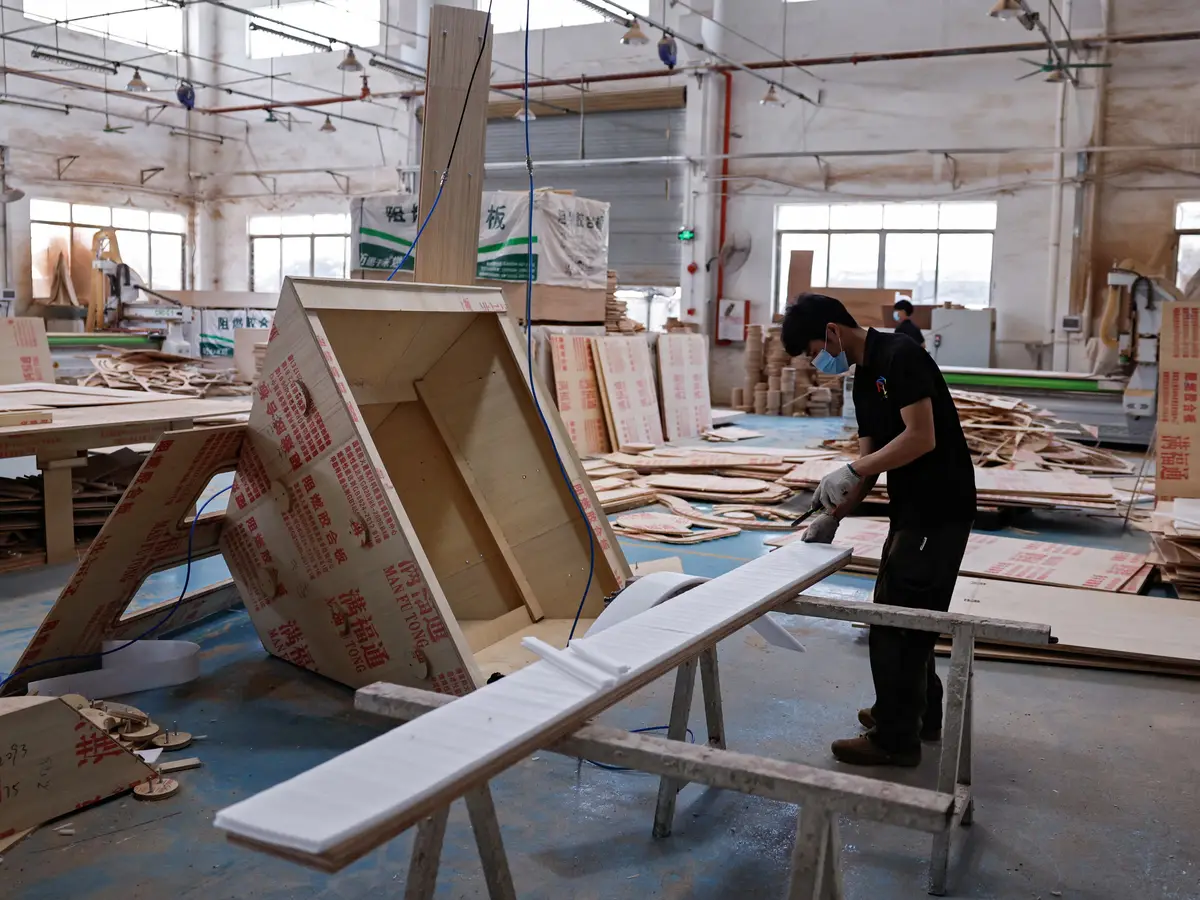
Imagine China is selling things to the US, but the US made these things more expensive to buy.
Now, factories in China are struggling.
They're making workers work less, paying them less, and hiring temporary help.
They're trying to sell their products to other countries instead, but this means they have to lower prices, making it harder for workers.
Even though things have gotten a little better recently, economists worry this could hurt the whole Chinese economy, making things cheaper but also causing problems for workers.

Chinese factories are cutting shifts, wages, and using more temporary workers due to US tariffs.
Competition is intensifying for non-US markets like Australia.
A tariff truce offers temporary relief, but underemployment is worsening.
Chinese exports to the US dropped significantly, while exports to other regions rose.
Economists warn of potential deflationary pressure due to squeezed manufacturing wages.
- Who
- Chinese manufacturers and workers, particularly in export-focused industries, are affected.
- What
- Chinese factories are cutting shifts, reducing wages, and increasing use of temporary workers due to US tariffs.
- When
- The article discusses the current situation, including data from July.
- Where
- The situation is visible in export hubs like Guangdong, China.
- Why
- US tariffs and competition for non-US markets are squeezing export margins, leading to these changes.
Workers
Companies
Impact on Workers vs. Companies
Workers
Workers are experiencing reduced wages and less work.
Companies
Companies are struggling to maintain profits and market share.
- US Export Drop (Year-on-Year)
- 21.7%
- Factory Capacity (Cartia Global Manufacturing)
- 50%
- Factory Worker Wage Cost Cut Goal
- 30%
- Temporary Worker Pay Rate
- 14 yuan/hour (in some regions)