8 months ago
MoRTH Issues Guidelines After Silkyara Tunnel Collapse
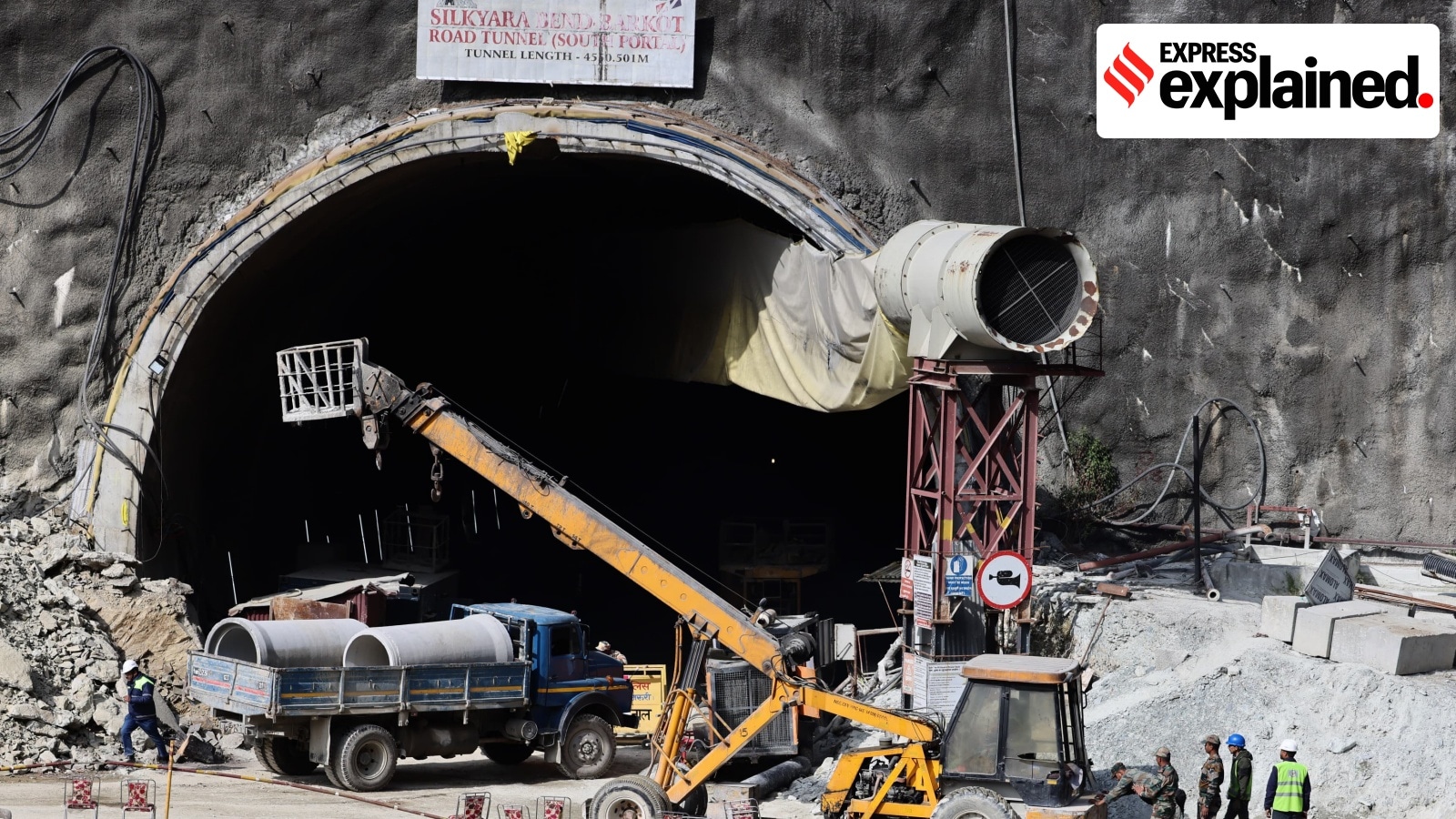
Two years after a big tunnel called the Silkyara Bend-Barkot Tunnel collapsed and trapped 41 workers, the government's road ministry made new rules to stop such accidents.
The rules say that before building tunnels, detailed studies about the ground and possible risks must be done.
They also say that the people in charge of building tunnels should be ready to handle emergencies.
The ministry has completed many tunnels and is building more, so these rules are very important.
The rules talk about different ways to build tunnels and how to keep workers safe.
They also say that in case of an accident, there should be plans and trained people to help.

The Silkyara Bend-Barkot Tunnel collapsed on November 12, 2021, trapping 41 workers, who were rescued after 17 days.
The Ministry of Road Transport and Highways (MoRTH) issued guidelines on December 5, 2023, to prevent future tunnel collapses.
The guidelines emphasize detailed project reports (DPR), geotechnical baseline reports (GBR), and risk registers for tunnel projects.
The ministry has completed 42 tunnels covering 60.37 km and is currently implementing 57 tunnels covering 93.96 km.
The guidelines include specific measures for emergency response, including trained shift managers and designated roles for different authorities.
- Who
- Ministry of Road Transport and Highways (MoRTH)
- What
- Issued guidelines for preventing and mitigating road tunnel collapses
- Where
- India
- When
- December 5, 2023
- Why
- To prevent future tunnel collapses and ensure safety in tunnel construction
Key facts
- Date of Collapse
- November 12, 2021
- Location
- Silkyara Bend-Barkot Tunnel, Dharasu–Yamunotri highway section of NH-134
- Number of Workers Trapped
- 41
- Rescue Duration
- 17 days
- Guidelines Issued By
- Ministry of Road Transport and Highways (MoRTH)
- Date of Guidelines
- December 5, 2023
- Total Tunnels Completed
- 42 tunnels covering 60.37 km
- Tunnels Under Implementation
- 57 tunnels covering 93.96 km
Quotes

Ministry of Road Transport and Highways (MoRTH)
The government body responsible for the development and maintenance of the road infrastructure in India.
“Tunnels shall be categorised into collapse-risk zones based on the potential for structural failure, even after primary support systems are installed. In high-risk zones, an Np-4 escape pipe of a minimum 0.9-meter-diameter shall be placed in the invert area and extended into lower-risk zones to provide emergency access. At least one mobile rescue container (capacity: 12 workers) shall be positioned 150 300 meters behind the tunnel face, with a fixed container (capacity: 24 workers) every 2 kilometres. These containers must provide at least 24 hours of survival capability.”
 indianexpress.com
“The Risk Register should include the perceived hazards and associated risks for the project and indicate potential mitigation measures with comprehensive explanations for their basis, based on the DPR studies. The baseline report shall serve as a reference for determining expected efforts and aim for the highest practical accuracy…All the construction tenders shall be issued for bidding with the GBR and Risk Register as part of the information provided to bidders.”
indianexpress.com