Archive · 14 Sep 2026
India Approves 654 MW Power Exports to Flood-Hit Nepal
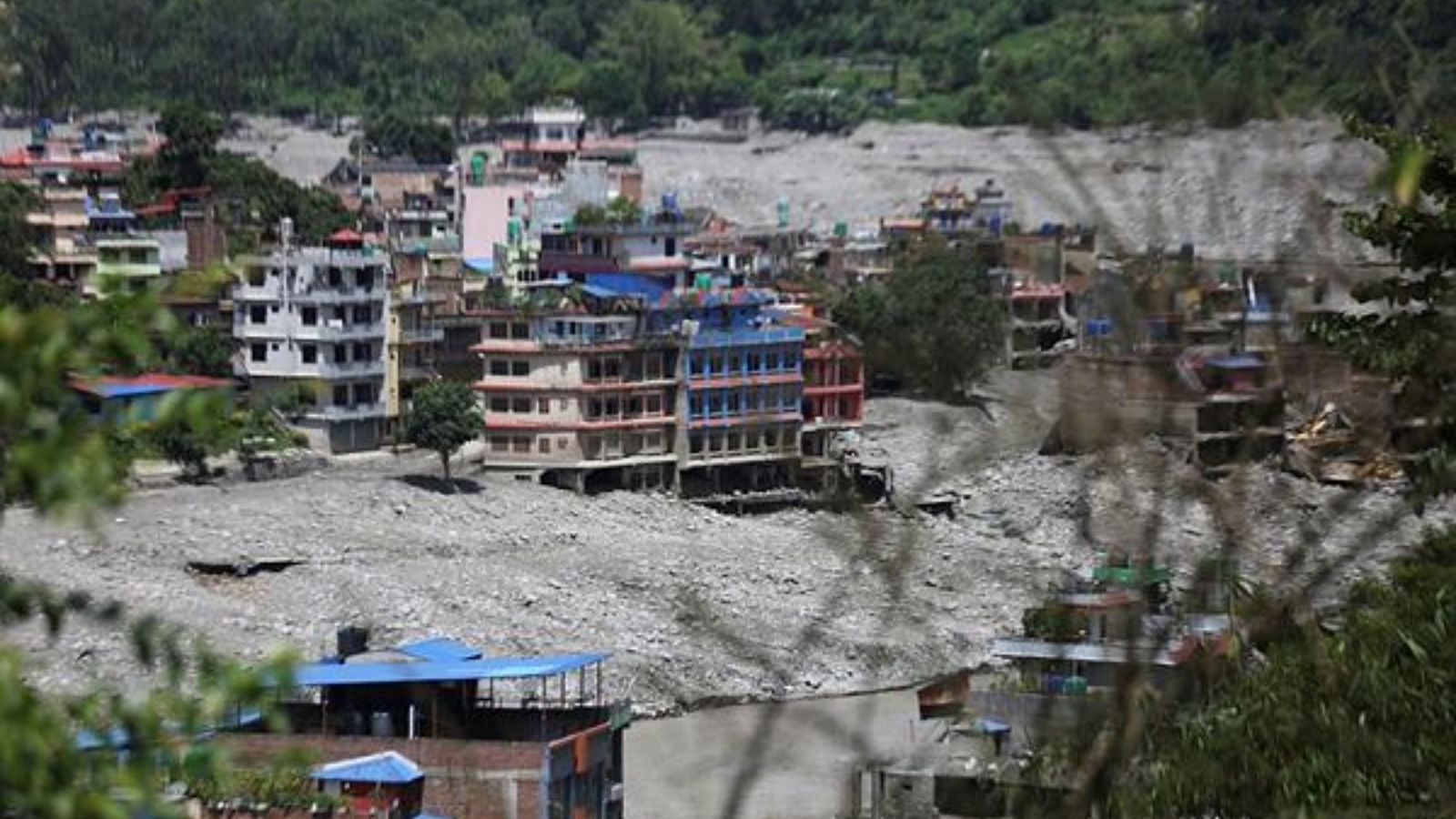
Floods damaged several power projects in Nepal.
This made it harder for Nepal to produce enough electricity on its own.
Nepal asked India to begin supplying electricity earlier than usual.
India approved up to 654 megawatts of power each day from September 13 through December 31, 2026.
The electricity can be sent from midnight until 6 p.m., for up to 18 hours.
Most of it will use one electricity connection, with the rest using another.
The daytime schedule helps India use power that is more available when solar panels are producing electricity.
India has less spare power at night because solar generation stops and demand is high.
Reports also gave different estimates of the flood damage and its effect on Nepal’s electricity supply.
India has separately sent relief supplies and experts to help Nepal’s recovery.

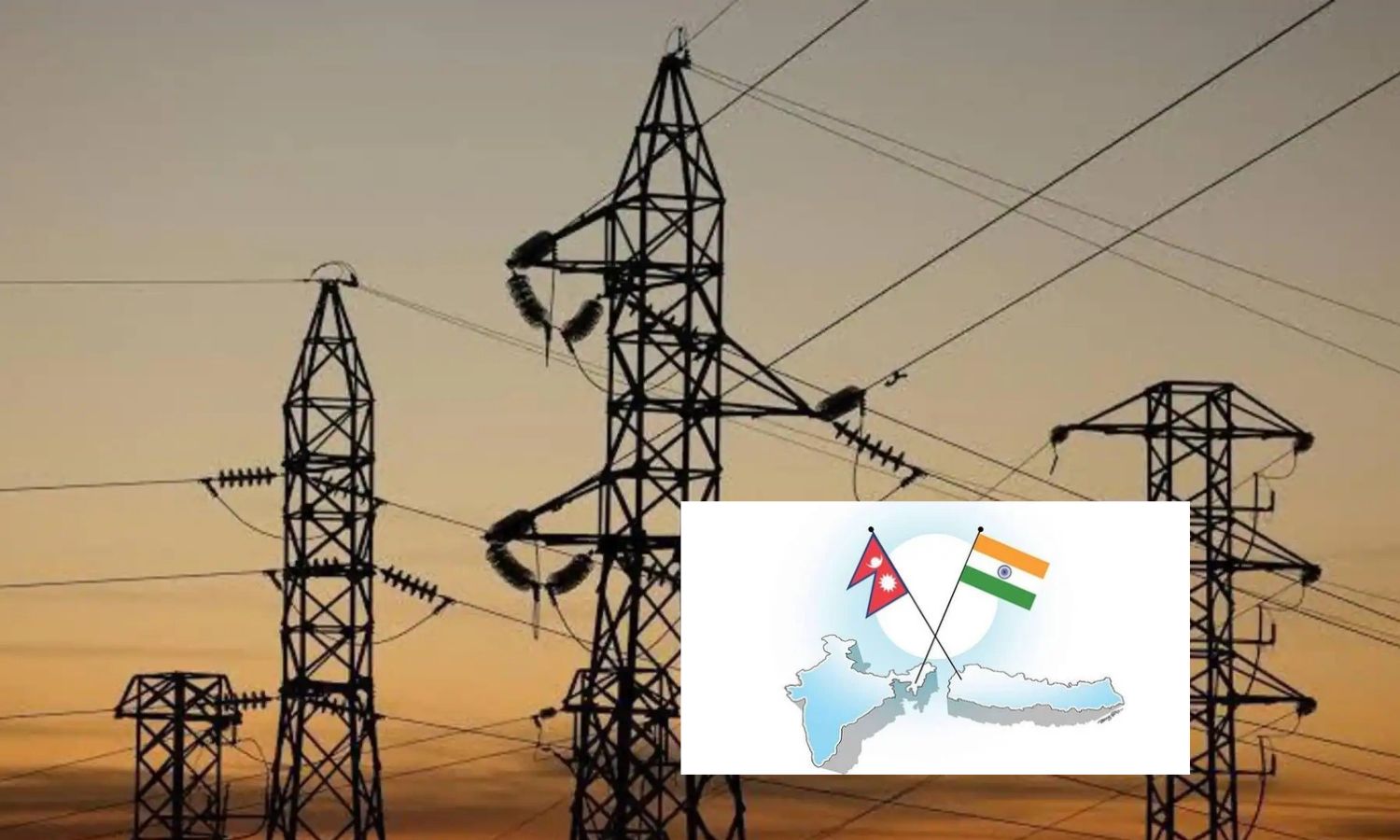
India approved up to 654 MW of electricity exports to Nepal from September 13 through December 31, 2026.
The Nepal Electricity Authority can receive power for 18 hours daily, from midnight to 6 p.m.
Up to 600 MW will travel through the Muzaffarpur-Dhalkebar line and 54 MW through the Tanakpur-Mahendranagar line.
Flash floods damaged Nepal’s hydropower infrastructure, with reports estimating either about 275 MW of disrupted supply or roughly 550 MW of lost generation capacity.
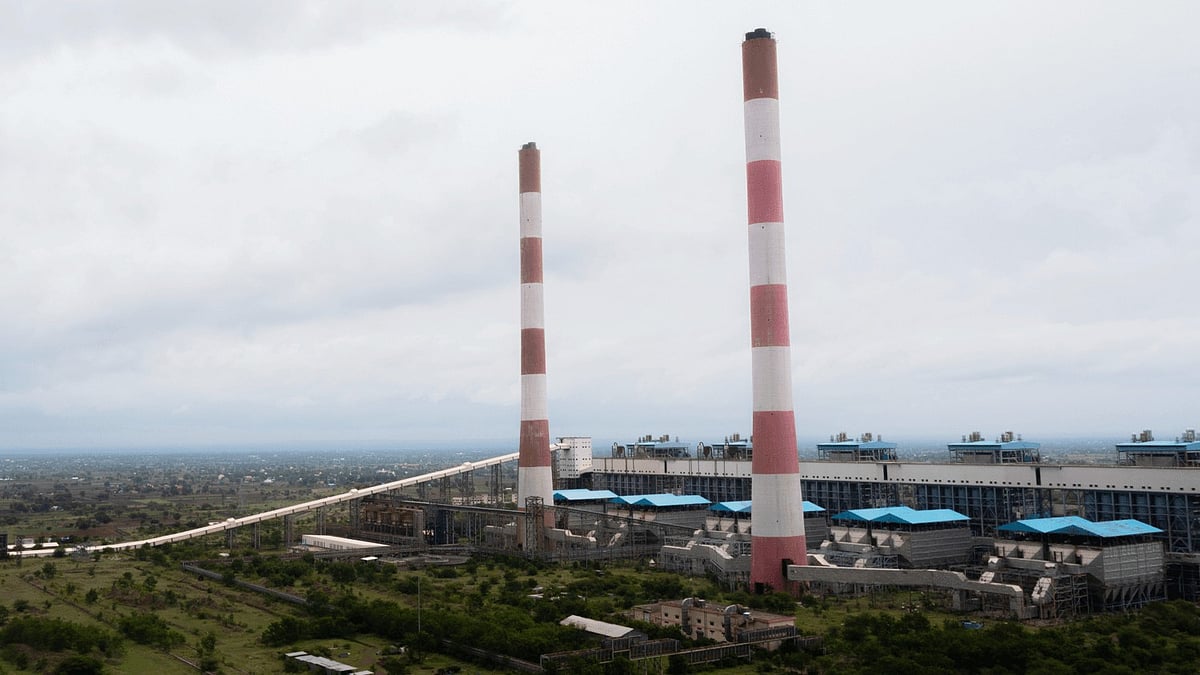
India’s daytime export schedule reflects stronger solar-era availability, while domestic power conditions are tighter during evening and nighttime hours.
- Who
- The Government of India, through its Ministry of Power, and the Nepal Electricity Authority.
- What
- India approved up to 654 MW of electricity exports to Nepal for up to 18 hours a day.
- When
- The approval covers September 13 through December 31, 2026; exports from January 2027 will be reviewed in December 2026.
- Where
- Power will be transmitted through the Muzaffarpur-Dhalkebar and Tanakpur-Mahendranagar cross-border lines.
- Why
- Flash floods damaged Nepal’s hydropower infrastructure, reducing domestic generation and creating an additional need for electricity.
Support for Nepal’s Emergency Electricity Supply
Concerns About India’s Domestic Power Availability
Timing of exports
Support for Nepal’s Emergency Electricity Supply
Sending power from midnight to 6 p.m. helps Nepal address its generation shortfall and uses hours when India generally has stronger availability, including solar generation.
Concerns About India’s Domestic Power Availability
India faces tighter supply conditions after solar generation declines in the evening and at night; reported nighttime shortfalls reached about 7.7 GW on September 9 and 6.1 GW on September 10.
Early import request
Support for Nepal’s Emergency Electricity Supply
Nepal requested electricity earlier than usual because floods damaged power-generation infrastructure and reduced domestic capacity.
Concerns About India’s Domestic Power Availability
India was also experiencing unusually high September demand, including peak demand of 269 GW on September 10, increasing pressure on domestic supplies.
- Approved export capacity
- Up to 654 MW
- Daily supply window
- 00:00 to 18:00, or up to 18 hours per day
- Approval period
- September 13 to December 31, 2026
- Transmission routes
- Up to 600 MW through the Muzaffarpur-Dhalkebar 400 kV line and up to 54 MW through the Tanakpur-Mahendranagar 132 kV line
- Reported generation impact
- Reports cite either about 275 MW of disrupted supply or about 550 MW of reduced domestic generation capacity
- Reported infrastructure damage
- Reports variously cite seven operating hydropower projects and five solar plants, or 13 hydropower plants and one solar plant
- Reported flood toll
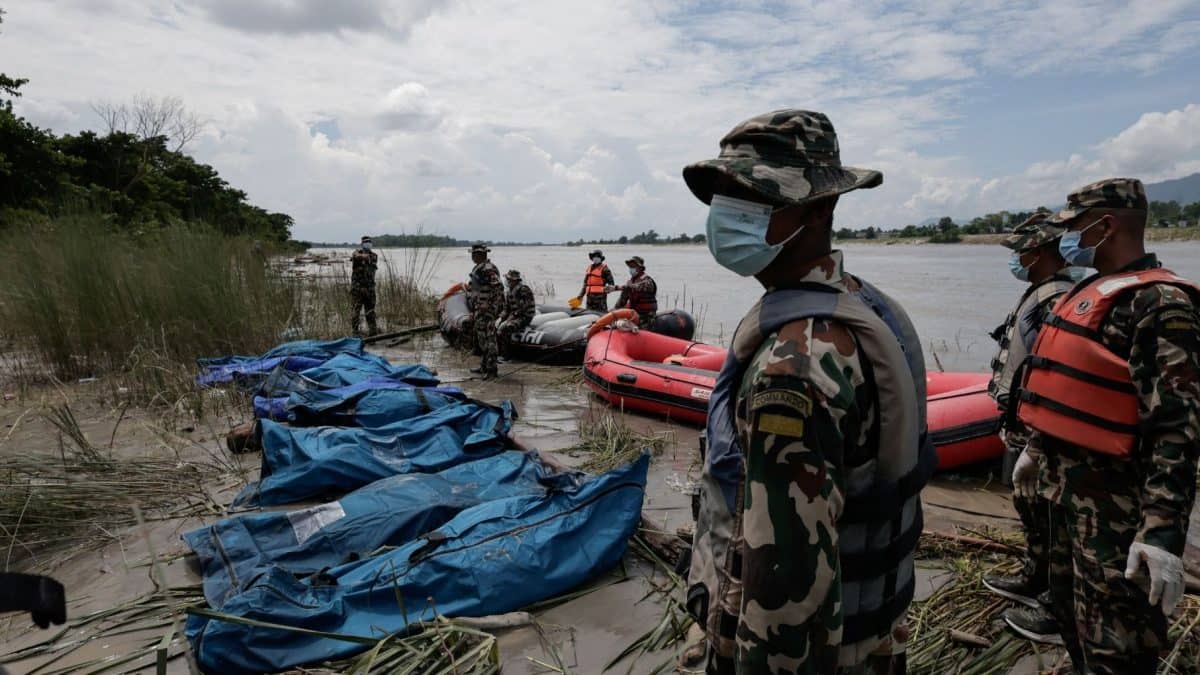
- Nepal’s September 11 update reported 1,385 deaths and 5,130 missing people
Sources
India approves 18-hour power supply as Nepal floods death toll crosses 1,300
India Approves Electricity Supply To Nepal After Flash Flood Damages Power Projects
India Approves Up To 654 MW Power Export To Nepal After Floods Damage Hydropower Infrastructure