

Archive · 23 Jan 2026
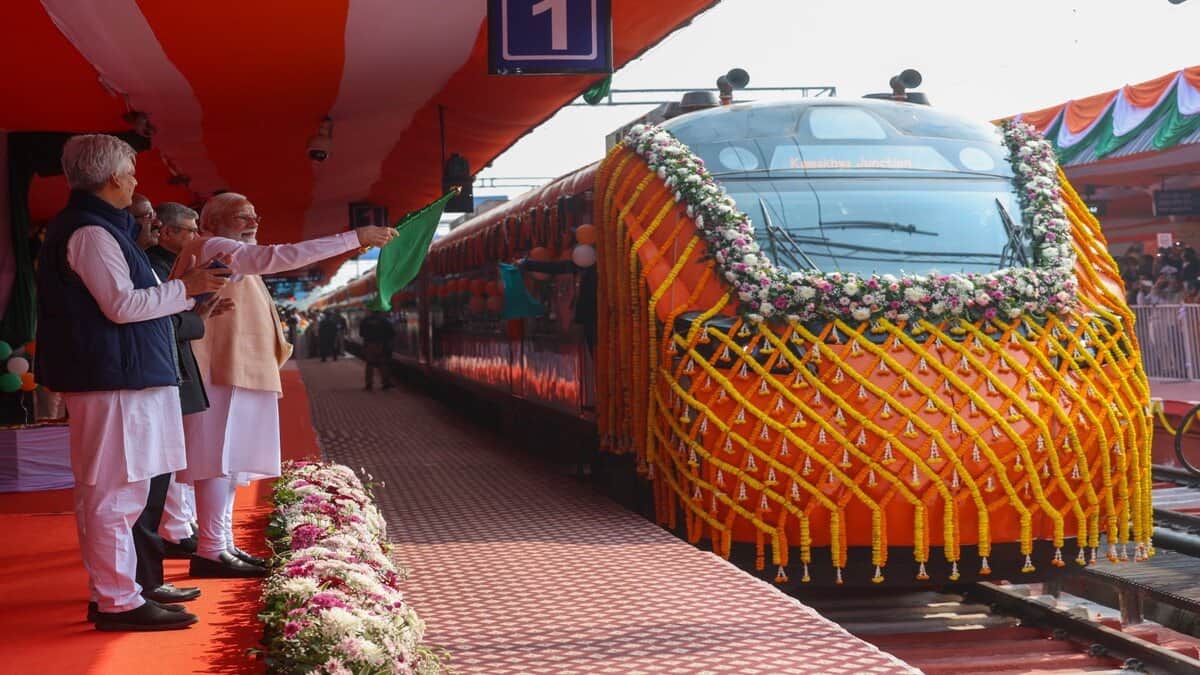
Vande Bharat Sleeper Train Debuts
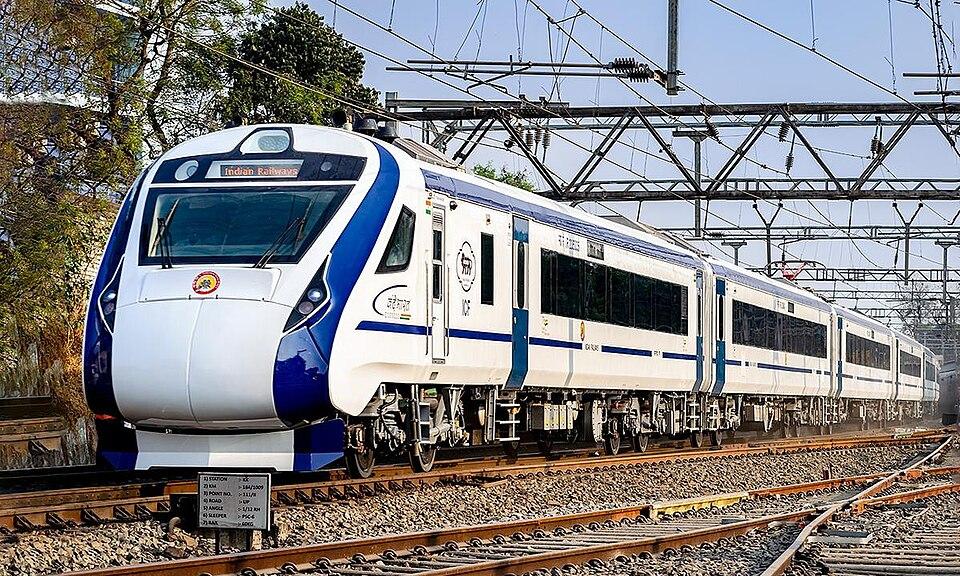
India's first Vande Bharat Sleeper train started running on January 22, 2026.
It goes from Kamakhya in Assam to Howrah in West Bengal and takes 14 hours.
The train has 16 coaches with three classes: Third AC, Second AC, and First AC.
Passengers get free water, newspapers, and meals.
They must follow rules about tickets, luggage, and cancellations.
Only people with confirmed tickets can board.
The train aims to make long trips more comfortable with better facilities.

India's first Vande Bharat Sleeper train began service on January 22, 2026, connecting Kamakhya and Howrah.
The train offers three classes (Third AC, Second AC, First AC) with 16 coaches and takes 14 hours.
Passengers receive free water, newspapers, and meals, with a menu featuring Bengali and Assamese dishes.
Only confirmed ticket holders can board; RAC, waitlisted, or partially confirmed tickets are not allowed.
Luggage limits range from 40 kg to 70 kg depending on the travel class, with cancellation fees varying by timing.
- Who
- Indian Railways and passengers
- What
- Launch of India's first Vande Bharat Sleeper train
- When
- January 22, 2026
- Where
- Kamakhya to Howrah route
- Why
- To provide faster, more comfortable overnight travel
- Route
- Kamakhya to Howrah
- Departure Time
- 6:15 PM
- Arrival Time
- 8:15 AM (next day)
- Travel Duration
- 14 hours
- Coaches
- 16
- Classes
- Third AC, Second AC, First AC
- Luggage Limits
- 40-70 kg (varies by class)
- Cancellation Fees
- 25% (72+ hours), 50% (8-72 hours), 0% (<8 hours)
Sources
100% Occupancy Prompts Demand for Vande Bharat on Hyd-Mumbai Route
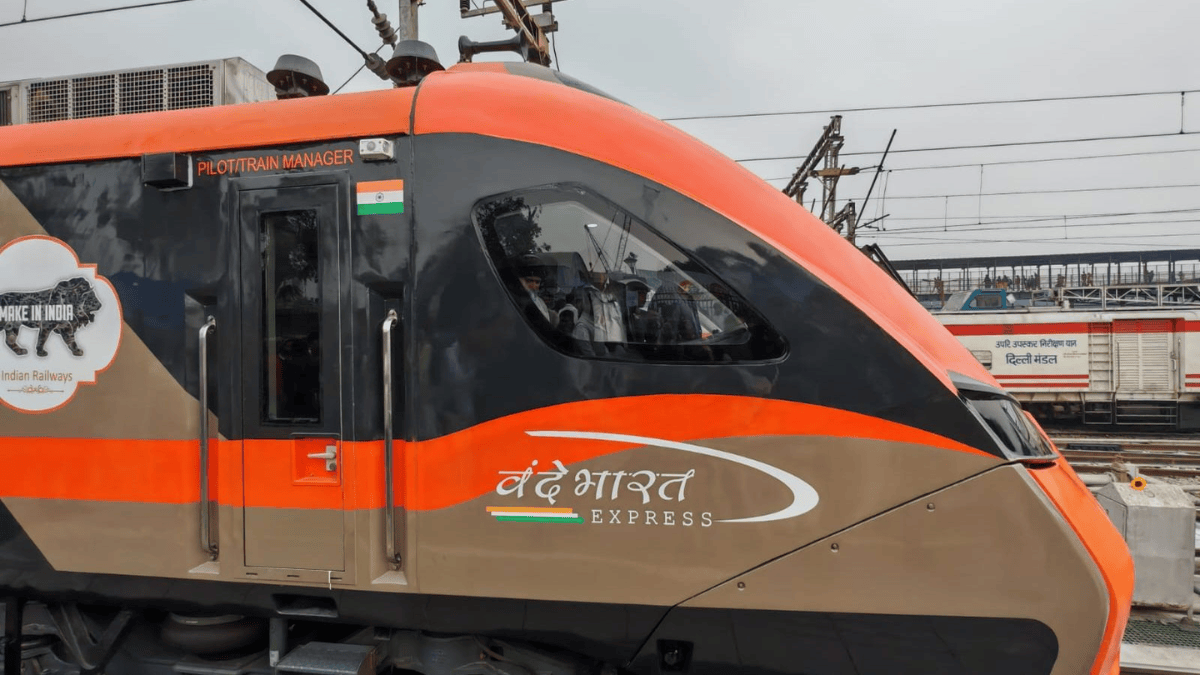
A new dawn for Indian Railways: 1st Vande Bharat Sleeper train begins commercial run today
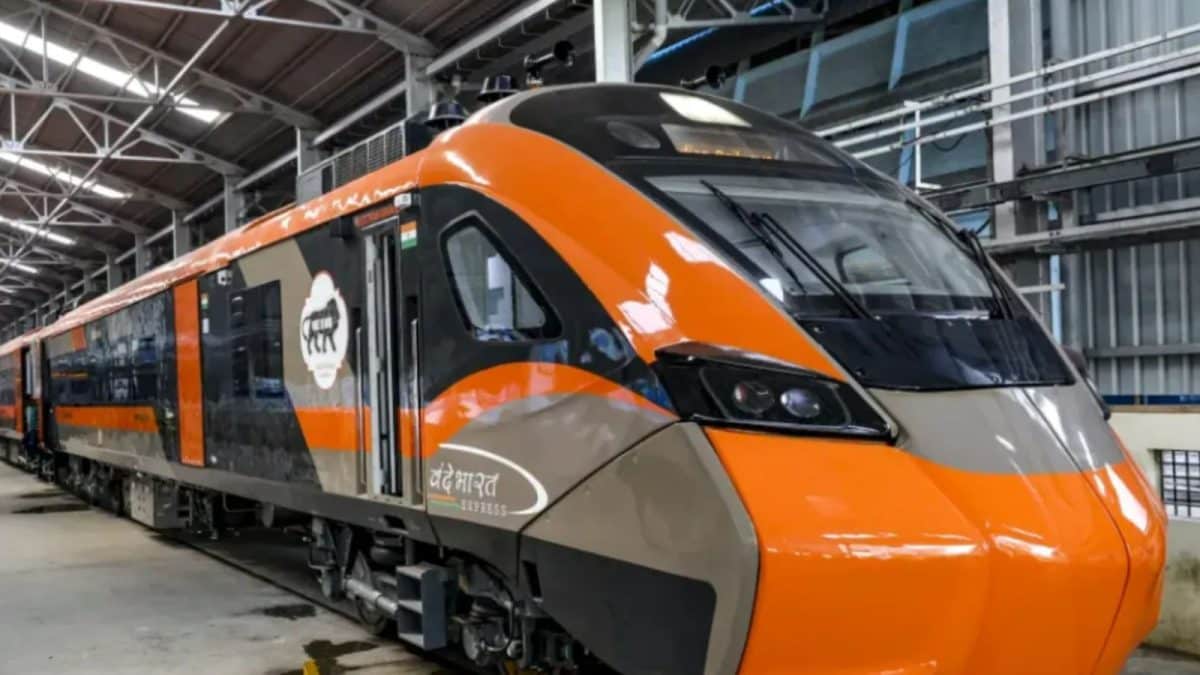
India’s First Vande Bharat Sleeper Begins Service: 5 Key Rules Every Passenger Must Keep In Mind
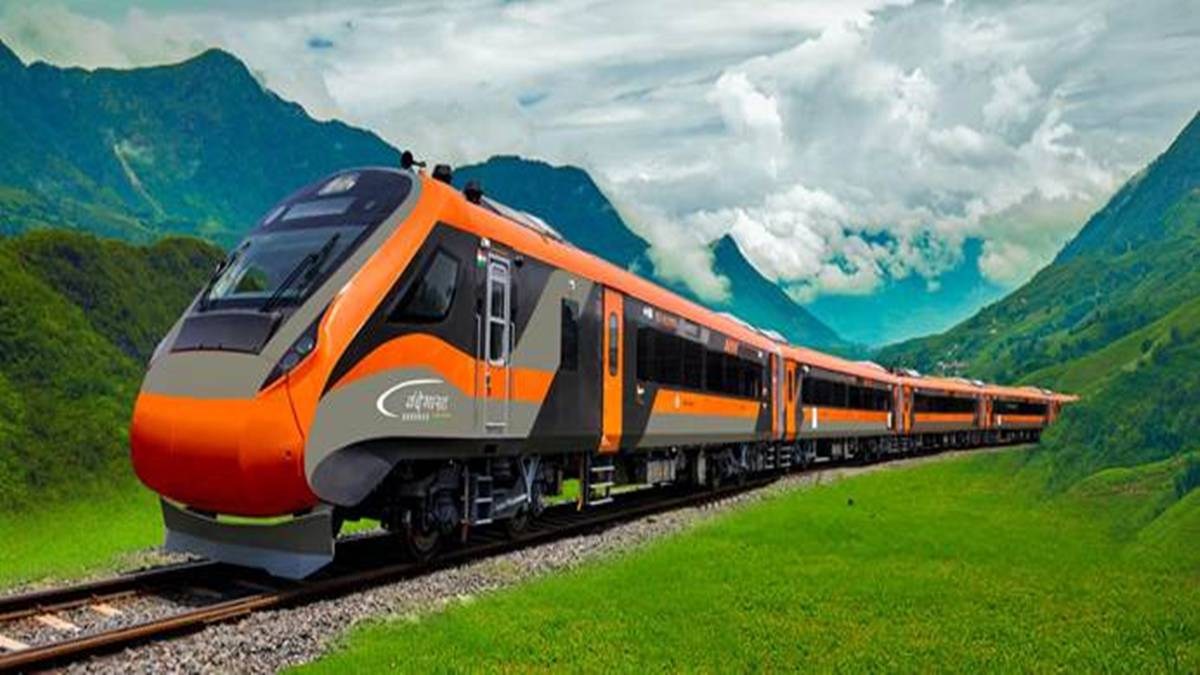
Vande Bharat Sleeper: Catering services, luggage and ticket cancellation rules – All you need to know
Can Vande Bharat be a model for the world? India’s bet on affordable modern rail

Western Railway Announces Temporary Changes In Terminal And Coach Composition Of 2 Key Trains
