Archive · 31 Dec 2025
Global New Year Traditions
New Year's Eve is celebrated with unique traditions around the world.
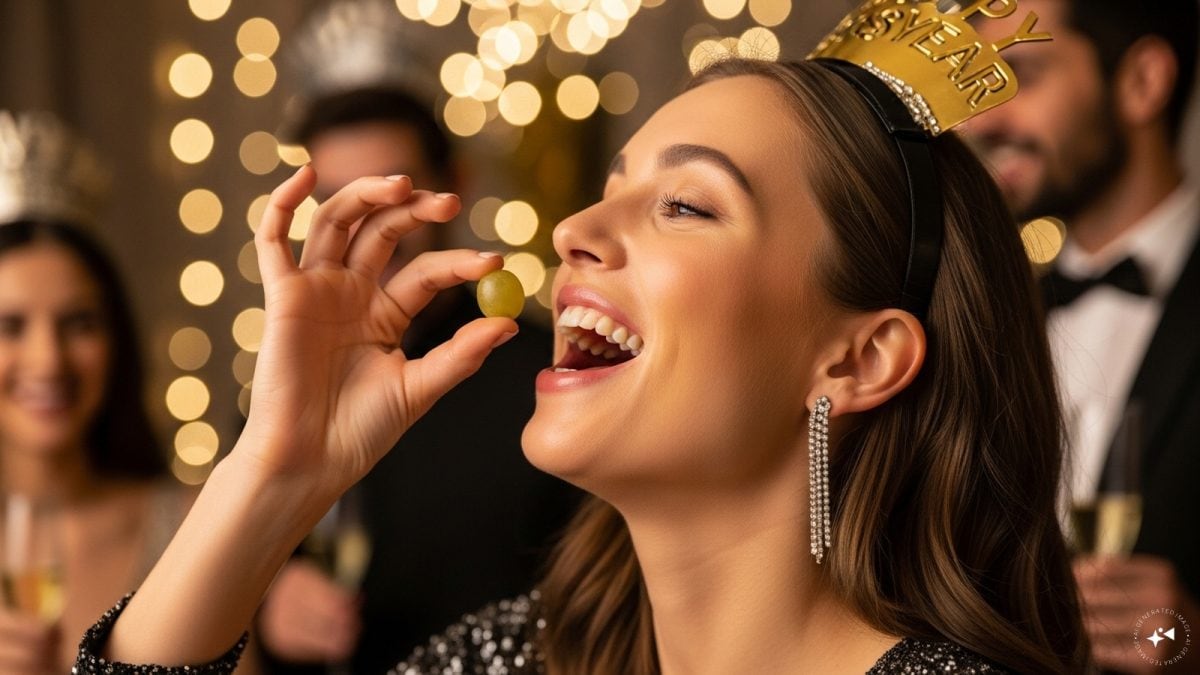
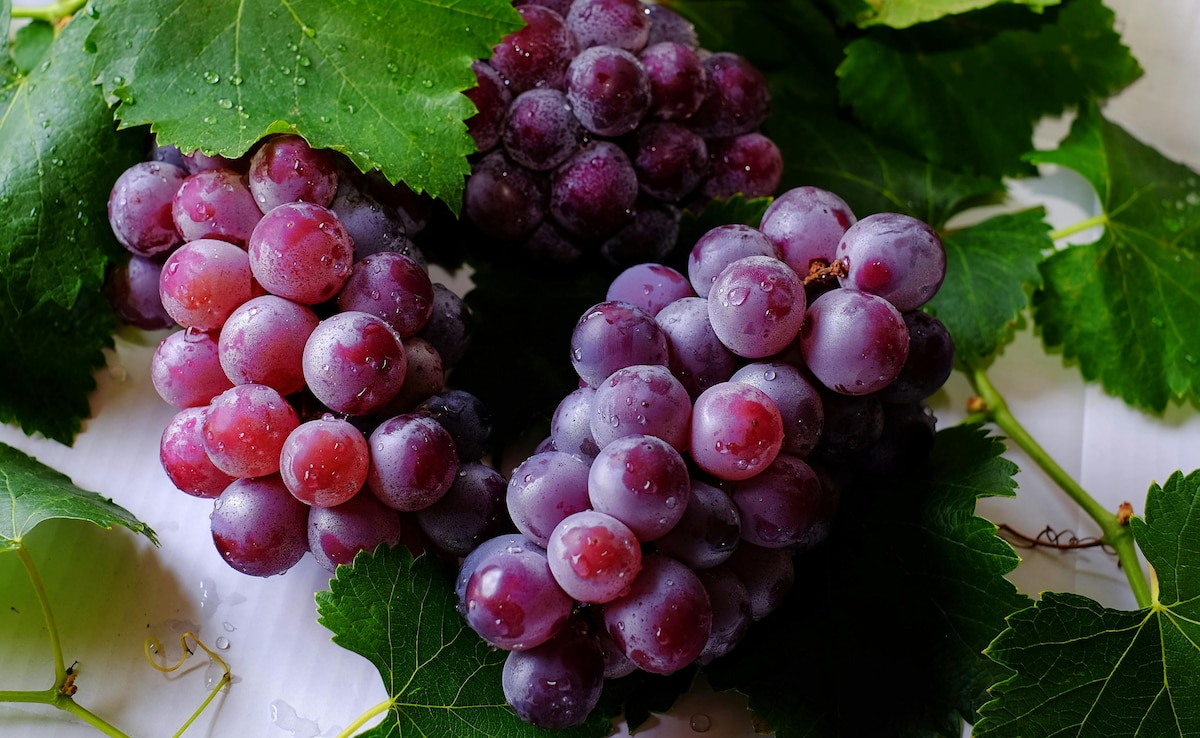
In Spain, people eat 12 grapes at midnight, each representing good luck for a month of the new year.
In Ireland, some bang bread against doors to keep away bad spirits.
Italians eat lentils, which look like coins, to bring wealth.
In the Philippines, wearing polka dots and using round shapes is believed to attract good fortune.
Japanese temples ring bells 108 times to cleanse the soul.
In Russia, people burn wishes and mix the ashes into champagne.
In Chile, families visit cemeteries to remember loved ones.
These traditions show how different cultures welcome the new year with hope and celebration.

In Spain, people eat 12 grapes at midnight on New Year's Eve, each grape symbolizing good luck for a month of the new year.
In Ireland, a lesser-known custom involves banging loaves of bread against doors and walls to ward off bad spirits and invite prosperity.
In Italy, lentils are eaten to bring wealth and abundance, as they resemble coins.
In the Philippines, people wear polka-dotted clothing and use round shapes to attract wealth and good luck.
In Japan, temple bells are rung 108 times to symbolize purification and the release of human desires.
- Who
- People around the world, particularly in Spain, Ireland, Italy, Philippines, Japan, Russia, and Chile
- What
- Various New Year traditions
- When
- New Year's Eve, at midnight
- Where
- Spain, Ireland, Italy, Philippines, Japan, Russia, and Chile
- Why
- To mark fresh beginnings, ward off bad spirits, invite prosperity, attract wealth and good luck, symbolise purification, and remember deceased loved ones
- Tradition Name
- 12 Grapes
- Origin
- Spain, early 1900s
- Significance
- Eating one grape for each month to manifest goals for the coming year
- Popularity in India
- Urban population orders grapes to usher in the New Year
- Grapes Delivery Increase
- Seven times more grapes delivered on New Year's Eve compared to regular days
- Tradition Name
- Banging bread
- Origin
- Ireland
- Significance
- Ward off bad spirits and invite prosperity into the home
- Tradition Name
- Lentils and Abundance
- Origin
- Italy
- Significance
- Lentils resemble coins and are associated with wealth and abundance
- Tradition Name
- Polka dots
- Origin
- Philippines
- Significance
- Wear polka-dotted clothing, fill homes with round fruits and decorate tables with circular shapes to attract wealth and good luck
- Tradition Name
- Joya No Kane
- Origin
- Japan
- Significance
- Bells are struck 108 times, a number linked to Buddhist teachings about human desires. The ritual symbolises purification and the release of traits before the New Year begins.
- Tradition Name
- Burnt paper
- Origin
- Russia
- Significance
- Writing a wish on paper, burning it and mixing the ashes into a glass of champagne, which is then consumed before midnight. The act reflects a deeply personal hope for transformation.
- Tradition Name
- Cemetery visits
- Origin
- Chile
- Significance
- Families visit cemeteries at night to spend time with deceased loved ones, often accompanies by music and candlelight. The tradition reflects a belief that the New Year should begin the presence of both the living and the dead.