

2 weeks ago
Stories our trees tell: why we must listen before cutting
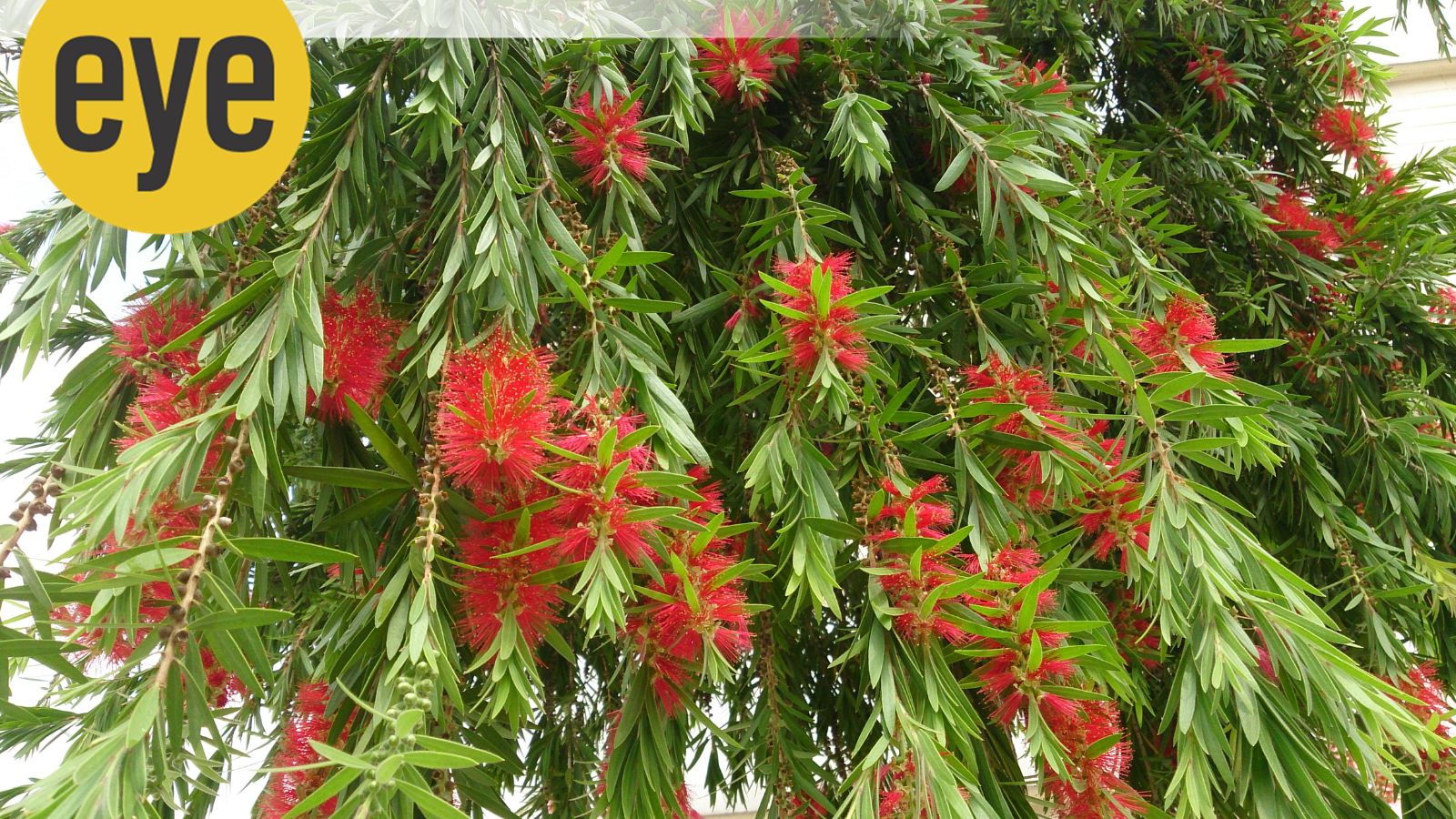
The author has a small garden with eight kinds of trees, and every tree has a story.
One tree, the Australian bottlebrush, was planted by the author's mother more than 40 years ago.
A car once crashed into it and bent it over, but after many years it began blooming with beautiful red flowers.
Another tree, the curry patta, was a tiny, weak seedling that survived dirt and building rubble falling on it.
Today that little tree has a fine canopy of fresh green leaves used in cooking.
The author once planted a mango seed just for fun, and about five years later it is a strong tree giving its first mangoes.
The garden also has kumquat, lime, and guava trees, and the worm-filled guavas are left for the parakeets.
Trees give shelter and food to birds, insects, squirrels, and monkeys, and they even share nutrients underground through fungal networks.
The author thinks people should listen to the stories of trees and protect them instead of cutting them down.
The essay warns that replacing rainforests with oil palm plantations harms many living creatures.

The author's home garden is home to eight species of trees, each with its own story.
The Australian bottlebrush, planted over 40 years ago by the author's mother, recovered after being hit by a car and now blooms with thousands of scarlet flowers in March.
A spindly curry patta sapling survived being buried under construction debris and now has a fine canopy of fresh leaves essential for curries.
A mango tree grown from a casually planted seed stands tall about five years later and has produced its first mangoes.
The essay warns against cutting down trees and replacing rainforests with oil palm monoculture, urging people to listen to and protect trees.
- Who
- The unnamed author of the essay, reflecting on their home garden and its eight tree species.
- What
- A personal essay about the stories and resilience of eight tree species in the author's garden, urging the protection of trees against deforestation.
- Where
- The author's small home garden; the exact location is not stated in the article.
- When
- Not specified; events span from over 40 years ago to the present day.
- Why
- To show that trees support entire communities of living creatures and to argue that they must be listened to and protected rather than cut down.
Conservation of Trees
Development Priority
Trees vs. expressway expansion
Conservation of Trees
Venerable old trees and tree-lined avenues should be protected rather than cut down to widen expressways.
Development Priority
The essay criticizes the stance that expressways must be widened even at the cost of old trees, made possible with chainsaws and JCBs.
Forests vs. oil palm plantations
Conservation of Trees
Rainforests and the communities of creatures that depend on them should be preserved rather than cleared.
Development Priority
The essay criticizes the practice of cutting down rainforests and replacing them with monoculture oil palm plantations.
Key facts
- Tree species in garden
- Eight
- Oldest tree
- Australian bottlebrush, planted by the author's mother over 40 years ago
- Bottlebrush bloom
- Thousands of scarlet flowers from the first week of March, lasting around a fortnight
- Curry patta tree
- Survived construction debris; now has a fine canopy of fresh green leaves
- Mango tree
- About five years old; produced its first mangoes
- Kumquat production
- Kumquats by the hundred
- Fish-tailed palm
- Lived for over 30 years before dying
- Papaya attempts
- Failed multiple times; trees shoot up to 6-7 feet and then give up
Sources
Related news

Jadav Payeng Turns a Barren Sandbar Into Forest

Retired Delhi Commissioner Grows 1,000 Plants at Home

Tribal Women Tie Sacred Rakhis to Trees in Jamshedpur

The Hidden Life of Trees: Where Wonder Meets Forest Science
Peepul Tree Remembers the 1857 Battle at Sikandar Bagh
Bhiwandi JCB Operator Assault Spurs Warehouse Work Dispute Investigation

TCS Engineer Killed by Reversing JCB During Gurugram Roadwork

Dombivli Land Dispute Escalates After JCB Confrontation

Stolen JCB Breaks Police Barricades During Odisha Chase

FIIs and DIIs Chase Two Premium Auto-Component Stocks
