

Archive · 19 Jun 2025
Air India Crash: Forensic Workers Experience Trauma and Burnout
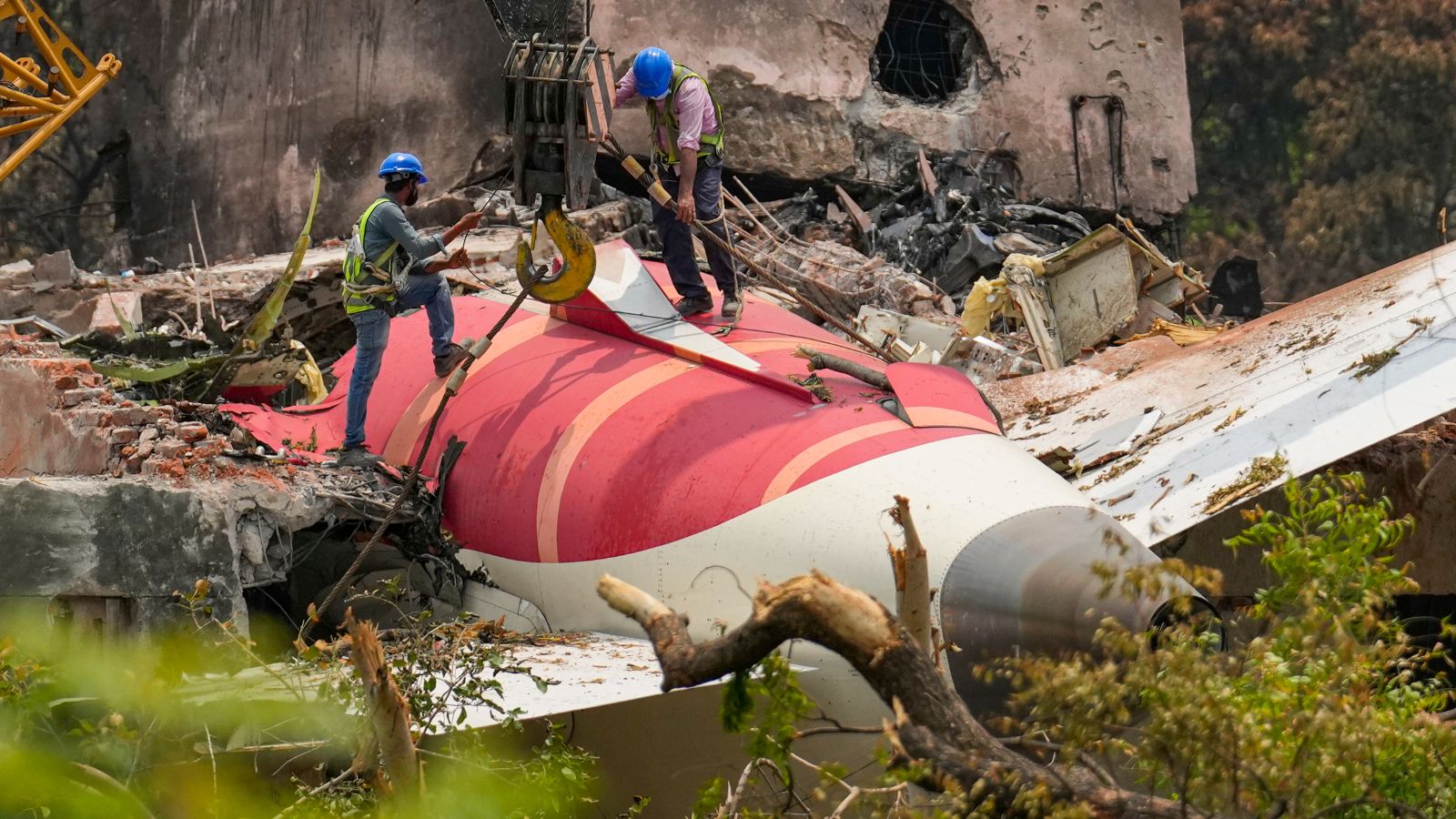
When disasters happen, like the Air India plane crash, people have to work to identify the victims.
This is very hard work for the people who do it, like doctors and scientists.
They have to look at the remains of the people who died and try to figure out who they were.
This can be very sad and difficult to deal with.
The people doing this work can start to feel very sad, tired, and stressed.
This is called secondary trauma.
It's like they are getting hurt by seeing what happened, even though they weren't directly involved.
To help, experts suggest providing mental health support and places to talk.

Forensic teams in Ahmedabad are working to process remains from the Air India flight 171 crash.
Experts say that handling fire-damaged human remains takes a significant emotional toll on healthcare and forensic staff.
DNA matching in such cases is a lengthy and complex process, with over 200 samples collected for identification.
Mental health experts note the emotional weight of this work is immense and rarely acknowledged.
Experts suggest mandatory psychological first-aid, safe spaces, and trauma-informed therapists for staff.
- Who
- Forensic teams, healthcare workers, and mental health experts.
- What
- Forensic workers are experiencing emotional and physical exhaustion from handling remains of the Air India flight 171 crash victims.
- When
- Published June 19, 2025.
- Where
- Ahmedabad, Delhi, and Bengaluru.
- Why
- The emotional toll is high, but often unacknowledged; support systems are needed to help those involved in such difficult work.
Need for Support
Insufficient Support
Mental Health Support
Need for Support
Experts emphasize the need for mental health support and psychological first-aid for forensic and healthcare workers dealing with traumatic events.
Insufficient Support
There is a lack of consistent mental health support systems in place.
- Event
- Air India Flight 171 crash
- Location of forensic work
- Asarwa, Ahmedabad
- Type of trauma
- Secondary trauma
- Possible symptoms
- Burnout, insomnia, anxiety, PTSD, and depression
- Recommended support
- Psychological first-aid, safe spaces, and trauma-informed therapists
- Helpline
- Tele-MANAS