Archive · 14 Jan 2026
Delhi Faces Water Contamination and Waterlogging Issues
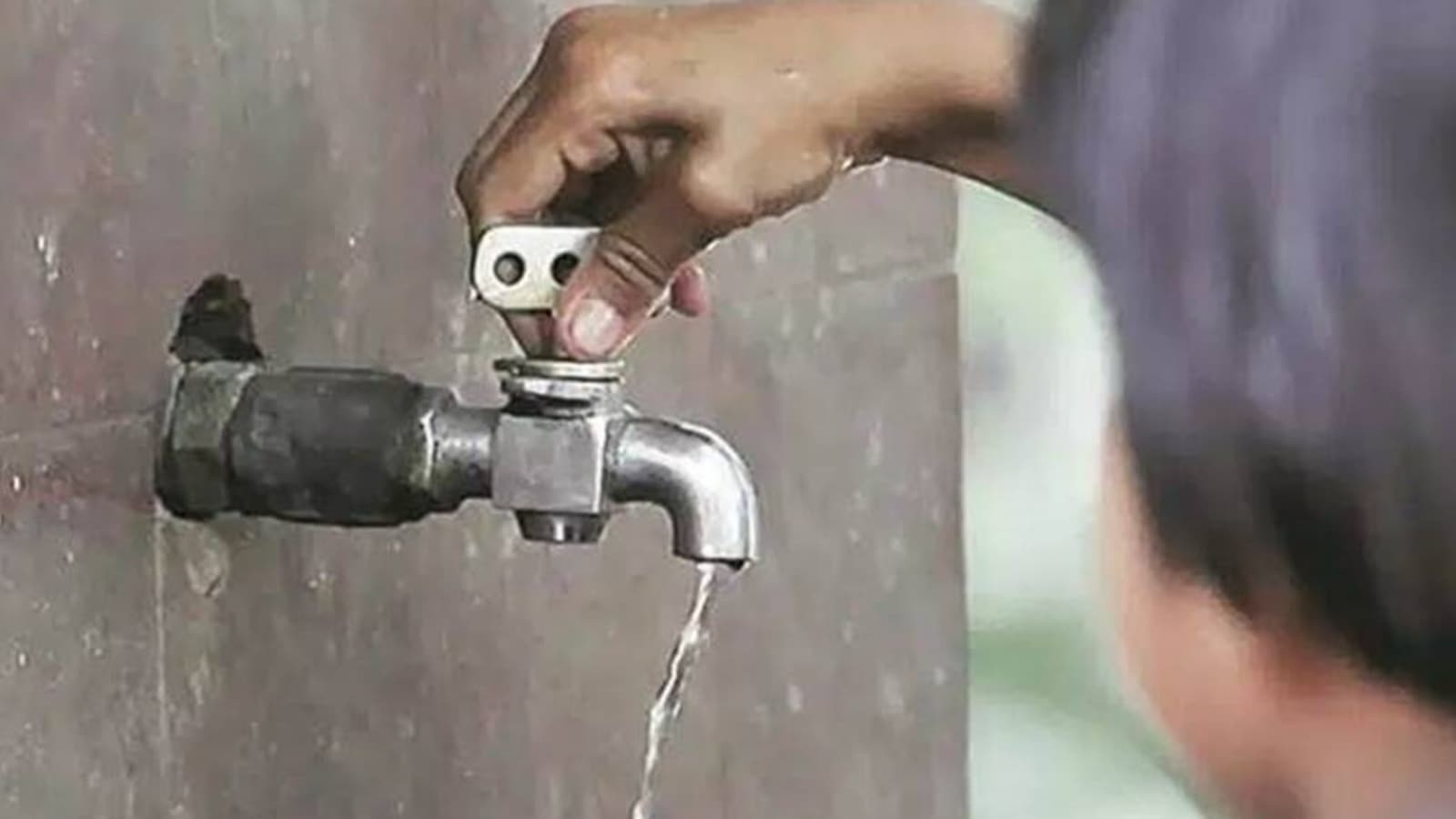
Delhi has received 45,000 complaints about dirty or smelly water in the last nine months.
Most complaints came from the Trans-Yamuna area.
The Delhi Jal Board (DJB) has fixed most of these problems.
They are also checking and fixing old water pipes to stop more contamination.
Meanwhile, a study found that some areas in Delhi are flooding because the water table is rising.
This is due to strict rules on using groundwater and more rain than usual.
The study suggests fixing old wells and making better systems to collect rainwater to help with the flooding.

Delhi received 45,000 water contamination complaints in 9 months, with the most from Trans-Yamuna.
DJB resolved 98.7% of complaints and is replacing old pipelines to prevent future issues.
Aging infrastructure and illegal connections are major causes of water contamination.
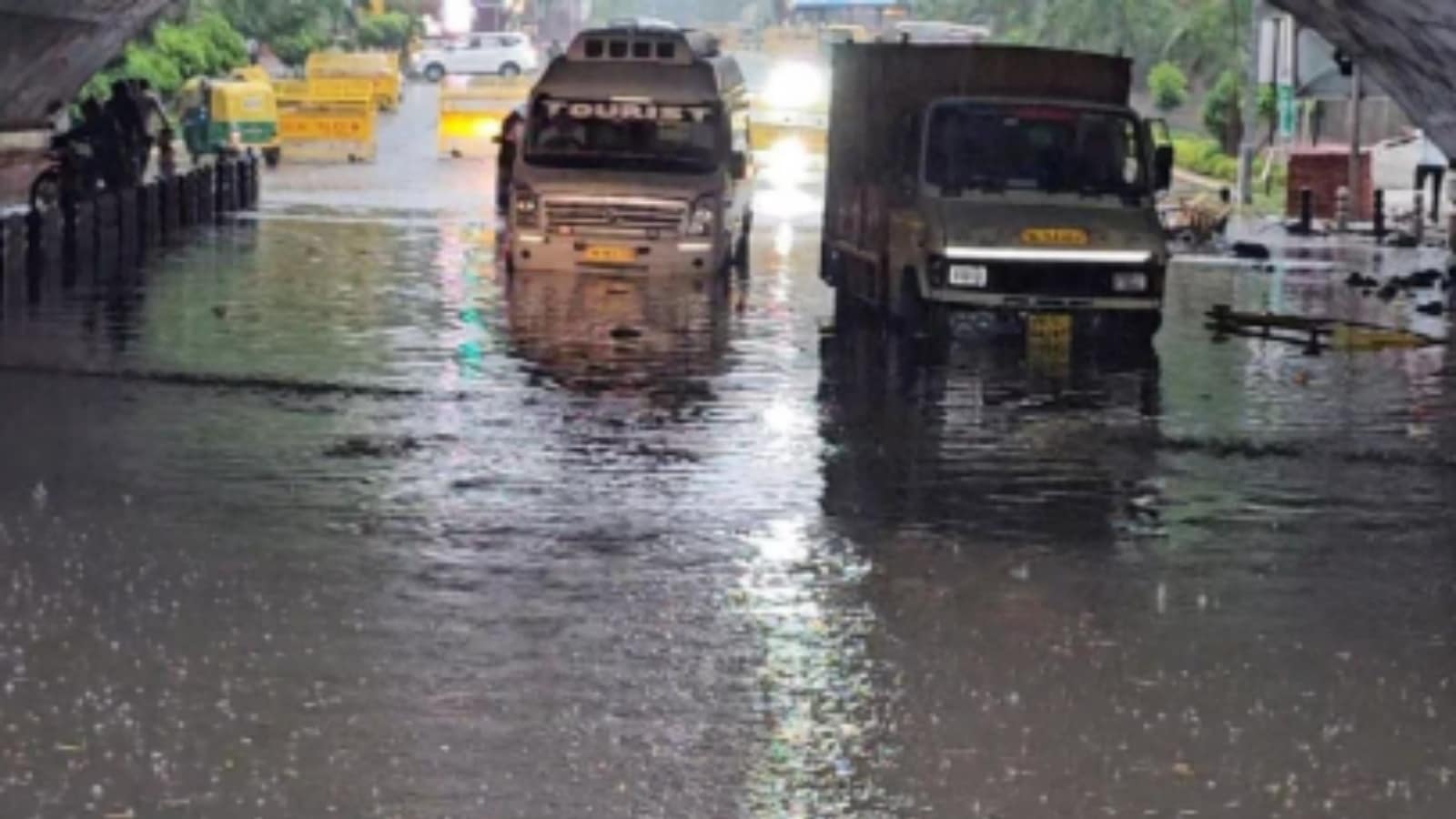
NDMC identified 37 waterlogging hotspots and suggests reviving old wells and improving rainwater systems.
Lodhi Garden has the shallowest water level, making it a high-risk area for waterlogging.
- Who
- Delhi Jal Board (DJB) and Central Ground Water Board (CGWB)
- What
- Water contamination complaints and waterlogging issues in Delhi
- When
- April 1 to December 31, 2023 and ongoing
- Where
- Delhi, particularly Trans-Yamuna and NDMC areas
- Why
- Aging infrastructure, illegal connections, and high rainfall
- Total Complaints
- 45,000
- Highest Complaints Area
- Trans-Yamuna (9,308)
- Complaint Resolution Rate
- 98.7%
- Old Pipelines
- 50% of Delhi's pipelines are 20-30 years old
- Waterlogging Hotspots
- 37 identified by NDMC
- Shallowest Water Level
- Lodhi Garden (3.53 meters)
- Rainfall
- Above normal (611.8 mm) between 2018-2024