

Archive · 27 Jul 2026
Nilekani's Team Tackles Exam Leaks with Global Models
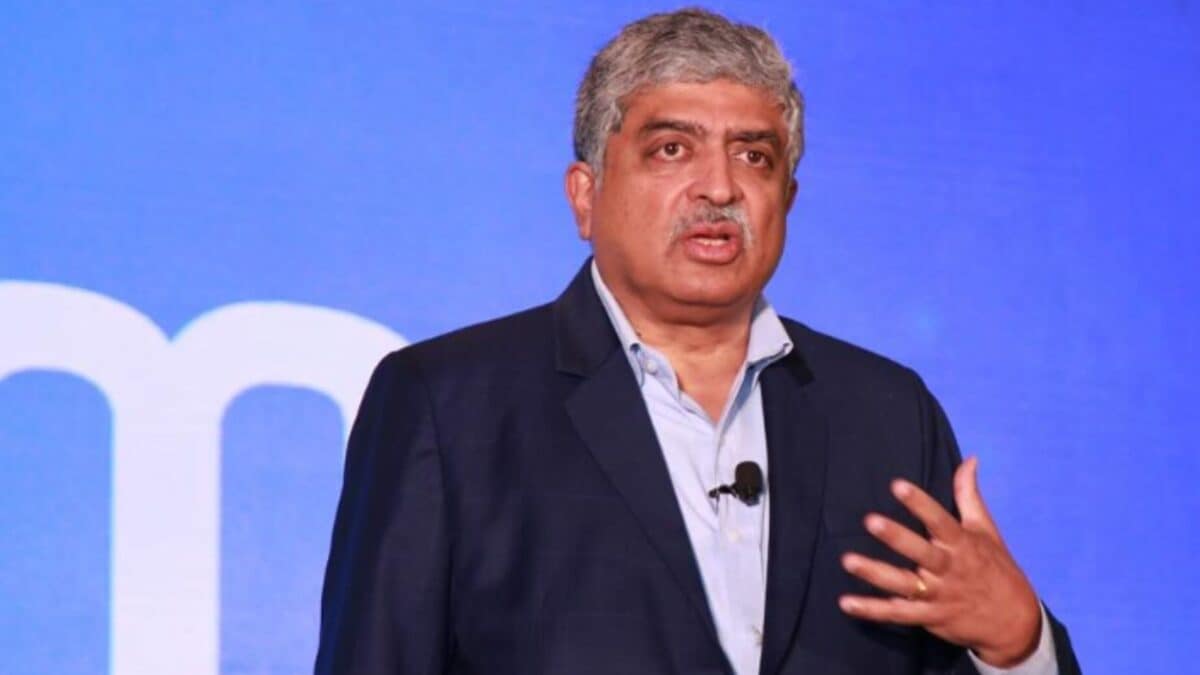
India is facing a big problem with exam leaks, and the government has formed a special team led by Nandan Nilekani to fix it.
This team includes experts from different fields like digital technology, space, and education.
They are looking at how other countries like China, South Korea, Singapore, and the US handle their exams to prevent leaks.
These countries use strict security measures, advanced technology, and strong laws to keep their exams safe.
The team in India wants to create a system that is even better.
Some people think India can do this by using its own digital systems like Aadhar and UPI, while others are not sure if these systems will work for exams.
The team is studying the best practices from around the world to make sure Indian exams are fair and secure.

PM Narendra Modi appointed a high-powered task force led by Nandan Nilekani to address exam leaks in India.
The task force includes experts from digital technology, space, education, and logistics.
The team is studying global models from China, South Korea, Singapore, and the US for exam security.
China's Gaokao model uses strict isolation, advanced biometrics, and AI surveillance to prevent leaks.
The US relies on digital delivery and biometric verification for secure exams.
- Who
- Nandan Nilekani and a high-powered task force appointed by PM Narendra Modi.
- What
- A task force to develop a robust system to prevent exam leaks in India.
- When
- July 27, 2026.
- Where
- India.
- Why
- To address student protests against repeated exam leaks and ensure exam integrity.
Optimistic View
Skeptical View
Effectiveness of Digital Infrastructure
Optimistic View
India's digital public infrastructure (DPI) like Aadhar and UPI can be leveraged to create a robust exam system.
Skeptical View
The effectiveness of DPI in exam security is unproven and may not guarantee leak-proof exams.
Comparison with Global Models
Optimistic View
India can adopt and improve upon the best practices from China, South Korea, Singapore, and the US to create a superior model.
Skeptical View
The cultural and infrastructural differences make it difficult to replicate the success of these models in India.
- Task Force Members
- Nandan Nilekani, S Somnath, Tapan Deka, V Kamakoti, Anita Karwal, Amrit Lal Meena
- China's Gaokao Model
- Handles 13 million candidates annually with rare mass leaks.
- South Korea's Suneung Model
- Over 10,000 police officers secure the process.
- Singapore's SEAB Framework
- Near-zero leak rates with tamper-evident holographic seals.
- US Model
- Uses digital delivery and biometric verification for MCAT.