Archive · 9 Nov 2025
Delhi Doctors Perform Asia's First Post-Death Organ Revival
Imagine a person's body stops working, like their heart stops beating.
Usually, we can't use their organs for someone else after this.
But doctors in Delhi did something amazing!
They used a special machine to start the blood flowing again in the body's tummy area, even though the person had passed away.
This kept the liver and kidneys healthy enough to be given to people who needed them.
It's like giving a special gift of life after someone is gone.
This is the first time this has been done in Asia, and it might help even more people get new organs in the future.

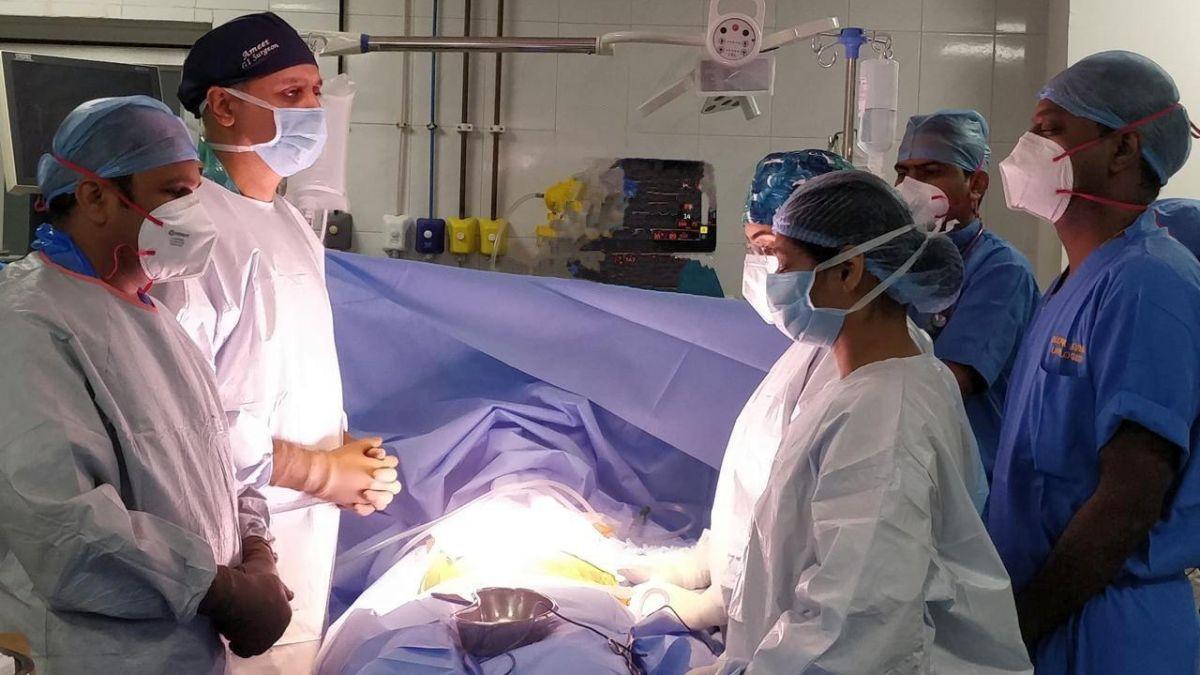
Doctors in Delhi successfully restarted blood circulation in a deceased 55-year-old woman to facilitate organ donation.
This marks the first instance in Asia of using Normothermic Regional Perfusion (NRP) to restart circulation post-mortem for organ retrieval.
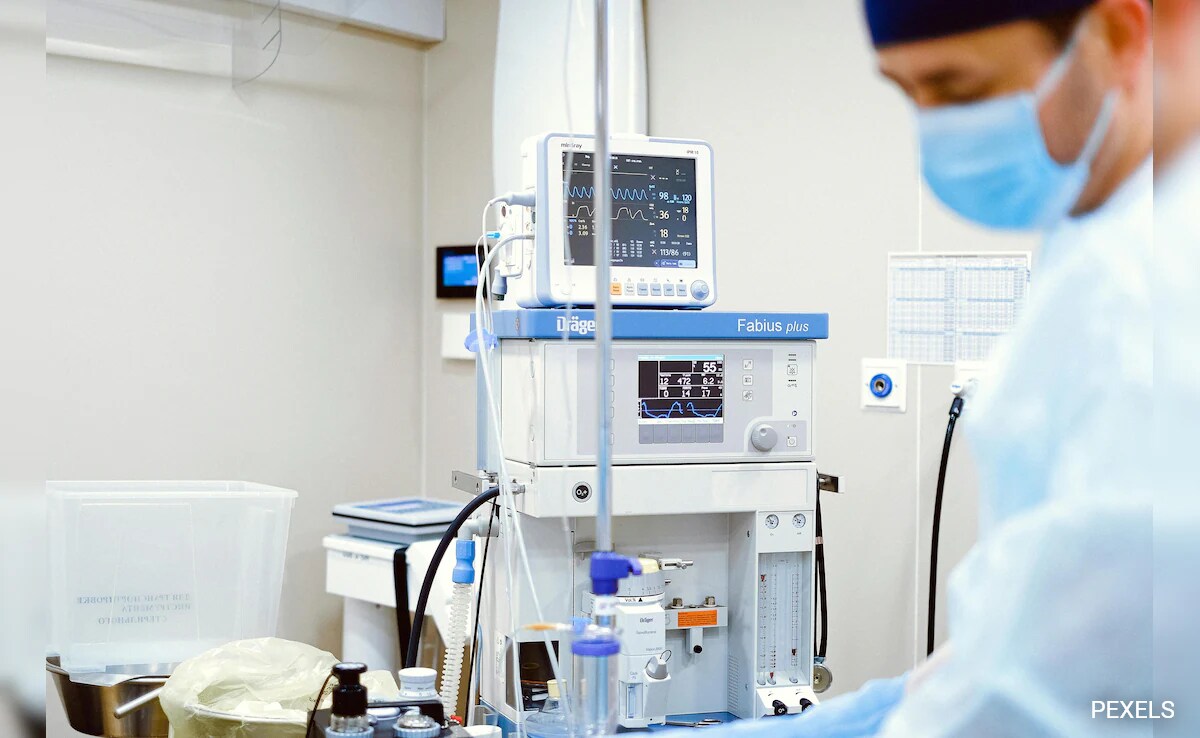
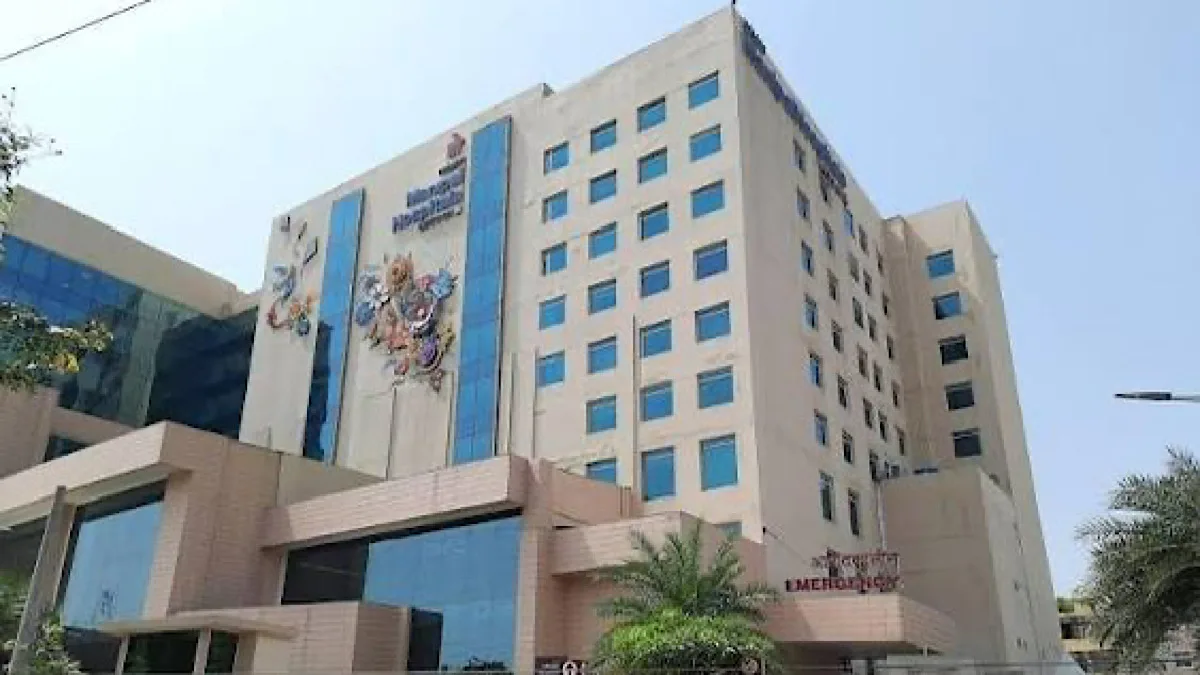
The procedure was performed at HCMCT Manipal Hospital using an Extracorporeal Membrane Oxygenator (ECMO).
The donated liver and kidneys were successfully transplanted into three male recipients at different hospitals in Delhi.
This achievement aims to expand organ donation in India, particularly after circulatory death, beyond the current focus on brain death.
- Who
- Doctors at HCMCT Manipal Hospital in Delhi and the family of the organ donor.
- What
- Successfully restarted a deceased 55-year-old woman's blood circulation post-mortem to preserve and retrieve organs for donation using Normothermic Regional Perfusion (NRP).
- When
- The woman passed away on November 6, and the procedure was performed after her death.
- Where
- HCMCT Manipal Hospital, Dwarka, Delhi.
- Why
- To enable organ donation after circulatory death, honoring the patient's wish and expanding the possibilities for organ transplantation in India.
Significance of NRP Procedure
Challenges and Future Scope
Advancement in Organ Donation
Significance of NRP Procedure
The Normothermic Regional Perfusion (NRP) procedure marks a significant advancement by enabling organ retrieval after circulatory death, which is crucial for expanding organ donation beyond brain death scenarios.
Challenges and Future Scope
While a breakthrough, the procedure's complexity and the need to increase organ donations after circulatory death highlight areas for future development and broader application.
Expanding Donation Avenues
Significance of NRP Procedure
NRP opens new possibilities for organ donation in India, particularly for abdominal organs, and potentially the heart and lungs in the future.
Challenges and Future Scope
The current success focuses on liver and kidneys; further research and practice are needed to confirm feasibility and safety for heart and lung donation post-circulatory death.
- Patient Age
- 55-year-old woman
- Hospital
- HCMCT Manipal Hospital, Dwarka, Delhi
- Condition of Donor
- Motor Neuron Disease (MND)
- Procedure
- Normothermic Regional Perfusion (NRP)
- Technology Used
- Extracorporeal Membrane Oxygenator (ECMO)
- Donated Organs
- Liver, Kidneys, Corneas, Skin
- Organ Transplant Recipients
- 48-year-old man (liver), 63-year-old man (kidney), 58-year-old man (kidney)
- Transplant Locations
- Institute of Liver and Biliary Sciences (ILBS), Max Hospital Saket