

Archive · 16 Dec 2025
CDC Panel Votes to Change Hepatitis B Vaccine Policy
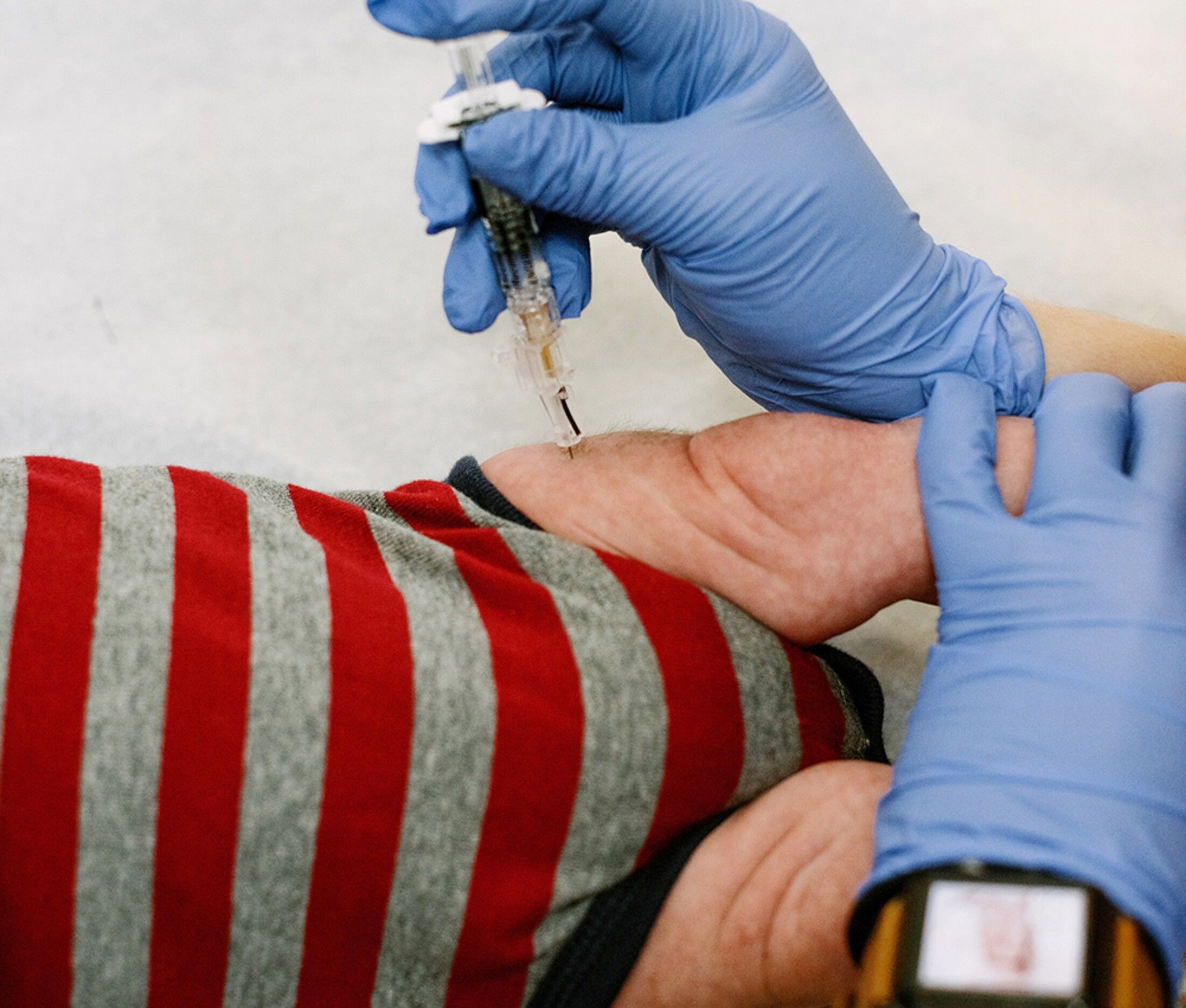
The CDC's advisory panel, influenced by Health Secretary Robert F. Kennedy Jr., voted to change the policy on hepatitis B vaccinations for newborns.
Instead of vaccinating all babies at birth, they now recommend only vaccinating babies of mothers who test positive for the virus.
This change is controversial because it goes against the current successful policy that has drastically reduced pediatric hepatitis B cases.
Critics argue that the new policy is not based on science and could lead to more children getting sick.
The panel's decision is part of a broader effort to weaken childhood vaccinations, which some believe are harmful despite evidence to the contrary.

CDC panel votes 8-3 to change hepatitis B vaccination policy for newborns
New policy recommends vaccination only for babies of infected mothers
Current policy has reduced pediatric hepatitis B cases from 18,000 to 20 per year
Critics argue the change is not based on science and could lead to more infections
Panel's decision is part of a broader effort to weaken childhood vaccinations
- Who
- CDC's Advisory Committee on Immunization Practices, Health and Human Services Secretary Robert F. Kennedy Jr.
- What
- Vote to change hepatitis B vaccination policy for newborns
- When
- Recent vote, exact date not specified
- Where
- United States
- Why
- Belief that vaccines are harmful, despite scientific evidence
- CDC Recommendation
- Vaccination at birth only for babies of infected mothers
- Current Policy
- Universal birth dose for all babies
- Hepatitis B Transmission
- Sexual activity, needle sharing, and surface contact
- Pediatric Cases
- Fell from 18,000 in 1991 to 20 per year
- Panel Vote
- 8-3 in favor of changing the policy
- Population Comparison
- U.S. (340 million) vs. Denmark (6 million)
- Aluminum in Vaccines
- Less than in breast milk
- Trump's Order
- Review of vaccine schedules in peer countries