

Archive · 1 Jul 2025
The Science Behind Solar Energy Generation
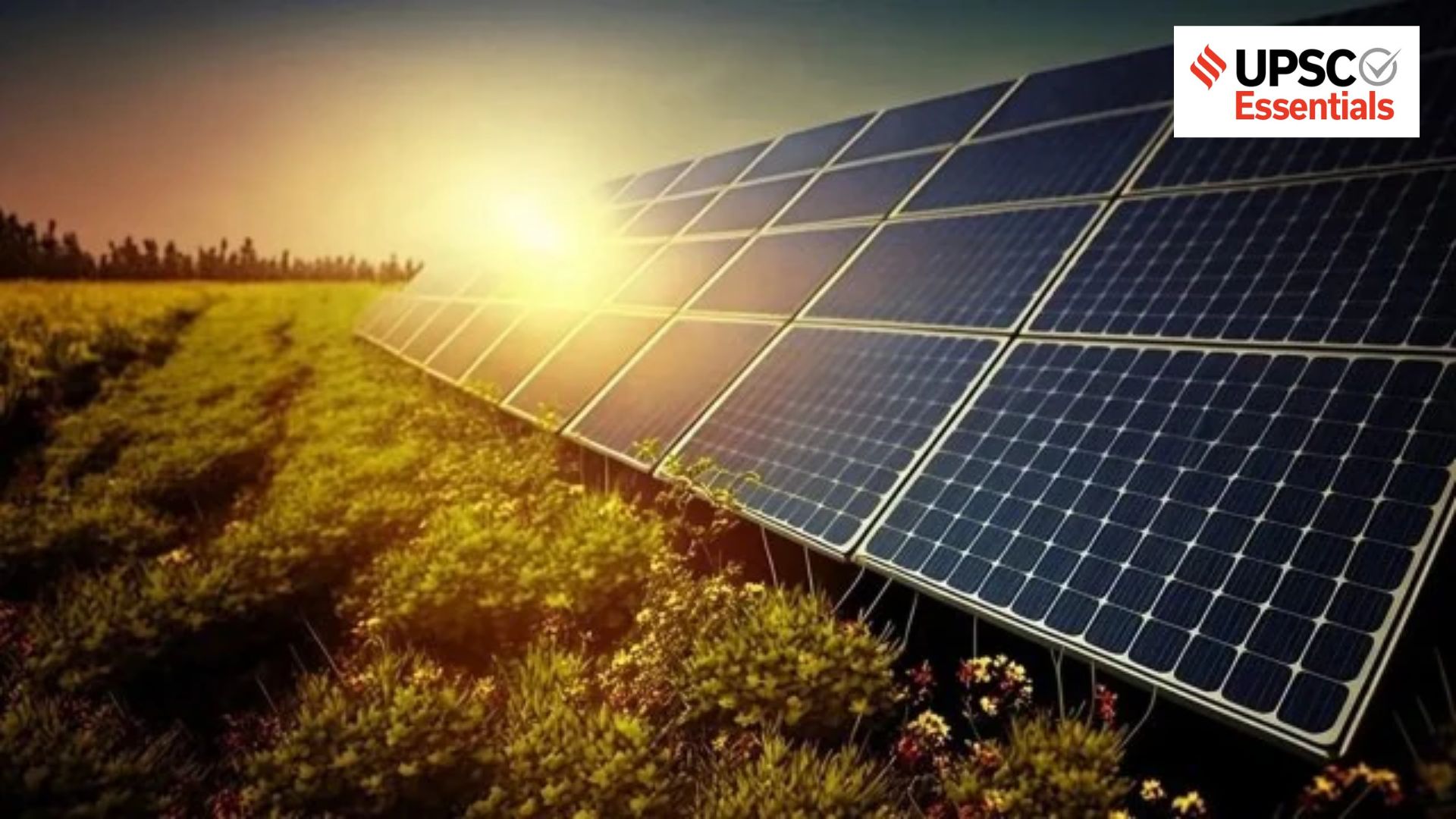
Solar panels use special materials like silicon to turn sunlight into electricity.
When light hits the silicon, it creates a flow of electricity, but it is not perfectly efficient.
Some sunlight's energy is lost as heat.
These solar panels can lose some of their efficiency in hot conditions.
While the cost of solar power has decreased, there are still challenges like how well panels work in different climates and the need for regular cleaning.
This impacts how well solar power can generate clean energy.

Solar photovoltaic (PV) cells convert sunlight into electricity using semiconductors like silicon.
Efficiency of silicon PV cells is limited, with theoretical maximum of 33.7%, and average commercial efficiency of 20-25%.
PV cell efficiency can be impacted by factors such as the energy of incoming photons and heat loss.
Costs of PV electricity have fallen, but further reductions are needed in areas like hardware and installation.
Climatic and infrastructural constraints can limit the effectiveness of PV systems, particularly in tropical regions.
- Who
- Researchers at Bell Labs created the first practical solar cell.
- What
- Solar photovoltaic (PV) cells convert sunlight into electricity using semiconductors like silicon.
- When
- The first practical solar cell was created in 1954, and costs continue to fall.
- Where
- Solar technology is used worldwide, though efficiency varies by location.
- Why
- Solar panels provide a renewable energy source, though efficiency and cost are ongoing challenges.
Challenges of Solar Power
Advantages of Solar Power
Maintenance
Challenges of Solar Power
The need for regular cleaning of panels is a hazardous and resource-intensive task.
Advantages of Solar Power
Solar panels, while requiring maintenance, offer a clean energy alternative.
Efficiency Reductions
Challenges of Solar Power
Rising air pollution and soiling can reduce solar insolation and output.
Advantages of Solar Power
While there are challenges, solar power remains a key component in green energy generation.
- Main Component
- Silicon
- Efficiency (Commercial)
- 20-25%
- Theoretical Efficiency Limit
- 33.7%
- Cost in 2010
- $4–5 per watt
- Cost in 2023
- $2.8 per watt