Archive · 3 Aug 2025
Hair Loss's Silent Struggle: Impacting Mental Health
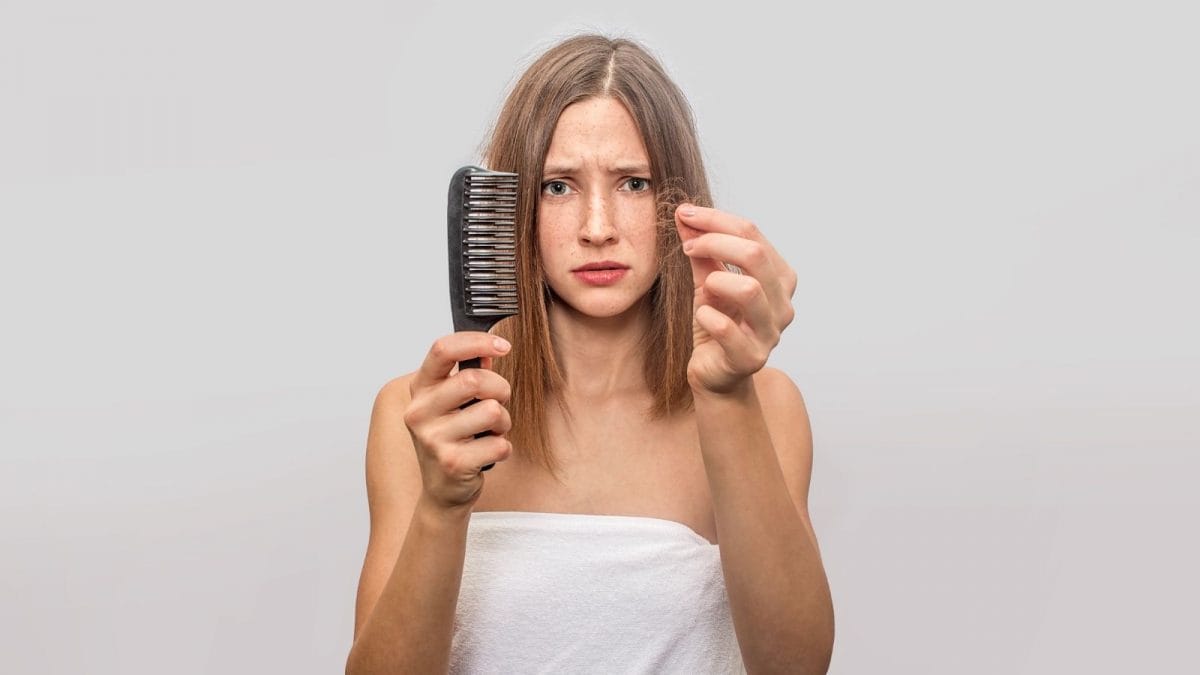
Losing hair can be a really tough experience, making people feel sad or worried about how they look.
It's because hair is often tied to how we see ourselves, like feeling young and healthy.
When it falls out, it can hurt our confidence and make us want to hide away.
Sometimes, people don't understand how much it impacts us.
But it's important to talk about it, get support, and remember that our feelings are valid.
There's no single way to cope, just your own way, and that matters most.

Hair loss can significantly impact an individual's self-image and confidence.
Hair is often linked to concepts of youth, beauty, health, and even power.
Hair loss can lead to emotional distress and avoidance of social situations.
Some individuals experience trauma related to sudden and unexpected hair loss.
Support and understanding are crucial because hair loss is often dismissed as a trivial issue.
- Who
- Individuals experiencing hair loss and Aarushi Kohli, a Counseling Psychologist.
- What
- Hair loss can lead to emotional distress and impact an individual's self-image.
- When
- The article discusses the emotional impacts of hair loss.
- Where
- The article discusses the emotional impacts of hair loss in general.
- Why
- To highlight the emotional impact of hair loss.
Society's View
Individual's Experience
Severity of the Problem
Society's View
Hair loss is often seen as a minor or superficial issue.
Individual's Experience
Hair loss can cause deep emotional distress.
- Emotional Impact
- Can lead to decreased self-esteem, anxiety, and depression.
- Social Impact
- May cause individuals to avoid social situations.
- Identity Association
- Hair is often linked to youth, beauty, and health.
- Coping Mechanisms
- Therapy, support groups, self-compassion, and reimagining identity.