

1 day ago
Kenya Confirms First Ebola Case After Patient Dies

Kenya confirmed its first Ebola case after a Kenyan man who had lived in the Democratic Republic of the Congo travelled to Nairobi.
He had been sick for about a month and died after being taken to hospital.
Health officials are watching people who may have been in contact with him.
Reports gave different counts: one said 28 contacts, while another listed eight family members and 21 health workers in quarantine.
Officials are also trying to find people who travelled on his flight.
Kenya and international health agencies said they were working to respond.
Ebola can spread when someone touches infected body fluids or objects contaminated by them.
It does not spread simply because someone is nearby, and symptoms can take up to 21 days to appear.

Kenya confirmed its first Ebola case after a Kenyan citizen who had lived in the Democratic Republic of the Congo travelled to Nairobi and died.
The patient had been ill for about a month, travelled through Uganda, and was admitted to Nairobi Hospital with fever, chills and bleeding beneath the skin.
Authorities reported 28 contacts in one account; Kenya’s president’s office separately said eight family members and 21 healthcare workers were quarantined.
Officials sought to trace passengers and crew from the patient’s flight, while Kenya, Uganda, the Africa CDC and WHO described response and support measures.
The articles say Ebola spreads mainly through direct contact with infectious bodily fluids or contaminated objects, and symptoms can take 2 to 21 days to appear.
- Who
- A Kenyan citizen who had lived in the Democratic Republic of the Congo; Kenyan health authorities and international health agencies are responding.
- What
- Kenya confirmed its first Ebola case; the patient died, and authorities began tracing contacts.
- Where
- The patient travelled from the Democratic Republic of the Congo through Kampala, Uganda, to Nairobi, Kenya.
- When
- The case was reported on October 6, 2026; the patient arrived in Nairobi on Saturday and died late Monday.
- Why
- Authorities are tracing contacts and coordinating a response to limit possible spread of Ebola.
Questions about screening and travel
Official reassurance and response
Border and airport screening
Questions about screening and travel
The case raised questions about cross-border safeguards; Kenya’s health ministry director-general said medication may have masked the patient’s symptoms at airport screening, and Uganda said screening staff recorded a normal temperature.
Official reassurance and response
Kenya’s health minister said the country had systems in place to contain the disease, and authorities and health agencies described active response measures.
Public risk and travel
Questions about screening and travel
The patient’s death and the effort to trace contacts underscore the need to monitor possible exposures and prevent further spread.
Official reassurance and response
The health minister urged the public not to panic; WHO Director-General Tedros Adhanom Ghebreyesus recommended against travel restrictions on affected countries.
Contact totals
Questions about screening and travel
The News18 report says 28 contacts were identified.
Official reassurance and response
Reuters reports eight family members and 21 healthcare workers quarantined, while also reporting separate efforts to trace flight passengers and crew.
Key facts
- Patient
- A Kenyan citizen who had lived in the Democratic Republic of the Congo for seven years.
- Patient outcome
- He died late Monday after being admitted to Nairobi Hospital.
- Contact counts
- One report says 28 contacts were identified; another says eight family members and 21 healthcare workers were quarantined.
- Flight tracing
- Authorities sought to trace 23 passengers and four crew members from his Jambojet flight.
- Travel route
- He travelled by road from the Democratic Republic of the Congo to Kampala, then flew to Nairobi.
- Incubation period
- Symptoms may appear 2 to 21 days after exposure.
- Transmission
- Primarily through direct contact with bodily fluids of an infected or deceased person, or contaminated objects.
Quotes
Alan Kasujja
Ugandan government spokesperson
“Leave Uganda out of this conversation … We don’t have Ebola here.”
 theprint.in
Sources
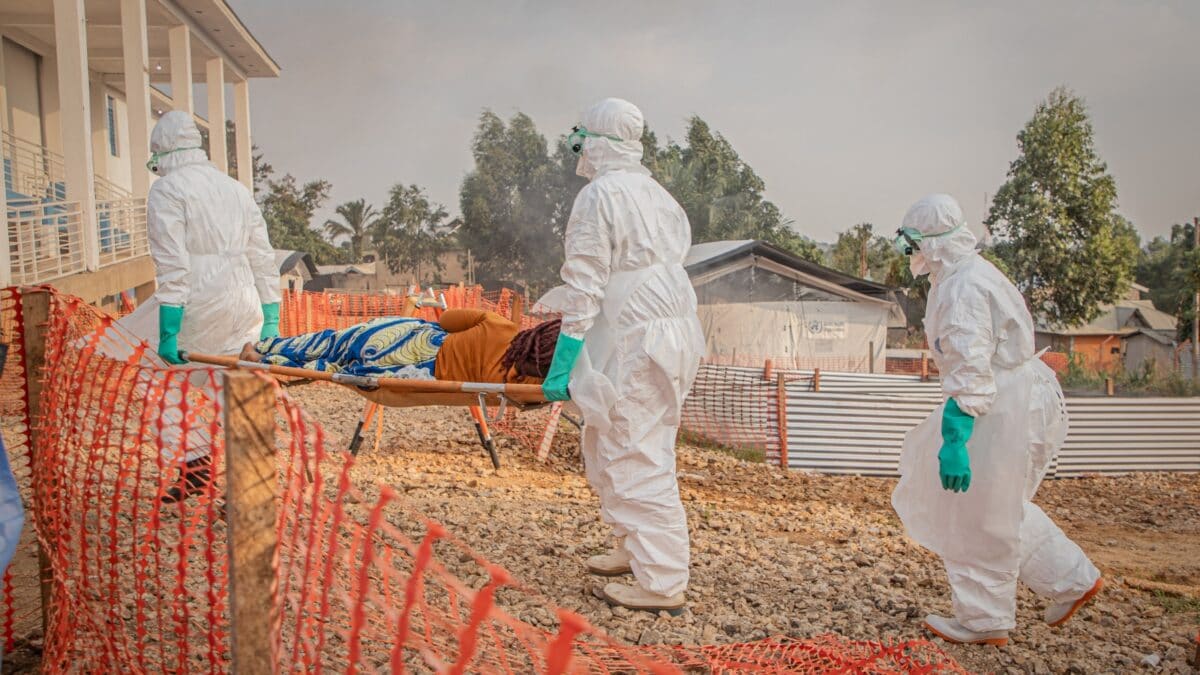
Related news

Ebola Reaches Congo’s Sud-Ubangi After Patient Traveled Through Rwanda

Ebola Infects Doctors Without Borders Worker in Congo Outbreak
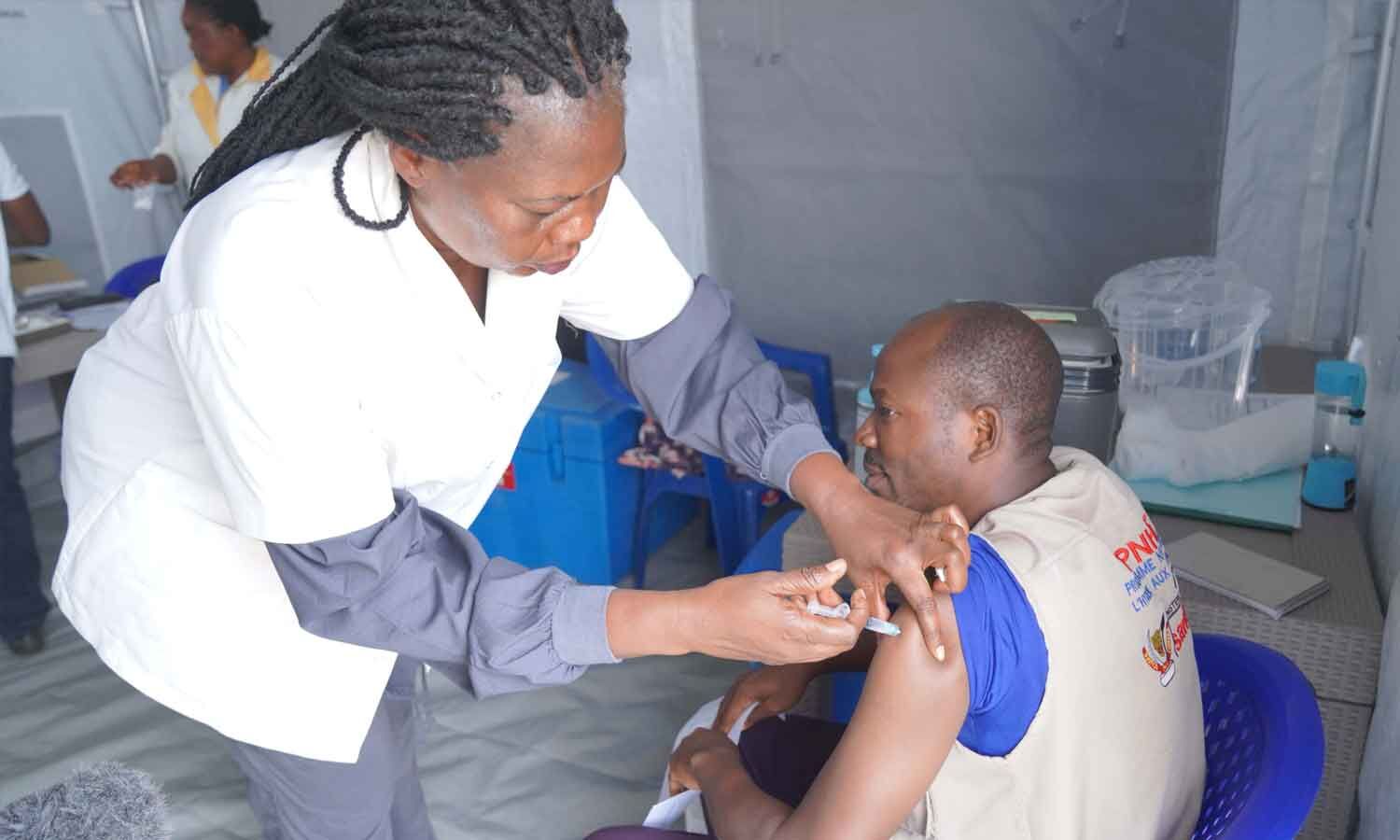
Congo Begins Ebola Vaccinations for Front-Line Workers in Outbreak Epicentre
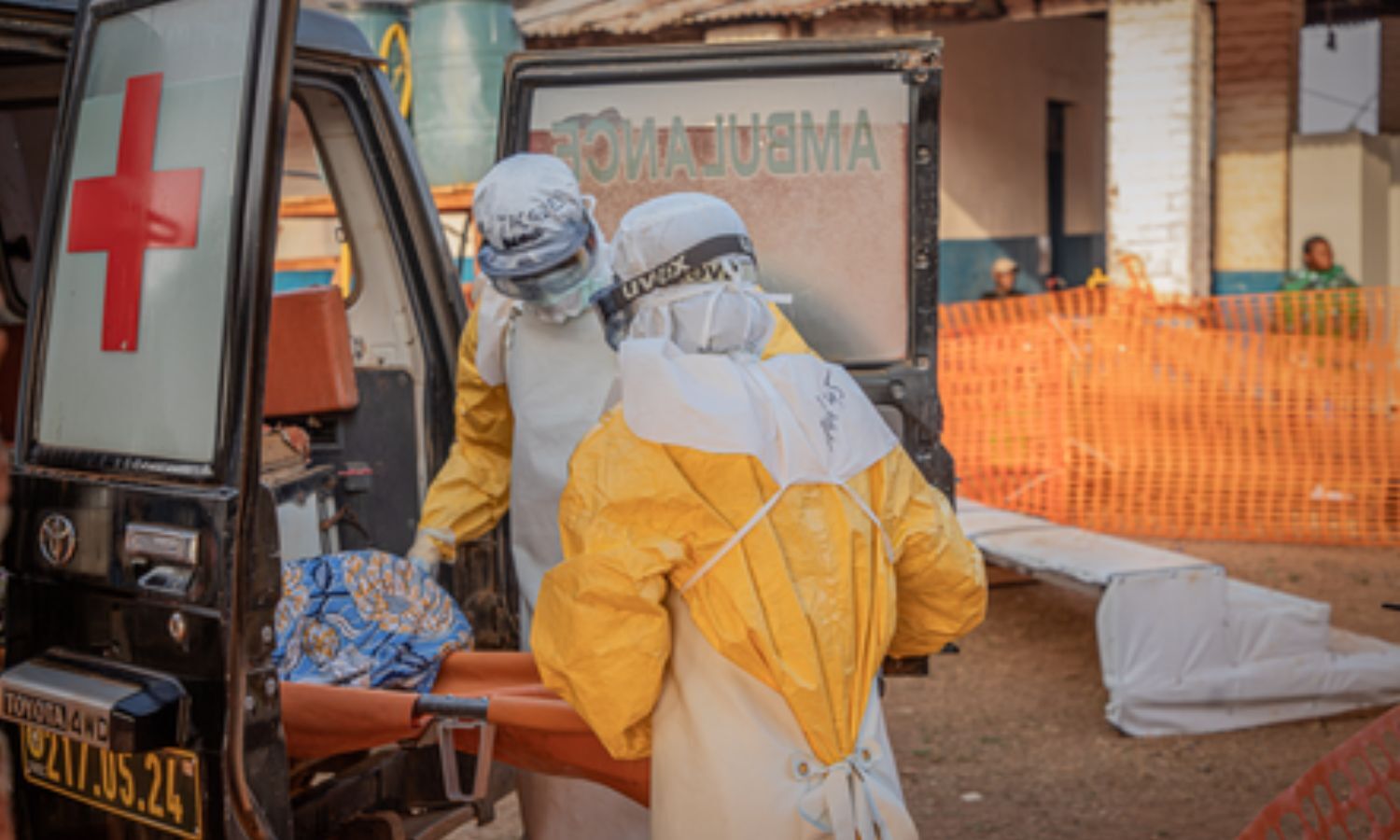
DR Congo Ebola Outbreak Death Toll Surpasses 4,000
Mpox Case Confirmed in Bunia Amid Congo’s Ebola Outbreak
Rebel-Held Eastern Congo Reports Six New Ebola Cases
WHO Says Siberia Plague Risk Is Low After Lab Worker’s Death

WHO Seeks Clarity on Russian Lab Worker’s Pneumonia Death
WHO Says No Recent Plague Cases in Russia’s Irkutsk Region

Trump Plans Putin Call as US and WHO Seek Plague Information