Archive · 7 Oct 2026
RBI Governor Says New UPI MDR Unlikely to Curb Volumes
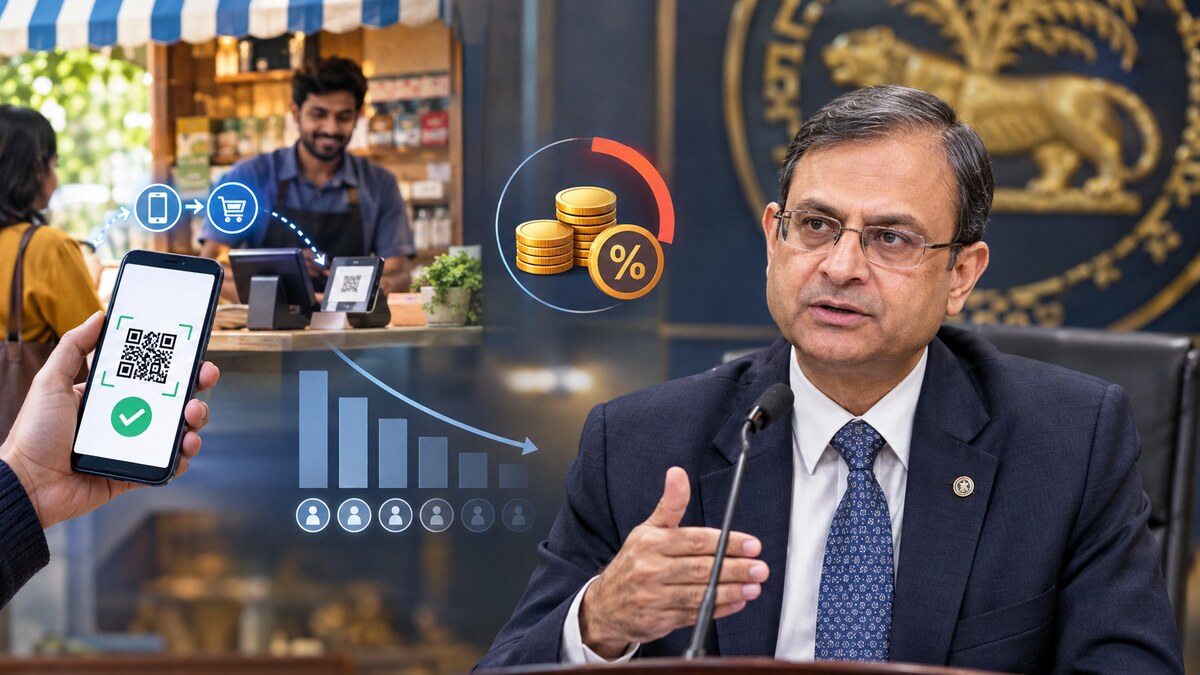
UPI is a way to pay digitally.
Starting October 15, some businesses will pay a fee when they receive certain larger UPI payments.
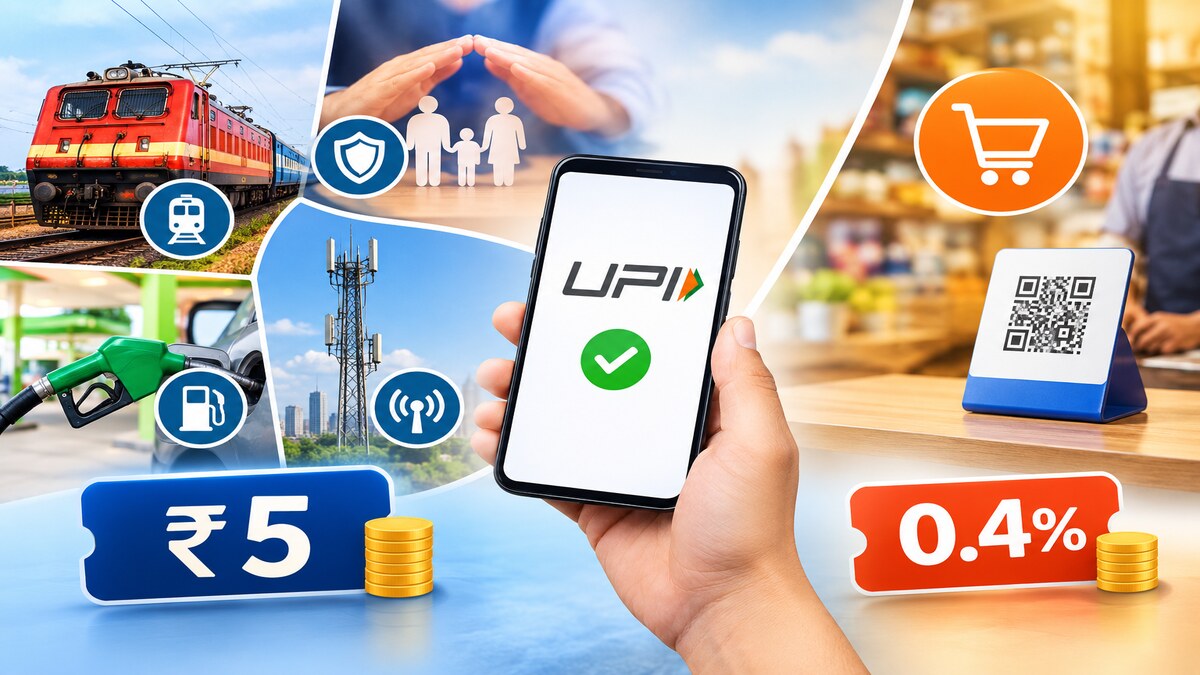
The usual fee is 0.4% for eligible payments above ₹2,000, with a maximum of ₹300 for transactions of ₹75,000 or more.
Some sectors, such as railways and fuel, will pay a flat ₹5 instead.
Payments between people and many smaller merchant payments will remain free.
The government says customers cannot be charged this fee as a separate UPI charge.
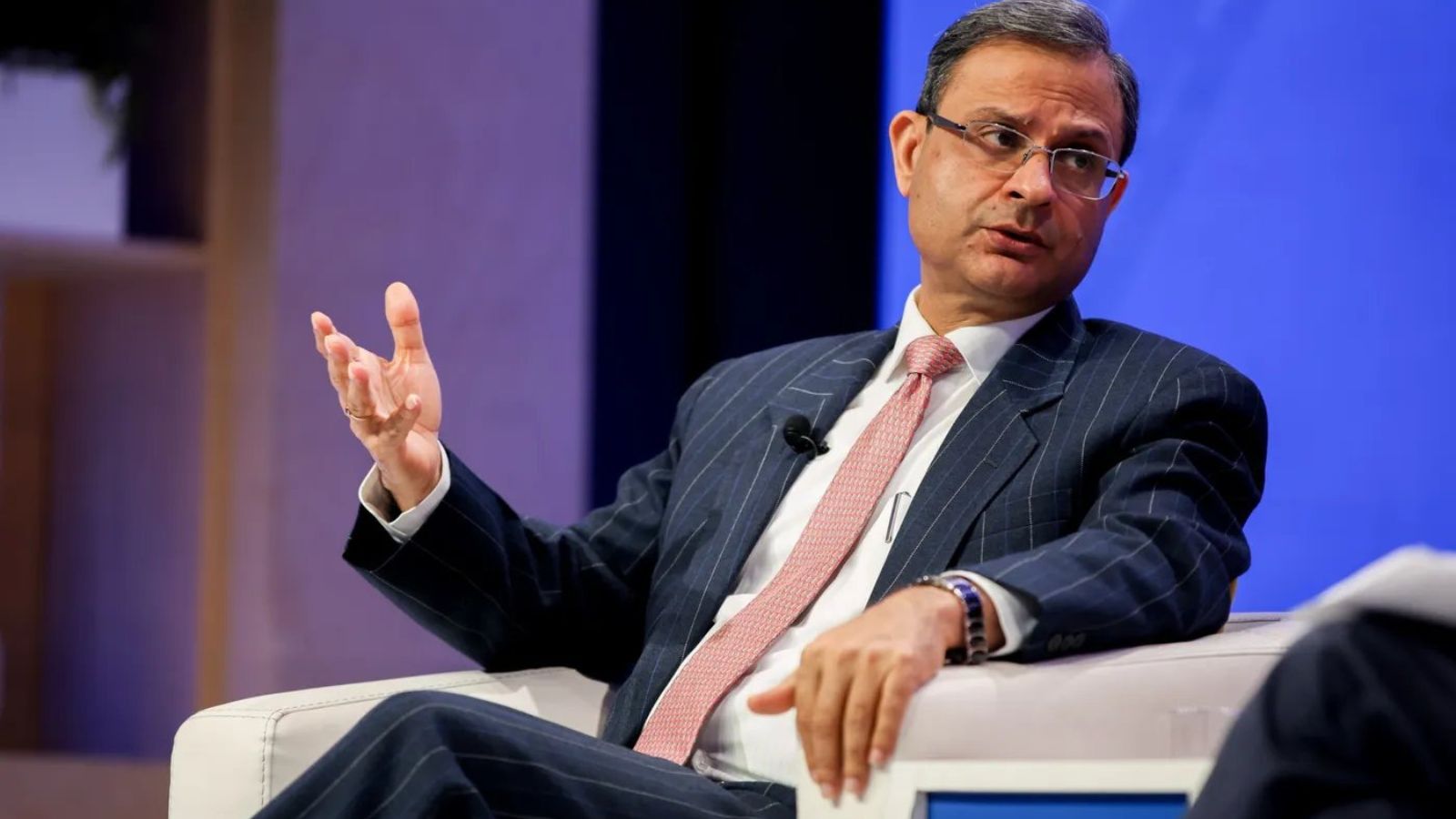
RBI Governor Sanjay Malhotra said he does not expect the small fee to significantly reduce UPI use.
Experts say the final effect may depend on how businesses and payment providers manage the costs.

RBI Governor Sanjay Malhotra said he does not expect the small merchant-side fee to materially reduce UPI transaction volumes.
From October 15, a 0.4% MDR applies to specified person-to-merchant UPI payments above ₹2,000, capped at ₹300 for transactions of ₹75,000 or more.
Person-to-person transfers, eligible merchant payments up to ₹2,000, and transactions covered by the small-merchant zero-MDR framework remain free.
Railways, telecom, insurance, fuel and other specified sectors face a flat ₹5 MDR above ₹2,000; certain securities-related transactions have a 0.02% rate capped at ₹300.
The government says consumers cannot be charged MDR separately, though articles note businesses and payment providers may absorb or indirectly reflect costs in their economics.
- Who
- RBI Governor Sanjay Malhotra, the government, merchants and participants in the UPI payments ecosystem.
- What
- A new MDR framework will charge specified merchant UPI transactions, while the RBI Governor says the fee is unlikely to materially reduce transaction volumes.
- When
- The framework is stated to take effect on October 15; Malhotra made his comments at a post-policy press conference on October 7.
- Where
- India's Unified Payments Interface (UPI) payments system.
- Why
- The stated policy aim is to support the sustainability of the digital payments ecosystem while limiting costs for specified essential and thin-margin sectors.
Reasons the fee may have limited effects
Potential concerns and trade-offs
Effect on UPI usage
Reasons the fee may have limited effects
Malhotra said he does not expect the small fee to materially affect transaction volumes; the charge applies only to specified merchant transactions.
Potential concerns and trade-offs
Some merchants, particularly those with thin margins, could be more sensitive to added costs and might discourage UPI or encourage other payment methods.
Sector-specific rates
Reasons the fee may have limited effects
The articles describe the flat ₹5 rate for specified essential or thin-margin sectors as a way to limit their costs while contributing to payment infrastructure.
Potential concerns and trade-offs
Differing rates create a risk of merchant-category misclassification, which experts say calls for classification checks, monitoring and audits.
Who bears the cost
Reasons the fee may have limited effects
MDR is a merchant-side charge, and the government says it cannot be separately passed on to consumers.
Potential concerns and trade-offs
Although no separate consumer charge is allowed, articles note that businesses or payment providers may absorb costs or reflect them indirectly through pricing, discounts or other commercial arrangements.
- Standard MDR
- 0.4% on specified P2M UPI transactions above ₹2,000
- Standard MDR cap
- ₹300 for transactions of ₹75,000 or more
- Specified-sector rate
- Flat ₹5 per qualifying transaction above ₹2,000 for listed categories including railways, telecom, insurance and fuel
- Securities-related rate
- 0.02% for transactions involving mutual funds, securities, stockbrokers and dealers, capped at ₹300
- Transactions remaining free
- P2P transfers, eligible merchant transactions up to ₹2,000, and transactions covered by the small-merchant zero-MDR framework
- Consumer charge
- The government says merchants cannot pass MDR to customers as a separate UPI charge
- RBI Governor's view
- Sanjay Malhotra said he does not expect the small fee to have a major impact on UPI volumes
Sources
UPI MDR: Why do railways, insurance, fuel, telecom get a Rs 5 cap while others face 0.4%?
Small MDR fee unlikely to hit UPI volumes, says RBI Governor Sanjay Malhotra on UPI MDR charges from Oct 15

UPI MDR from 15 October: RBI Governor says small fee unlikely to hit transaction volumes
UPI charges: Will 0.4% MDR lead to fewer transactions? RBI Governor responds