

Archive · 27 Dec 2025
Ibrahim Mahama: Art and Global South Solidarity
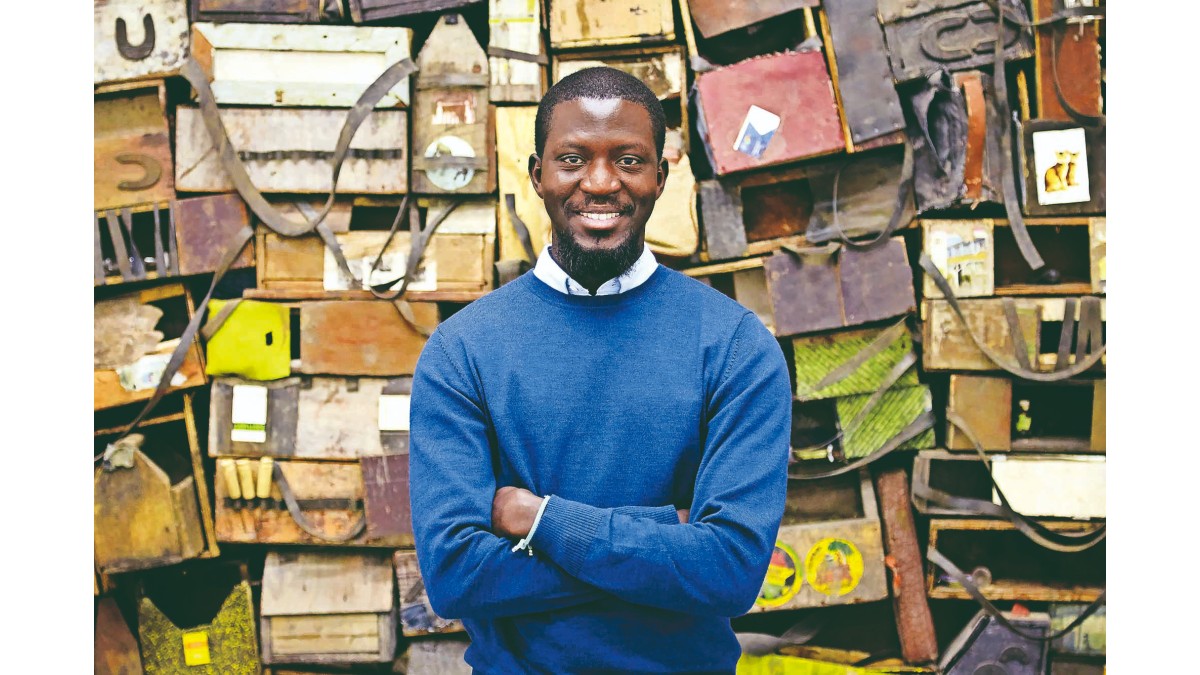
Ibrahim Mahama is a famous artist from Ghana who recently visited India for an art event called the Kochi-Muziris Biennale.
He made an art installation called 'Parliament of Ghosts' using old chairs and jute sacks.
He believes art helps us think about fixing things, not just physically but also in our minds and history.
He thinks it's important for countries in the Global South, like Ghana and India, to work together.
He also believes that art can be made anywhere, not just in a studio.
His studio in Ghana, called Red Clay, is a place where people can experience and learn about art in new ways.
He will be visiting India again in February for another art fair in Delhi.

Ibrahim Mahama, a Ghanaian artist, was named the most influential artist in the world and participated in the Kochi-Muziris Biennale in Fort Kochi, Kerala.
His installation, 'Parliament of Ghosts', uses discarded chairs and jute sacks to explore themes of repair and collective memory.
Mahama believes art can be created anywhere, not just in a studio, and his studio in Ghana, Red Clay, aims to make art accessible and meaningful to the public.
He emphasizes the importance of Global South solidarity to address socio-economic and political crises.
Mahama will visit India again in February 2024 for the India Art Fair in Delhi.
- Who
- Ibrahim Mahama, a Ghanaian artist
- What
- Ibrahim Mahama's installation 'Parliament of Ghosts' at the Kochi-Muziris Biennale
- When
- During the Kochi-Muziris Biennale and upcoming India Art Fair in February 2024
- Where
- Fort Kochi, Kerala, India
- Why
- To address themes of repair, collective memory, and the value of discarded objects
- Artist
- Ibrahim Mahama
- Location
- Fort Kochi, Kerala, India
- Installation
- Parliament of Ghosts
- Materials Used
- Discarded chairs and jute sacks
- Event
- Kochi-Muziris Biennale
- Next Visit
- India Art Fair in Delhi, February 2024
- Studio
- Red Clay
- Philosophy
- Art as a means to exercise responsibility and collective reflection