

Archive · 15 Dec 2025
Scientists Unravel the Mysteries of Interoception
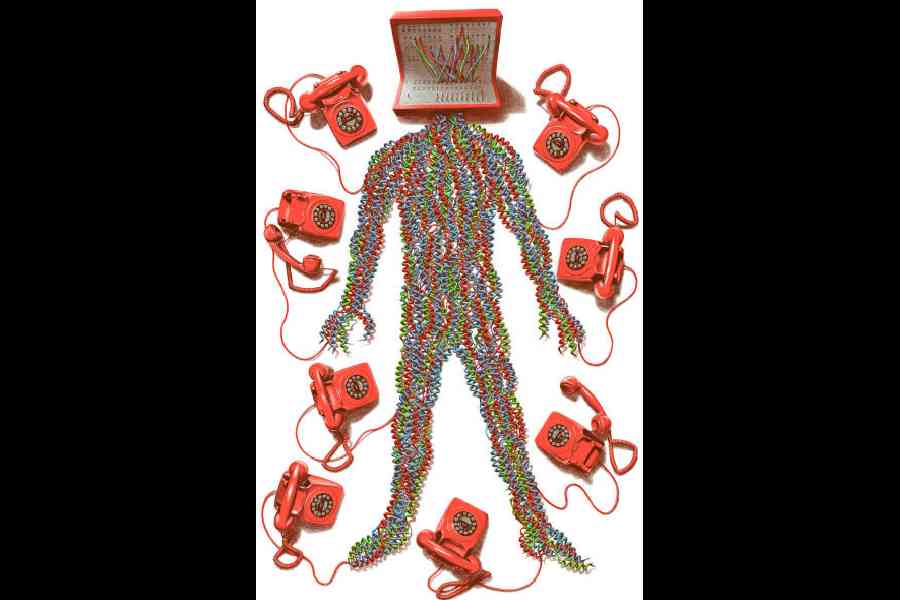
Scientists are studying a special sense called interoception, which helps the brain understand what's happening inside our bodies.
This sense is responsible for feelings like a racing heart or a full bladder.
Researchers have discovered that a protein called Piezo helps nerve endings sense pressure in different organs, like the lungs, bladder, and intestines.
The vagus nerve, which is a major nerve in the body, plays a big role in this process.
It detects changes in pressure, temperature, and even the nutrients in our food.
The brain uses this information to control things like breathing, vomiting, and how we feel when we're sick.
Scientists believe that understanding interoception better could help treat conditions like anxiety and depression.
They are working on creating a map of how interoception works throughout the body to improve our health and well-being.

Ardem Patapoutian, who discovered the Piezo protein, is now studying interoception, the internal sense that informs the brain about the body's state.
Piezo proteins help nerve endings sense pressure in various organs, including the lungs, bladder, and intestines.
The vagus nerve, with 100,000 neurons, detects pressure, temperature, acidity, and specific nutrients in the body.
Interoception influences emotions, behavior, decisions, and physical sensations, and may be linked to psychiatric disorders.
Scientists are working to create an atlas of interoception to better understand and potentially treat related disorders.
- Who
- Ardem Patapoutian, David Linden, Catherine Dulac, and other neuroscientists
- What
- Research on interoception and the role of the Piezo protein in sensing internal body states
- When
- Ongoing research with significant advances in the last five years
- Where
- Scripps Research, Johns Hopkins University, Harvard University, and other research institutions
- Why
- To understand and potentially treat psychiatric and physical disorders linked to interoception
- Ardem Patapoutian
- Neuroscientist at Scripps Research, discovered Piezo protein, won Nobel Prize in 2021
- Piezo Protein
- Allows nerve endings to sense pressure, crucial for touch and interoception
- Interoception
- Internal sense that provides the brain with information about the body's state
- Vagus Nerve
- Major nerve that detects pressure, temperature, acidity, and nutrients in various organs
- David Linden
- Neuroscientist at Johns Hopkins University, authoring a book on interoception
- Catherine Dulac
- Neuroscientist at Harvard, studies how the brain responds to sickness