

Archive · 2 Aug 2025
U.S. Tariffs: Potential Economic Drawbacks
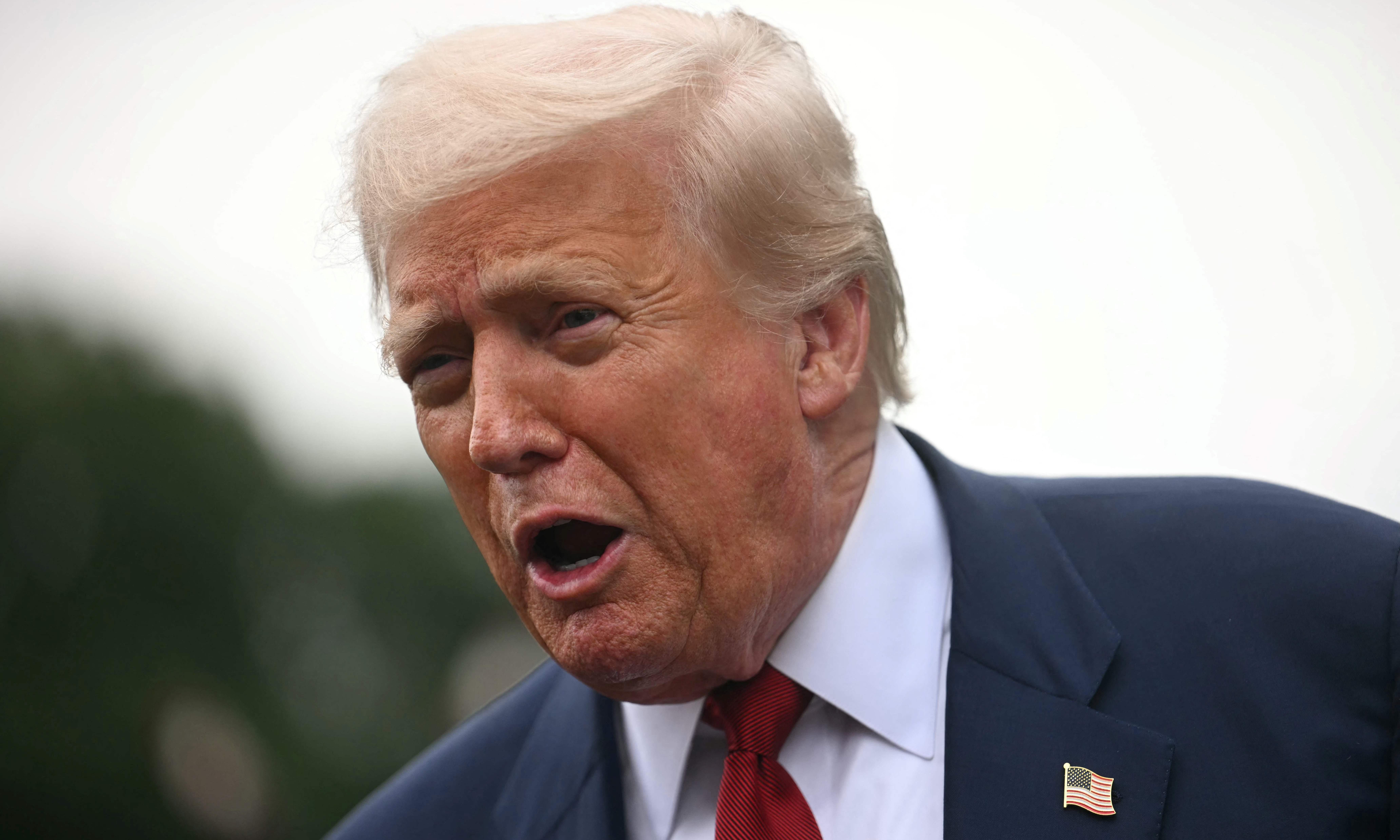
The U.S. is using taxes on imported goods, called tariffs, as a negotiating tactic.
While the President is making deals with other countries, these tariffs mostly hurt U.S. businesses and consumers by making goods more expensive.
Some believe these tariffs are weakening the overall economy and reducing choices for shoppers.
This could cause future problems as well.

Trump is implementing a tariff policy, with rates potentially rising to 18%.
The policy includes 'reciprocal' tariffs on various trading partners.
Deals with the EU, Japan, and South Korea involve market openings in exchange for lower tariffs.
Analysts say that U.S. consumers and firms are bearing the majority of tariff costs.
Long-term costs, including the potential for reduced choice and fairness, are expected to mount.
- Who
- Donald Trump, the U.S. President.
- What
- The U.S. is implementing a protectionist tariff policy.
- When
- Tariffs are set to increase on August 7th.
- Where
- The policy impacts the U.S. and its trading partners.
- Why
- To assert America's economic influence and negotiate deals.
Critics
Supporters
Economic Impact
Critics
Tariffs are harming the U.S. economy and consumers.
Supporters
Tariffs are a successful negotiating tactic that benefits America.
- Effective Tariff Rate
- 18%
- Tariff Revenues
- $30bn per month
- Tariff Cost Borne by U.S.
- Four-fifths of the costs
- Affected Industries
- Ford, GM
- Market Response
- Muted financial market reaction
