

Archive · 26 Sep 2025
First Amendment Challenges Trump's Crackdown on Hate Speech
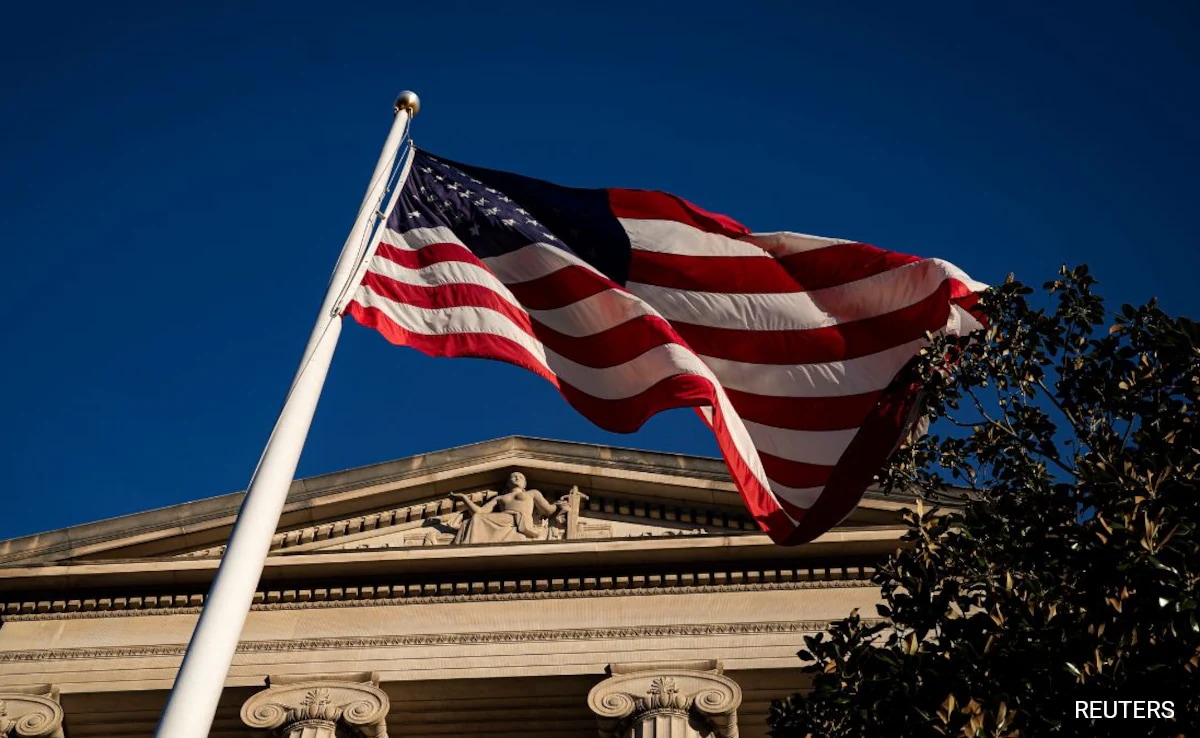
Imagine the government trying to stop people from saying things they don't like.
The First Amendment in the U.S. Constitution protects free speech.
It means people can express their opinions, even if others disagree.
The article explains that the government can't easily punish people for their words.
Court cases show that even offensive speech, like protesting a funeral, is protected.
The article discusses how this relates to Trump's actions and similar attempts to regulate speech.
It also touches on the limits of free speech, such as threats and incitement to violence, and the importance of protecting criticism of the government.

The First Amendment protects unpopular speech.
Trump administration vowed to crack down on what it calls hate speech.
Supreme Court has ruled against government efforts to punish those for political speech.
Speech critical of government policies and leaders is strongly protected.
Indirect government attempts to curtail protected speech are unconstitutional.
- Who
- The U.S. government and individuals.
- What
- First Amendment challenges Trump administration's crackdown on hate speech.
- When
- Recent court rulings and events in 2024.
- Where
- United States.
- Why
- To examine First Amendment's protection of free speech, even when unpopular.
Protection of all speech
Restrictions on certain types of speech
Limits on Speech
Protection of all speech
Those who believe in strong free speech protections focus on the importance of criticism of the government.
Restrictions on certain types of speech
Some believe certain types of speech should not be protected, such as threats or incitement to violence.
- Focus
- First Amendment and free speech protection.
- Key Concern
- Government regulation of speech.
- Relevant Case
- Westboro Baptist Church funeral protest.
- Supreme Court Ruling
- Protected speech even if offensive.
- Issue
- Government's effort to punish those critical of it.