Archive · 16 Sep 2026
Maharashtra FDA Seeks Price Caps on Hospital Devices
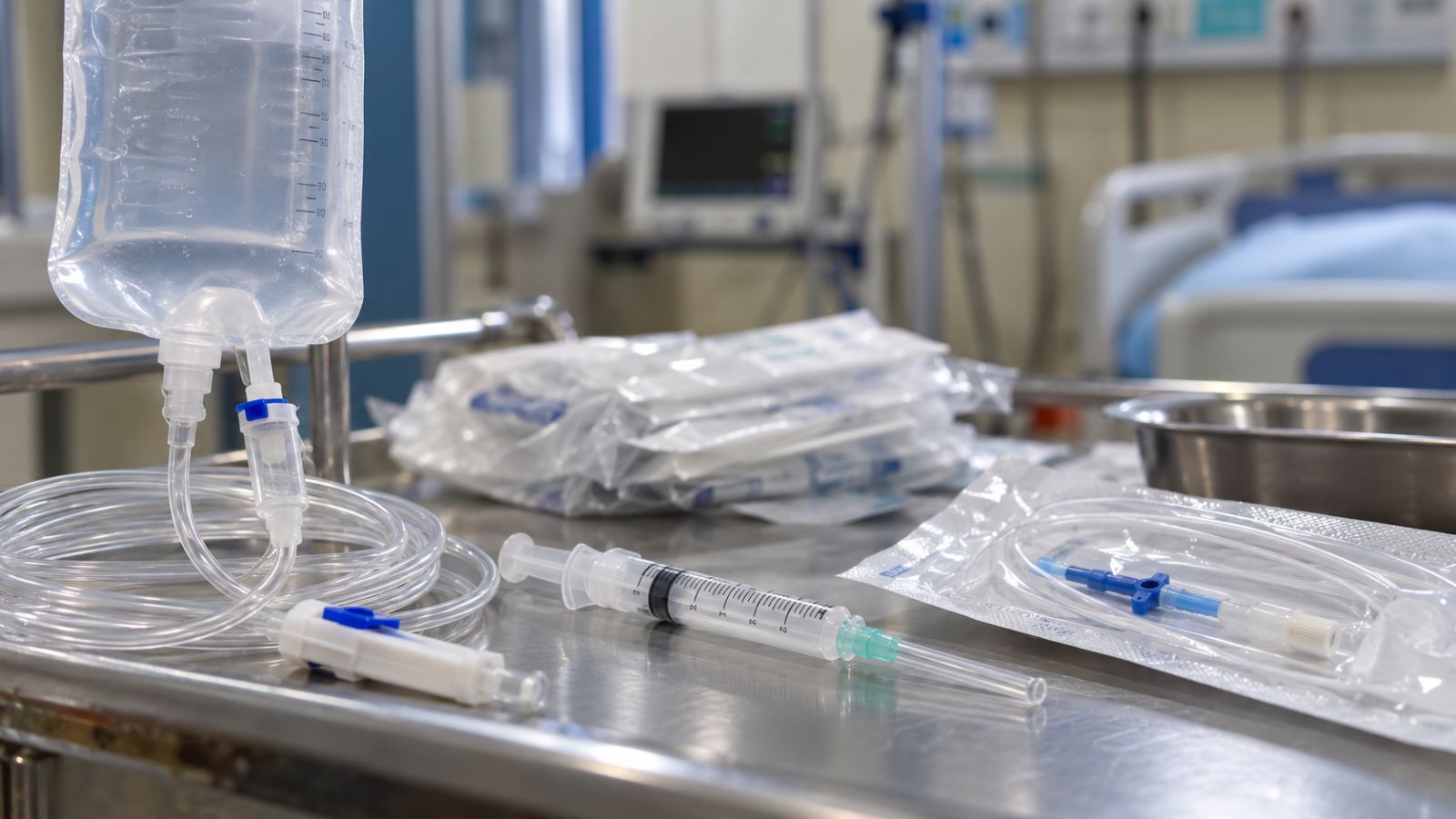
The Maharashtra FDA checked the prices of medical supplies used in hospitals.
It found that some supplies were bought cheaply but had very high printed prices.
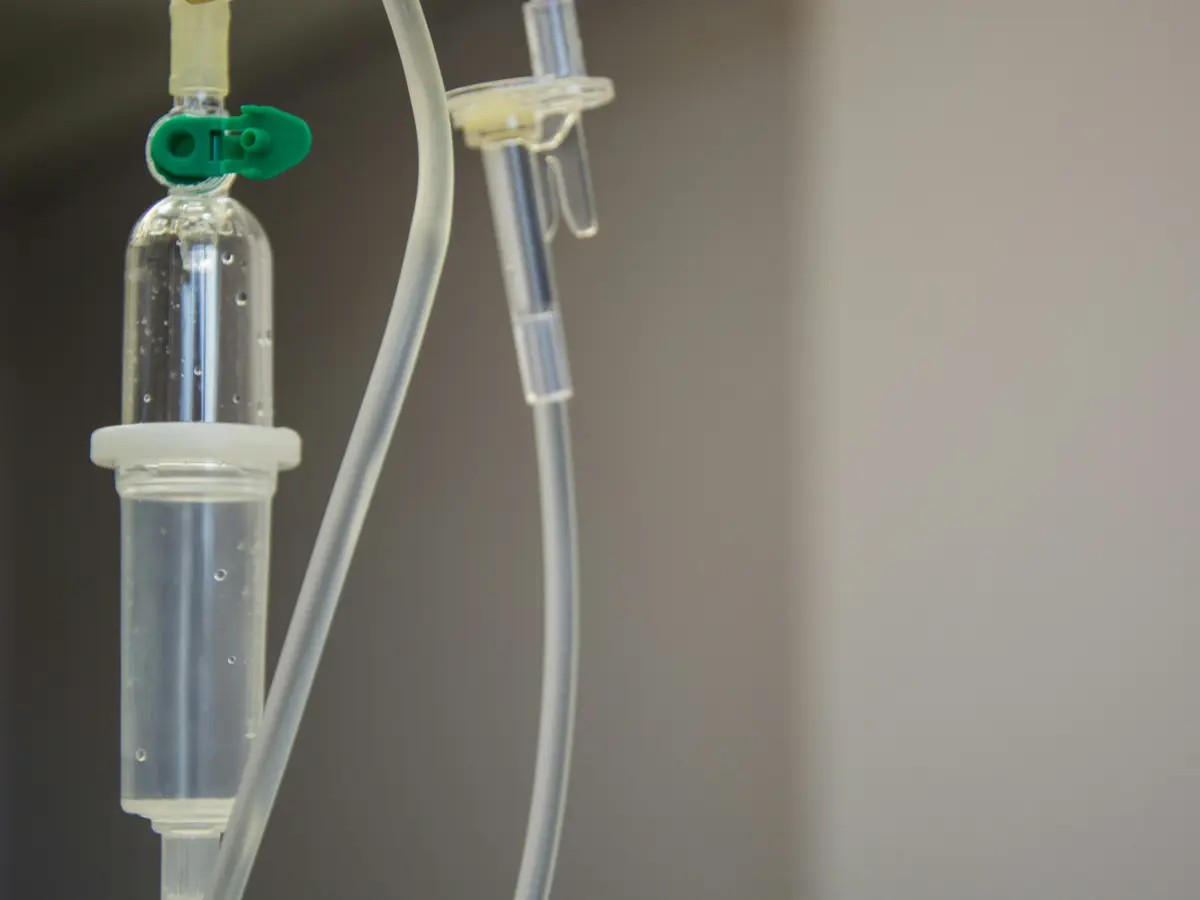
For example, an IV set bought for about Rs 11 had an MRP of Rs 325.
A syringe bought for Rs 6.75 had an MRP of Rs 57.20.
Some masks, cannulas and catheters also had large price increases.
The FDA says patients in hospitals usually cannot choose different supplies or bargain over prices.
Commissioner Tukaram Mundhe called the price increases irrational and unjustified.
The FDA has asked a national pricing authority to consider setting limits on these prices.

A Maharashtra FDA survey found wide gaps between procurement prices and MRPs for hospital consumables.
An IV set bought for Rs 11.05 carried an MRP of Rs 325, a reported 2,841 percent margin.
A 10 ml syringe bought for Rs 6.75 was sold for Rs 57.20, while a catheter bought for Rs 29.41 had an MRP of Rs 310.
The survey also found steep mark-ups on IV cannulas, nebuliser masks, oxygen masks, needles and other consumables.
The FDA has asked the NPPA and Department of Pharmaceuticals to consider bringing frequently used inpatient devices under DPCO price controls.
- Who
- The Maharashtra Food and Drug Administration, its Maharashtra State Price Monitoring Resource Unit and Commissioner Tukaram Mundhe conducted and reported the findings; the National Pharmaceutical Pricing Authority will consider the proposal.
- What
- A survey found substantial gaps between procurement prices and printed MRPs for commonly used hospital consumables and medical devices.
- When
- The survey was conducted in July, and the FDA submitted its report to the NPPA in the first week of August.
- Where
- The survey covered hospitals and markets in the Mumbai Metropolitan Region, Pune and Chhatrapati Sambhajinagar, Maharashtra.
- Why
- The FDA said patients had received complaints about exorbitant charges and lacked bargaining power during inpatient treatment.
FDA and Price-Control Advocates
Regulatory and Institutional Limits
Need for price controls
FDA and Price-Control Advocates
The FDA says large gaps between procurement prices and MRPs can impose an unnecessary financial burden on patients and has proposed statutory price controls for frequently used inpatient products.
Regulatory and Institutional Limits
The FDA has not itself decided or imposed prices; it has submitted its findings to the NPPA and will await a decision on whether and how the products should be regulated.
Responsibility for hospital charges
FDA and Price-Control Advocates
Commissioner Tukaram Mundhe says admitted patients cannot compare prices, seek alternatives or bargain over essential consumables during treatment.
Regulatory and Institutional Limits
FDA officials clarified that the department has no jurisdiction to control hospital bills, admission charges or procedure fees; its role was limited to reporting the pricing issue to the NPPA.
Current regulatory framework
FDA and Price-Control Advocates
The FDA argues that commonly used hospital consumables should be covered by the Drugs (Prices Control) Order, 2013, because most are currently outside the price-control framework.
Regulatory and Institutional Limits
The current framework covers scheduled medicines and certain specified medical devices, while most of the surveyed consumables remain outside it; expanding coverage requires action by the relevant national authorities.
- Surveying body
- Maharashtra State Price Monitoring Resource Unit under the Maharashtra Food and Drug Administration
- Survey locations
- The Mumbai Metropolitan Region, Pune and Chhatrapati Sambhajinagar
- IV set example
- An IV set bought for Rs 11.05 carried an MRP of Rs 325, described as a 2,841 percent margin
- Syringe example
- A 10 ml syringe bought for Rs 6.75 had an MRP of Rs 57.20, a reported mark-up of about 747 percent
- Other examples
- An IV cannula bought for Rs 22.50 was sold for Rs 424; a nebuliser mask bought for Rs 40 was billed at Rs 715
- Hospital bill review
- The FDA examined bills from approximately 20–25 hospitals and reported margins of around 200–300 percent on some consumables
- Proposed action
- Bring frequently used inpatient consumables and medical devices under the Drugs (Prices Control) Order, 2013