

Archive · 26 Jul 2025
Air Pollution Linked to Increased Dementia Risk: Cambridge Study
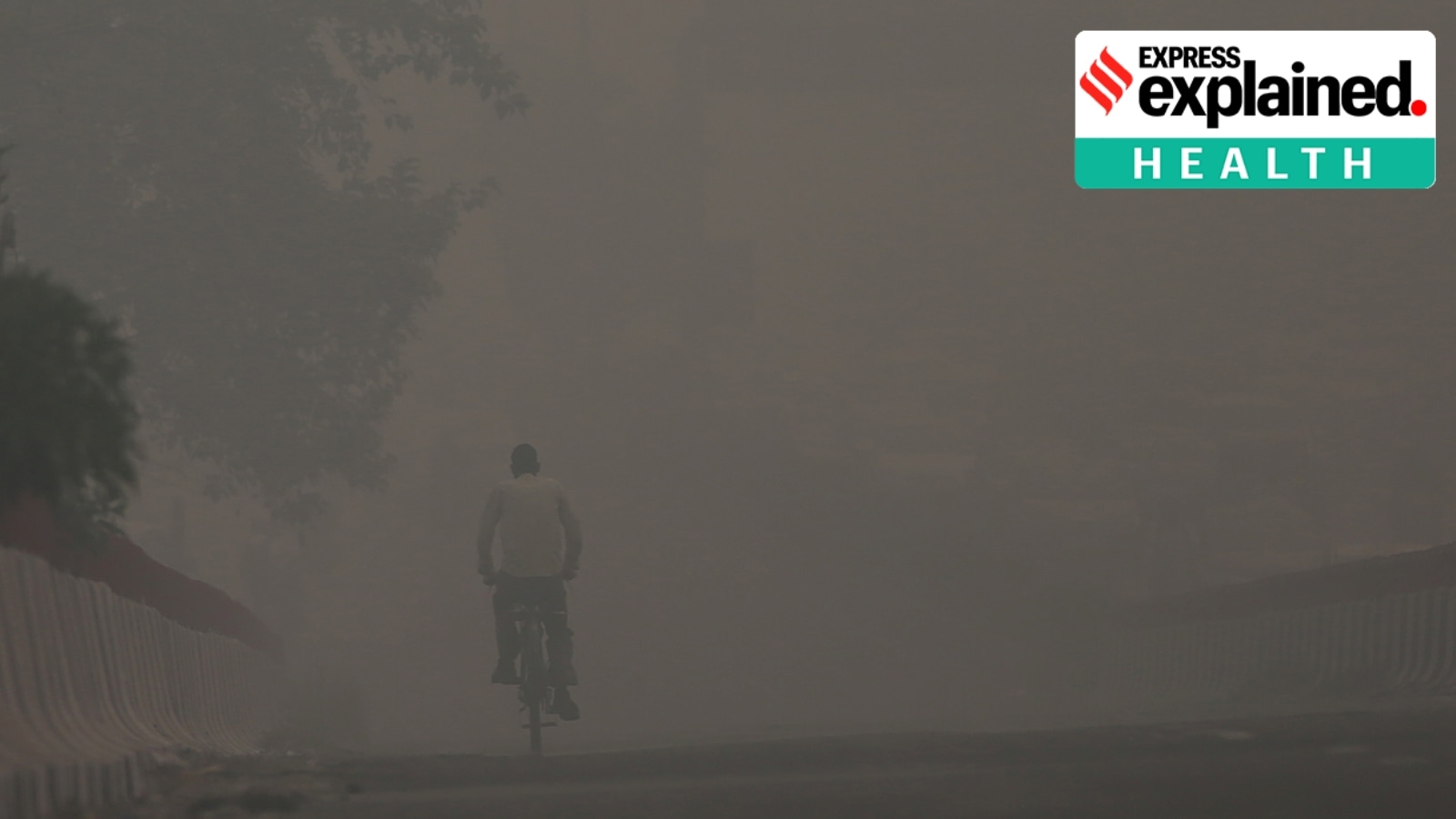
Imagine the air you breathe is filled with tiny particles.
A new study found that breathing polluted air for a long time can make it more likely for people to get dementia, a disease affecting memory and thinking.
These particles, like those from cars and factories, can harm the brain.
The study looked at many people and found that the more polluted air they breathed, the higher their chances of developing dementia.
This means clean air is important, and we need to work on reducing air pollution to help keep people healthy as they get older.

Study links long-term air pollution exposure to increased dementia risk.
The study reviewed 51 studies, involving over 29 million participants.
PM2.5 exposure increased dementia risk by 17% per 10 µg/m³.
NO2 exposure increased dementia risk by 3% per 10 µg/m³.
Soot exposure increased dementia risk by 13% per 1 µg/m³.
- Who
- The study involved over 29 million participants.
- What
- Study found link between air pollution and increased risk of dementia.
- When
- Published in The Lancet Planetary Health on Thursday, July 24.
- Where
- The study was conducted by Cambridge University researchers.
- Why
- Scientists believe air pollution causes inflammation in the brain, increasing dementia risk.
Public Health Concerns
Economic and Regulatory Concerns
Balancing Public Health and Economic Interests
Public Health Concerns
Air pollution directly threatens public health and necessitates proactive mitigation strategies, including stricter emissions standards and investments in clean energy to reduce particulate matter, like PM2.5 and Soot, and gasses such as NO2 that can increase the risk of dementia.
Economic and Regulatory Concerns
While acknowledging the potential health risks of air pollution, some argue that the study's findings require additional validation and should not be used as a basis for radical or overly costly policy changes that could disproportionately affect businesses or consumers, suggesting the emphasis should be on affordable solutions to address known risk factors.
- Study Focus
- Air pollution and dementia risk
- Study Participants
- Over 29 million
- PM2.5 Risk Increase
- 17% per 10 µg/m³
- NO2 Risk Increase
- 3% per 10 µg/m³
- Soot Risk Increase
- 13% per 1 µg/m³
- Study Publication
- The Lancet Planetary Health
- Dementia Cases Worldwide (2021)
- 57 million