Archive · 29 Dec 2025
Earth's Days Will Lengthen to 25 Hours
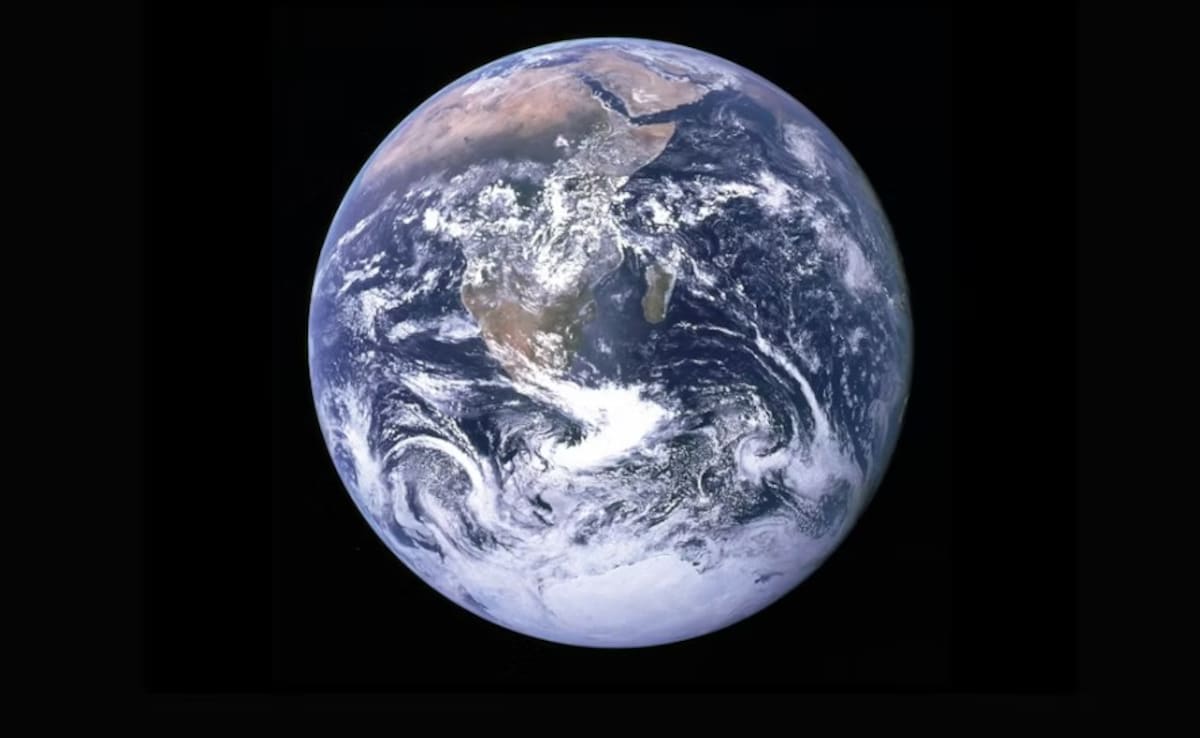
Scientists have discovered that Earth's days are getting longer, very slowly.
Right now, a day is 24 hours, but in about 200 million years, it will be 25 hours.
This is happening because the Moon's gravity is slowing down Earth's spin, like a brake on a spinning top.
Other things, like the movement of Earth's core and changes in the atmosphere, also play a small part.
Even though days are getting longer, it's such a tiny change that we won't notice it in our lifetime.
A long time ago, when dinosaurs were around, days were even shorter, about 23 hours.
If days ever get much longer, it could affect how our bodies work, but that won't happen for a very, very long time.

Earth's rotation is slowing down, lengthening days by 1.7 milliseconds per century.
In about 200 million years, a day on Earth will be 25 hours long.
The primary cause is tidal friction from the Moon's gravitational pull.
Other factors include core and mantle movements, glaciers, sea levels, and atmospheric conditions.
Historically, days were shorter, with dinosaur-era days lasting about 23 hours.
- Who
- Scientists and researchers studying Earth's rotation
- What
- Earth's days are lengthening due to the slowing of its rotation
- When
- The change will take approximately 200 million years to reach a 25-hour day
- Where
- Earth
- Why
- Due to tidal friction from the Moon and other geological and atmospheric factors
- Current Day Length
- 24 hours
- Future Day Length
- 25 hours
- Timeframe for Change
- 200 million years
- Daily Lengthening Rate
- 1.7 milliseconds per century
- Primary Cause
- Tidal friction from the Moon
- Other Influencing Factors
- Core and mantle movements, glaciers and sea levels, atmosphere and winds
- Historical Day Length
- 23 hours (during the dinosaur era)