

Archive · 15 Aug 2025
Aloo Posto: Opium Trade's Unexpected Legacy in Bengali Cuisine
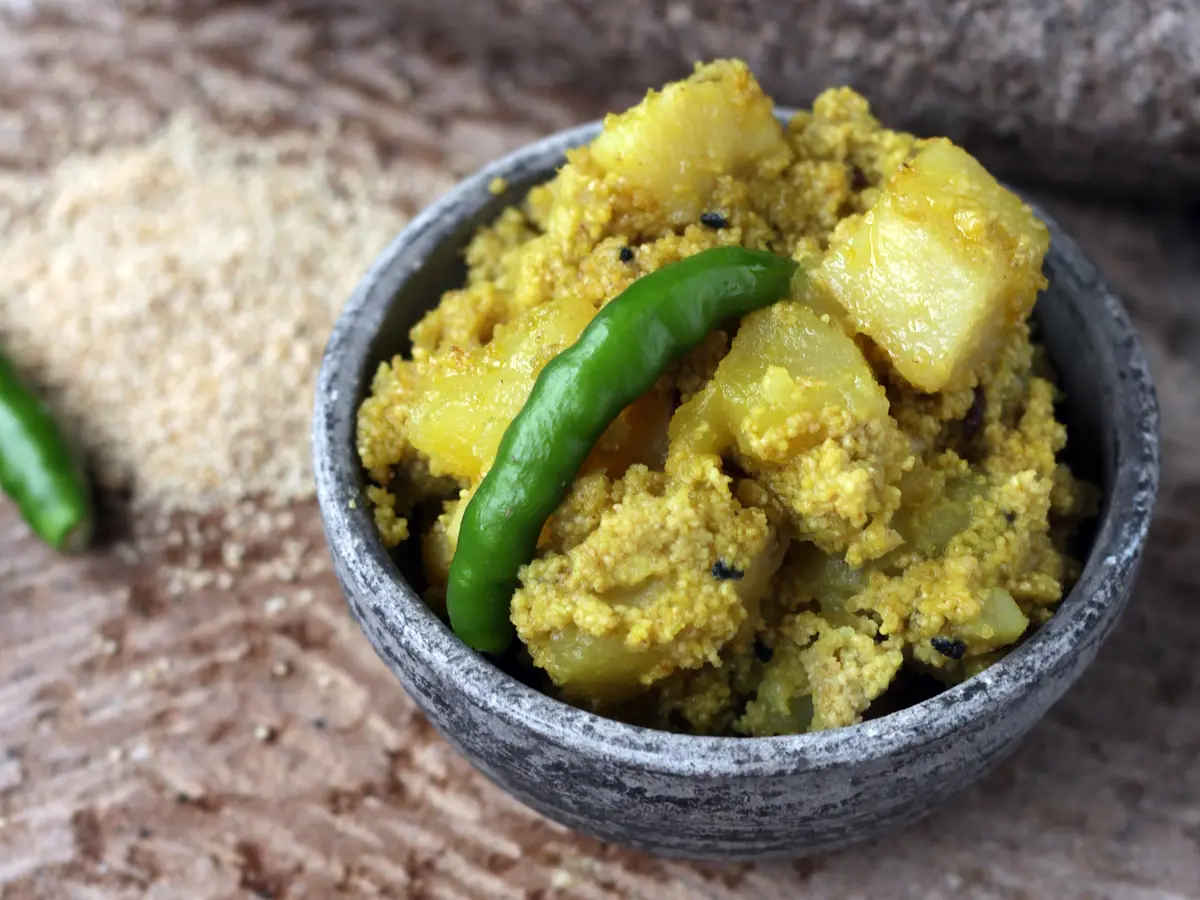
Imagine a very tasty potato dish called Aloo posto that's super popular in Bengal.
It uses poppy seeds, which have an interesting past.
Long ago, the British made farmers in India grow opium to sell in China.
The women in those farming families found a way to use the leftover poppy seeds in their food.
This created delicious dishes like Aloo posto, showing how people adapted and made the best of what they had, even when times were tough.

Aloo posto, a popular Bengali dish, has poppy seeds as a key ingredient.
Poppy seeds were introduced to India through the British opium trade.
The British forced farmers in Bengal to grow opium, which was sold in China.
Women in farming communities began using discarded poppy seeds in their cooking.
Aloo posto and other dishes using poppy seeds became staples in Bengali cuisine.
- Who
- British traders, Bengali farmers, and the people who developed and enjoyed the dish.
- What
- The history of Aloo posto, a popular Bengali dish made with poppy seeds.
- When
- The British opium trade, starting after the Battle of Plassey in 1757.
- Where
- Bengal, India, and China.
- Why
- The British forced opium cultivation for profit, inadvertently leading to the use of poppy seeds in Bengali cuisine.
British Colonial Rule
Adaptation of Bengali Community
Legacy of the Opium Trade
British Colonial Rule
Exploitation and economic control of India
Adaptation of Bengali Community
Unintentional introduction of an ingredient which evolved into popular cuisine.
- Dish
- Aloo Posto
- Main Ingredient
- Poppy seeds (Posto)
- Origin of Poppy Seeds
- British opium trade
- Primary Purpose of Opium
- Sold in Chinese black market as a drug
- Region of Opium Cultivation
- Bengal