

Archive · 24 Jul 2026
India's Strategic Shift to Electric Mobility
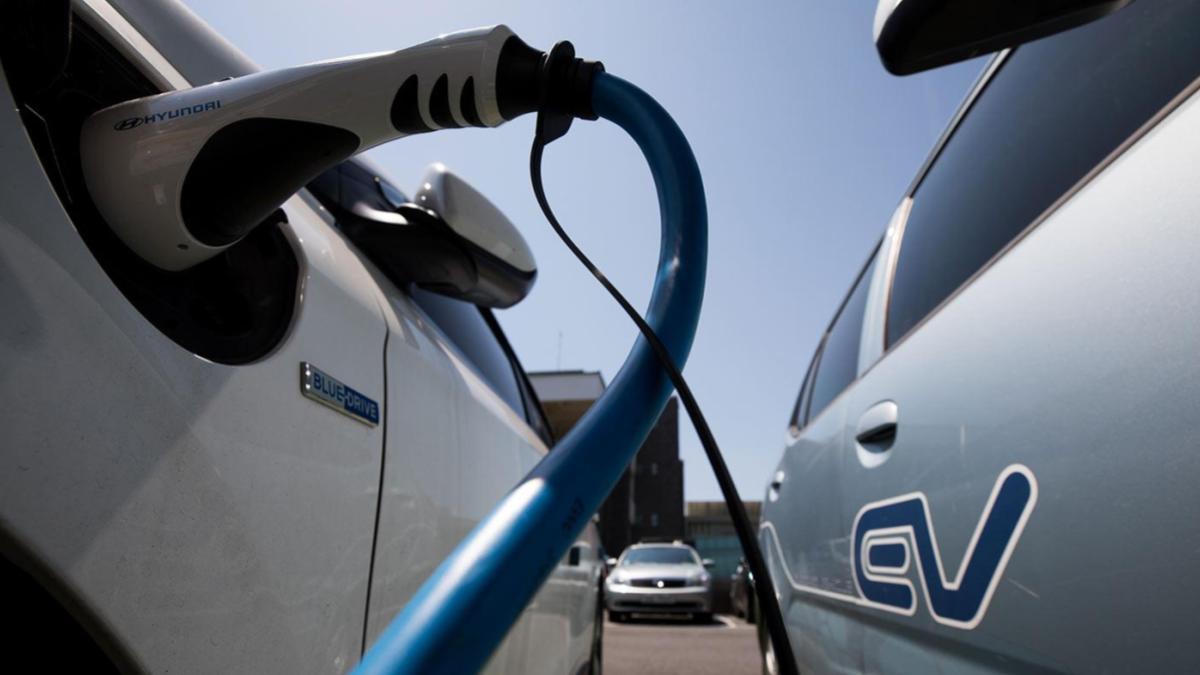
India is moving towards electric vehicles (EVs) to reduce its reliance on imported oil.
This shift is not just about saving money but also about creating jobs and building a self-sufficient transport system.
India already makes many small, affordable EVs that can be sold globally.
The transition also helps use solar energy more efficiently by storing it in EV batteries.
However, India still needs to improve its battery production and infrastructure to fully benefit from this change.

India imports 90% of its crude oil, spending 25% of its import bill on it.
Electric three-wheelers make up 70% of their segment in India.
The market for high-value EV components is projected to be 2 lakh crore by 2030.
India has committed 44,000 crore in production-linked incentives for EVs and batteries.
India aims to generate 500 gigawatts of clean energy by 2030, mostly from solar.
- Who
- India
- What
- Transition to electric mobility
- When
- Ongoing, with targets set for 2030
- Where
- India
- Why
- To enhance energy security, boost domestic manufacturing, and reduce dependency on imported oil.
Pro-Electric Mobility
Skeptical of Rapid Transition
Energy Security
Pro-Electric Mobility
Electric mobility reduces dependency on imported oil, enhancing energy security.
Skeptical of Rapid Transition
Rapid transition may strain infrastructure and require significant investment.
Economic Impact
Pro-Electric Mobility
Electric vehicles create high-value jobs and boost domestic manufacturing.
Skeptical of Rapid Transition
Initial costs and lack of infrastructure may hinder economic benefits.
- Crude Oil Import
- 90%
- Import Bill Allocation
- 25%
- Electric Three-Wheelers Market Share
- 70%
- High-Value Components Market
- 2 lakh crore by 2030
- Production-Linked Incentives
- 44,000 crore
- Clean Generation Target
- 500 gigawatts by 2030
- Battery Capacity Target
- 50 gigawatt hours
- Current Battery Capacity
- 1.4 gigawatt hours