Archive · 23 Jul 2026
RBI Plans Plastic Currency Trial After 15 Years
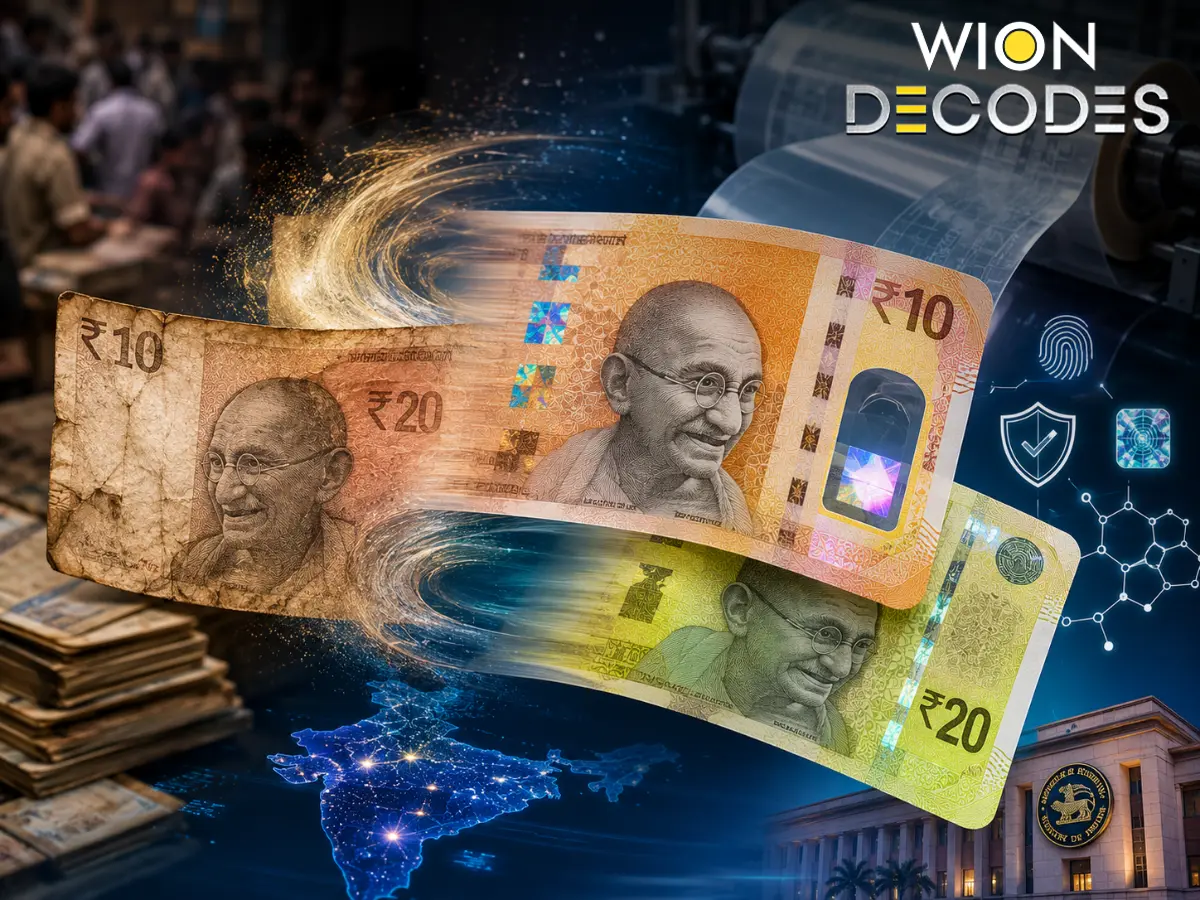
The Reserve Bank of India (RBI) is planning to trial plastic currency notes after a 15-year gap.
The tender for 3.4 crore polymer sheets was issued by BRBNMPL, indicating a serious intent this time.
Plastic notes are used in over 50 countries and are known for their durability, which can last two to six times longer than paper notes.
This longevity reduces the need for frequent production and disposal, leading to cost savings and environmental benefits.
The RBI has spent a significant amount on printing paper notes over the years, and plastic notes could help reduce these costs.
Additionally, plastic notes are more secure and harder to counterfeit.
However, there are concerns about the dependency on foreign suppliers for raw materials.
Despite the rise in digital payments, cash demand in India remains strong, making the trial of plastic notes relevant.
The RBI has existing facilities for producing paper and ink domestically, and a gradual shift to plastic notes would require further investment.

RBI plans to trial plastic currency notes after a 15-year gap.
Tender issued for 3.4 crore polymer sheets by BRBNMPL.
Plastic notes are more durable and have environmental benefits.
RBI has spent Rs 52,095 crore on printing paper notes in the last decade.
Plastic notes are more secure and harder to counterfeit.
Cash demand in India remains strong despite the rise in digital payments.
Concerns about dependency on foreign suppliers for raw materials.
- Who
- Reserve Bank of India (RBI) and its subsidiary Bharatiya Reserve Bank Note Mudran Pvt Ltd (BRBNMPL)
- What
- Plans to conduct a trial of plastic currency notes
- When
- Recent tender issued, with previous trials in 2012 and 2009
- Where
- India, with potential field trials in various climatic zones
- Why
- To evaluate the benefits of plastic notes over paper notes, including durability, cost savings, and environmental impact
Proponents of Plastic Notes
Critics of Plastic Notes
Environmental Impact
Proponents of Plastic Notes
Plastic notes are more durable and have a lower carbon footprint over their lifetime, reducing the need for frequent production and disposal.
Critics of Plastic Notes
The production of plastic notes requires non-renewable resources and poses environmental risks if not properly managed.
Security
Proponents of Plastic Notes
Plastic notes are more secure and harder to counterfeit compared to paper notes.
Critics of Plastic Notes
The initial cost and dependency on foreign suppliers for raw materials could pose security risks.
- Tender Issued By
- Bharatiya Reserve Bank Note Mudran Pvt Ltd (BRBNMPL)
- Polymer Sheets Required
- 3.4 crore
- Previous Trial Year
- 2012
- Countries Using Plastic Notes
- Over 50 countries, including Australia, UK, Canada, New Zealand, Thailand, Vietnam, Malaysia, and Singapore
- RBI's Annual Currency Production
- 8,270 crore pieces in the last three years
- RBI's Annual Currency Destruction
- 6,213 crore pieces in the last three years
- Counterfeit Notes Detected in 2025-26
- 2.3 lakh pieces
- Total Currency in Circulation (March 2026)
- Rs 41.7 lakh crore