Archive · 30 Sep 2025
Ganga River Drying Up: Unprecedented Climate and Human Impact
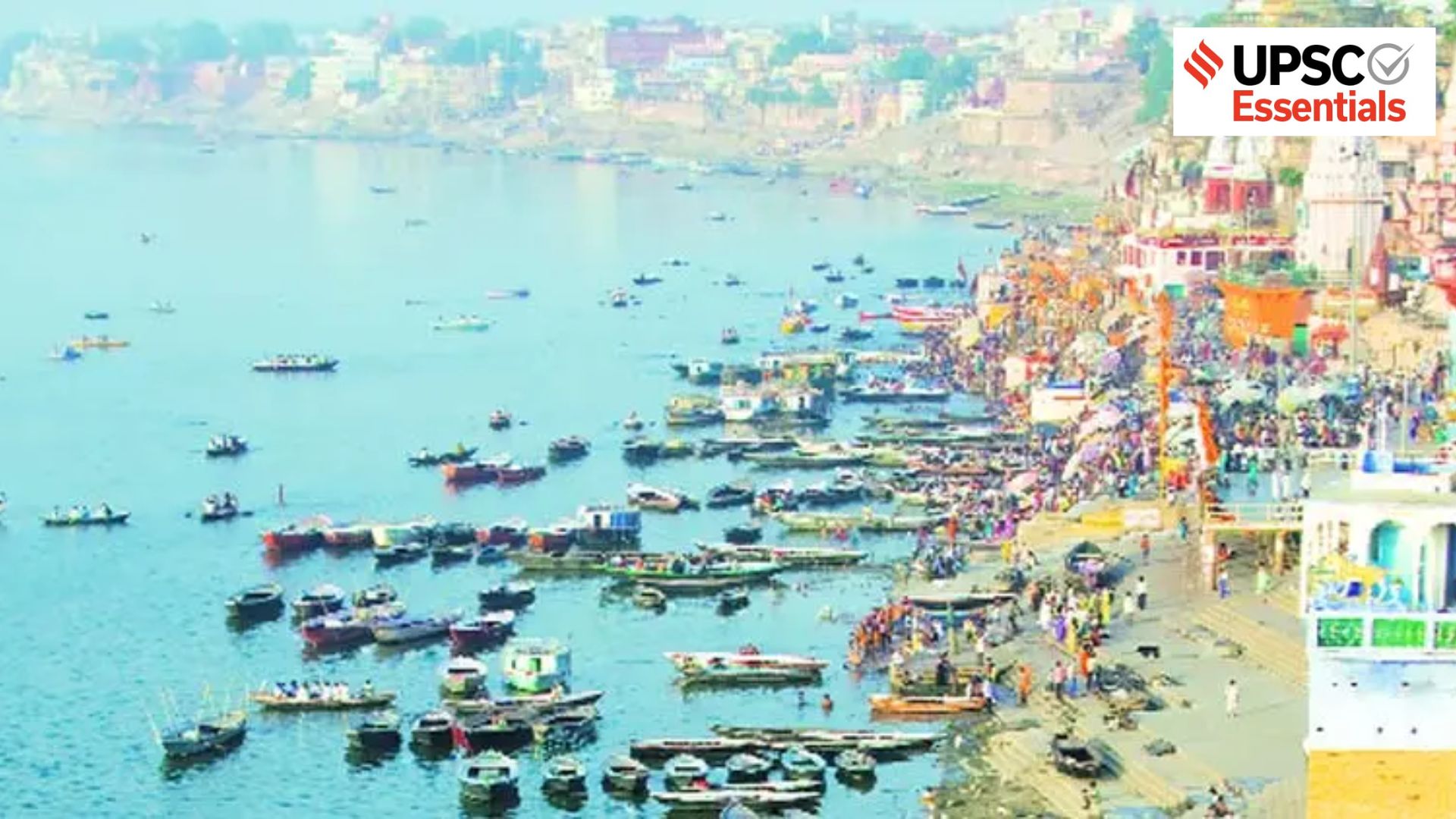
The Ganga River, vital for millions in South Asia, is shrinking faster than ever.
Climate change, altered rainfall, and overuse of the river's resources are the main causes.
The water flow is decreasing, making navigation and irrigation difficult.
Melting glaciers, which feed the river, are also contributing to this decline.
Overuse of groundwater and engineering projects also make the problem worse.
Urgent action is needed to save the Ganga, including reducing extraction and international cooperation.

The Ganga River is drying up at an unprecedented rate.
The river basin supports over 650 million people.
Climate change and human activities are major factors.
Glaciers at the river's source are melting rapidly.
Urgent action and cooperation are needed to address the issue.
- Who
- The Ganga River and its basin
- What
- Is drying up at an unprecedented rate.
- When
- Recent decades.
- Where
- South Asia, Himalayas to Bay of Bengal
- Why
- Due to climate change, shifting monsoons, extraction, and damming.
- Basin Population
- 650 million+
- Basin Area
- Stretches from Himalayas to Bay of Bengal
- Groundwater Depletion Rate
- 15-20 mm per year
- Dams and Barrages
- Over a thousand
- Glacier Retreat (Gangotri)
- Nearly 1 km in two decades