

Archive · 2 Jan 2026
Gen-Z and the Evolving Online Extremist Landscape
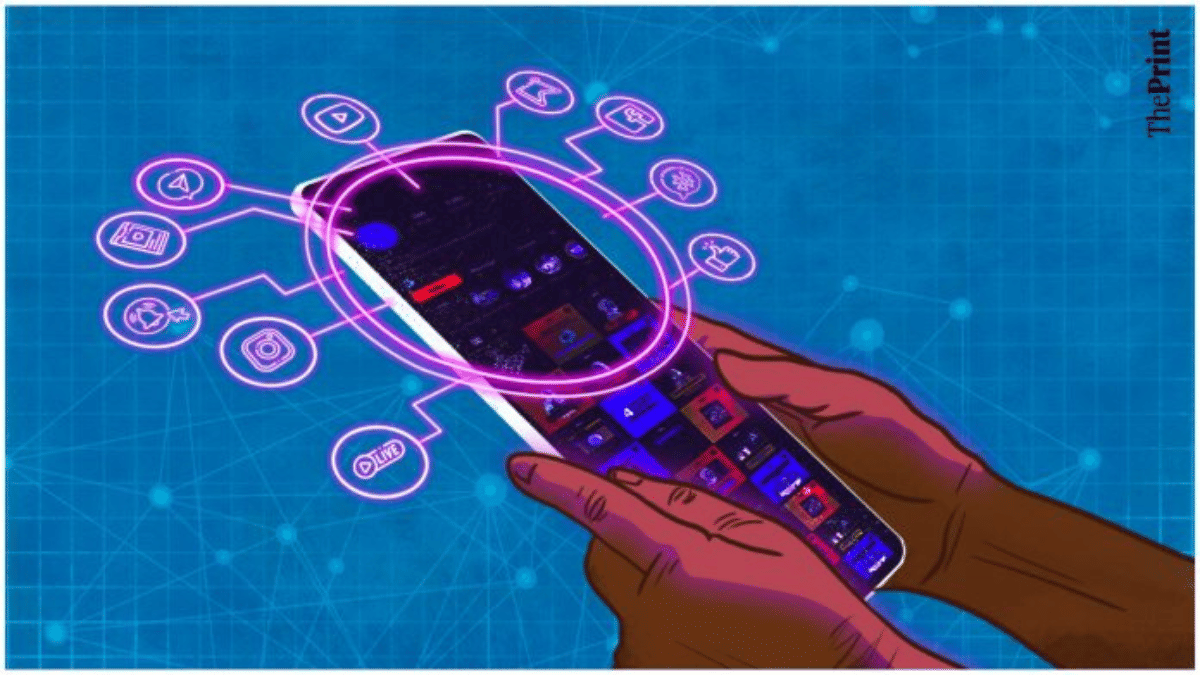
Teenagers born between 1997 and 2012, known as Gen-Z, are being targeted by extremist groups online.
These groups use popular platforms like TikTok, YouTube, and video games to make friends with teens and slowly introduce them to extreme ideas.
Some teens have even been inspired to commit violent acts after being radicalised online.
Governments are struggling to stop this because the internet is vast and ever-changing.
They are trying new ways to counter these threats, like using AI to create positive content and working with influencers to reach teens.
However, the problem is complex and involves not just ideology but also mental health and social issues.

Gen-Z teenagers are being radicalised online through platforms like TikTok, YouTube, and video games, with extremist recruiters exploiting their insecurities and desire for belonging.
The digital domain has enabled the transnationalisation of extremist beliefs, with cases of radicalisation leading to planned attacks in Singapore, Scotland, and Australia.
States' conventional counter-terror approaches, such as raids and de-radicalisation programs, are ineffective against the fast-paced, emotionally anchored narratives spread online.
Mental health challenges, social isolation, and digital dependency are key drivers of teenage radicalisation, often overlooked in counter-terrorism frameworks.
Extremist groups are using advanced technologies like AI-generated propaganda and 3D-printed weapons, making it harder for authorities to detect and prevent threats.
- Who
- Gen-Z teenagers (born between 1997 and 2012) and extremist recruiters
- What
- Radicalisation and violent extremism facilitated by digital platforms and technologies
- When
- Ongoing, with notable cases in 2021, 2025, and a 42% increase in investigations between 2021 and 2025
- Where
- Primarily in Europe, North America, Australia, and Singapore, with a focus on digital platforms like Discord, TikTok, and Roblox
- Why
- Due to the decentralisation and democratisation of the digital domain, which provides a sense of community, belonging, and purpose to vulnerable teenagers, often exacerbated by mental health challenges and social isolation
- Target Age Group
- 8-20 years old
- Key Platforms
- Discord, TikTok, YouTube, Roblox, Fortnite, Instagram, Telegram
- Radicalisation Drivers
- Mental health issues, social isolation, digital dependency
- Notable Cases
- 16-year-old in Singapore (2021), 18-year-old in Edinburgh (2025), 17-year-old in Canberra (2025)
- Increase in Investigations
- 42% surge in terror-related offences (2021-2025)
- AI's Role
- Used for creating extremist propaganda and counter-narratives
- Hybrid Threats
- Overlapping extremist ideologies with no clear attributes