

Archive · 15 Jun 2025
South Korean Scientists Reprogram Cancer Cells, Avoiding Chemo
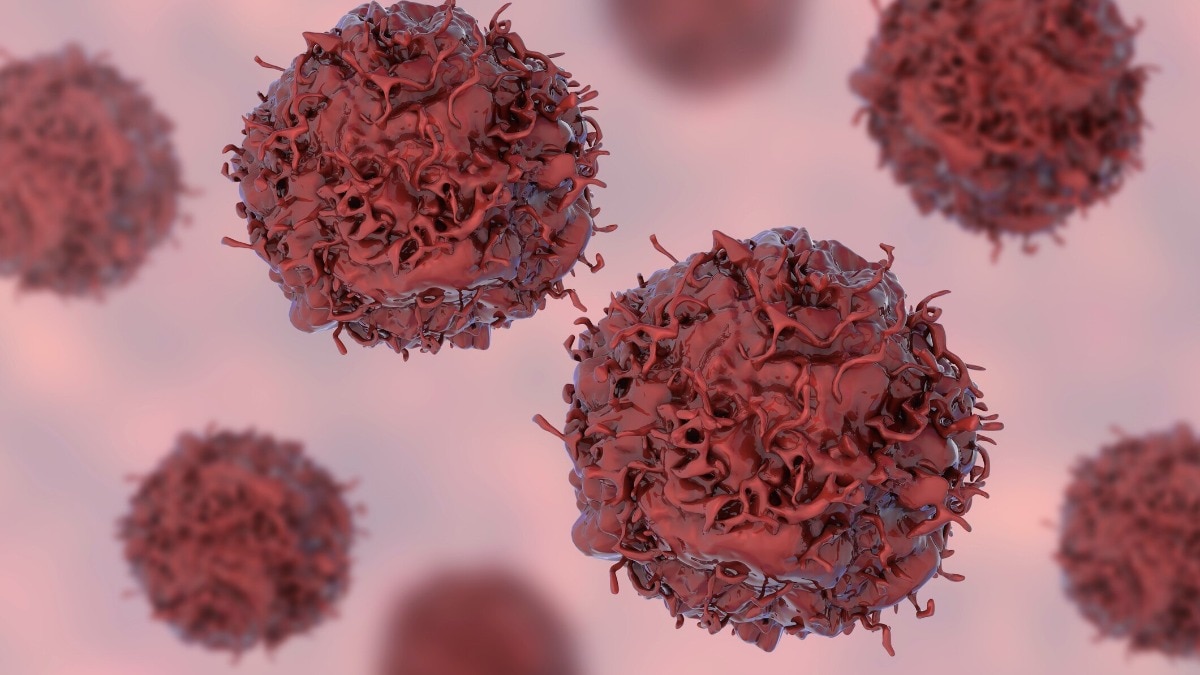
Imagine cancer cells as bad kids and healthy cells as good kids.
Scientists in South Korea found a way to make the bad kids behave like good kids again, without hurting them with harsh treatments like radiation or chemo.
They used a special computer program called BENEIN to understand how the cells work and then changed some key instructions.
This made the cancer cells act like normal, healthy cells, and the tumors they formed got much smaller.
This new method focuses on changing the cells themselves, rather than killing them.
While still in early stages, this approach could revolutionize how we treat cancer.

South Korean scientists have reprogrammed colorectal cancer cells into healthy cells without using radiation or chemotherapy.
Researchers from the Korea Advanced Institute of Science and Technology (KAIST) led the study.
The method utilizes a computational model, BENEIN, to identify and control key genes in cancer cells.
The research focused on the genes MYB, HDAC2, and FOXA2; suppressing these led to cancer cell differentiation.
The technique slowed tumor growth in lab-grown cells and animal models, showing potential for future treatments.
- Who
- Professor Kwang-Hyun Cho and his team at KAIST.
- What
- Scientists reprogrammed colorectal cancer cells into healthy cells.
- When
- The study was published on December 11, 2024.
- Where
- South Korea (KAIST)
- Why
- To develop a new cancer treatment that reprograms cancer cells to behave like normal cells instead of using destructive methods.
- Research Institution
- Korea Advanced Institute of Science and Technology (KAIST)
- Lead Researcher
- Professor Kwang-Hyun Cho
- Cancer Type Studied
- Colorectal Cancer
- Method
- Cellular Reprogramming via BENEIN computational model
- Target Genes
- MYB, HDAC2, and FOXA2
- Publication
- Advanced Science