

Archive · 21 Jan 2026
Kashmir's Kangri: A Centuries-Old Firepot Tradition
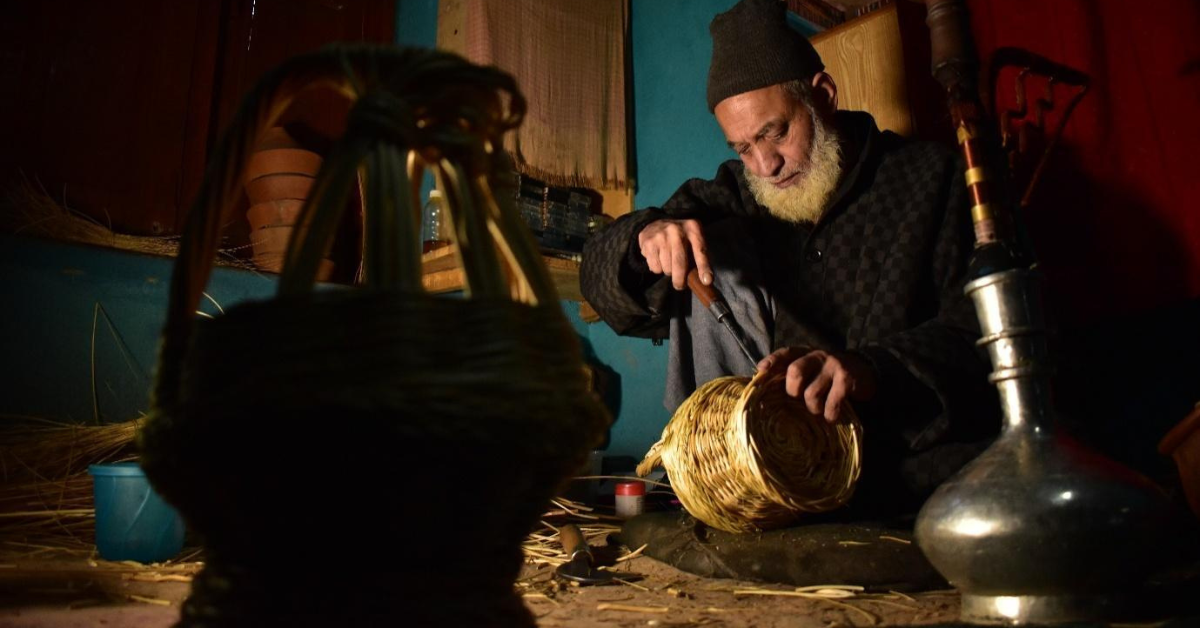
In Kashmir, a place known for its beautiful landscapes, winters can be extremely cold, with temperatures dropping to minus 20 degrees Celsius.
To stay warm, people have been using a traditional firepot called a kangri for centuries.
The kangri is made of clay and wrapped in a woven willow casing.
It is filled with glowing embers and kept close to the body under a long woollen cloak called a pheran.
The kangri is not just a source of heat; it is also used to heal frostbite and is deeply woven into the daily life and culture of Kashmiris.
Artisans like Manzoor Ahmad, who weaves the willow casing, and Ghulam Qadri Kumar, who shapes the clay core, work hard to create these firepots.
However, the tradition is facing challenges as younger generations are less interested in the labor-intensive craft.
Despite this, the kangri remains a vital part of Kashmiri life, symbolizing resilience and the enduring power of tradition.

The kangri is a traditional earthen firepot used by Kashmiris to stay warm during harsh winters, with temperatures dropping to minus 20 degrees Celsius.
It is made of clay and wrapped in a woven willow casing, filled with glowing embers and kept close to the body under a pheran.
Artisans like Manzoor Ahmad and Ghulam Qadri Kumar craft the kangri, facing challenges such as declining interest among younger generations and competition from cheaper plastic alternatives.
The kangri is not only a source of heat but also used for healing frostbite and is deeply embedded in Kashmiri culture and daily life.
Despite modern alternatives, the kangri remains a vital part of Kashmiri life, symbolizing resilience and the preservation of cultural heritage.
- Who
- Residents of Kashmir, particularly artisans like Manzoor Ahmad, Ghulam Qadri Kumar, and Ali Mohammad Dar
- What
- The kangri, a traditional earthen firepot used for warmth and healing
- When
- During winter, especially from late December to early January
- Where
- Kashmir, specifically in regions like Srinagar, Ganderbal, and Pakherpora
- Why
- To provide warmth and resilience during harsh winters, and to preserve cultural heritage
- Temperature in Kashmir
- Drops to minus 20 degrees Celsius in winter
- Kangri Composition
- Earthen firepot with a willow casing
- Artisan Work
- Made by willow weavers and potters
- Usage
- Used for warmth and healing frostbite
- Cultural Significance
- Symbol of resilience and tradition
- Challenges
- Declining interest among younger generations
- Government Role
- Potential to ban plastic to support traditional industry
- Sales
- Sold across Kashmir and Delhi