

Archive · 24 Aug 2025
India's Ethanol Push: Progress Amidst Sustainability Concerns
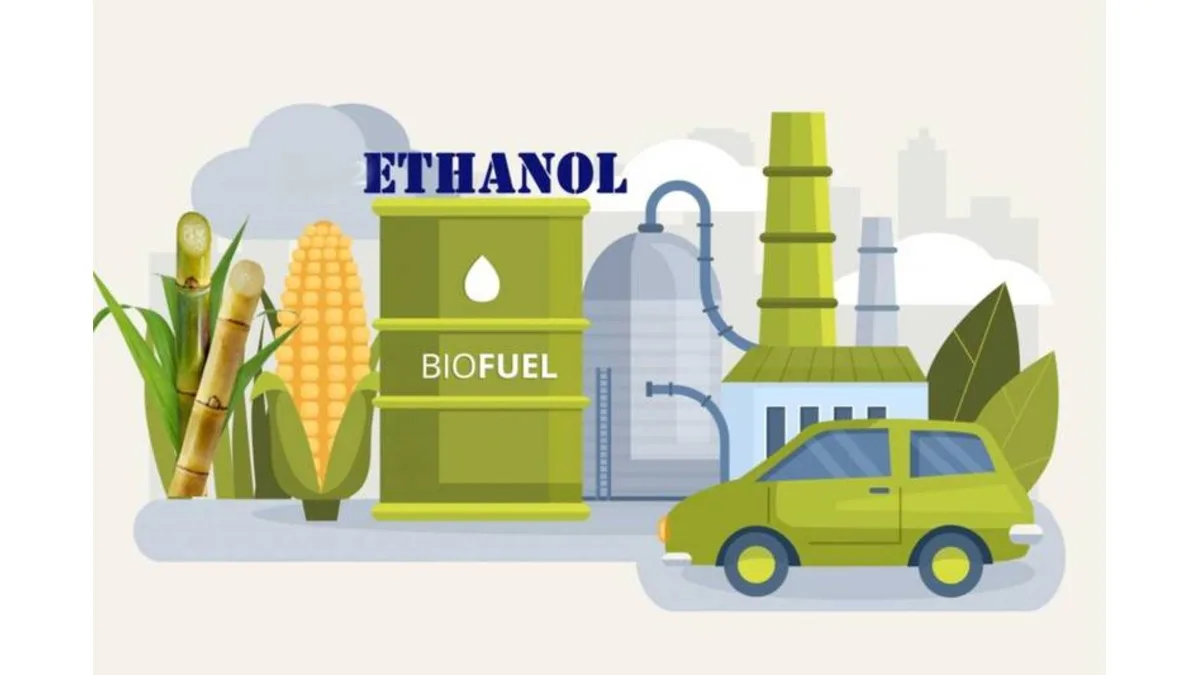
India is mixing more ethanol (made from plants) into gasoline to help the environment and use less oil.
This is happening faster than planned.
It's good because it reduces pollution and saves money on importing oil.
However, ethanol can make cars use more fuel, costing drivers more.
Also, making ethanol uses crops like sugarcane and corn, which might cause food shortages in a country where many people are poor.
This means India needs to be careful about using food for fuel so there's enough food for everyone and protect the environment.

India fast-tracked ethanol blending into petrol, reaching E20 ahead of schedule.
This move aims for energy security, reduced emissions, and lower oil import costs.
Ethanol's lower energy density may decrease mileage, increasing costs for drivers.
Ethanol production relies on crops like sugarcane, raising food security concerns.
Policymakers face a balancing act between climate commitments and sustainability.
- Who
- India's policymakers.
- What
- India fast-tracked the blending of ethanol into petrol.
- When
- The E20 blend was reached five years ahead of schedule.
- Where
- India.
- Why
- To improve energy security, reduce carbon emissions, and lower oil import costs.
Advocates for Expansion
Advocates for Caution
Pace of Implementation
Advocates for Expansion
Supports the rapid expansion of ethanol production and blending.
Advocates for Caution
Cautions against rapid expansion of ethanol production.
Priorities
Advocates for Expansion
Focuses on the immediate benefits such as reduced emissions.
Advocates for Caution
Concerned about long term impacts on food security and the environment.
Impact
Advocates for Expansion
Emphasizes the potential for biofuel to help India transition towards clean energy.
Advocates for Caution
Highlights the risks of diverting crops to biofuel production.
- Ethanol Blend Achieved
- E20 (20% ethanol)
- Goal
- Energy Security & Climate Responsibility
- Potential Negative
- Decreased Mileage
- Crops Used
- Sugarcane, Maize, Rice
- Concerns
- Food Security, Environmental impact