

6 hrs ago
India’s Richest Families Bet on Green Energy; Investors Have Options

India’s richest business families are putting money into cleaner energy such as solar and wind power.
The article says ten established business groups are making this change.
People can take part by buying shares or mutual funds, or by investing in green bonds.
Households can also put solar panels on their roofs, with help from a government subsidy scheme.
The article gives different subsidy amounts depending on the size of the solar system.
Electric vehicles may also cost less to run than petrol vehicles, according to the article.
But investments can lose value, and some energy projects take years to develop.
People should choose options that match how much risk they can handle and how long they can leave their money invested.

The M3M Hurun India Rich List 2026 identifies 10 established business groups expanding into green energy.
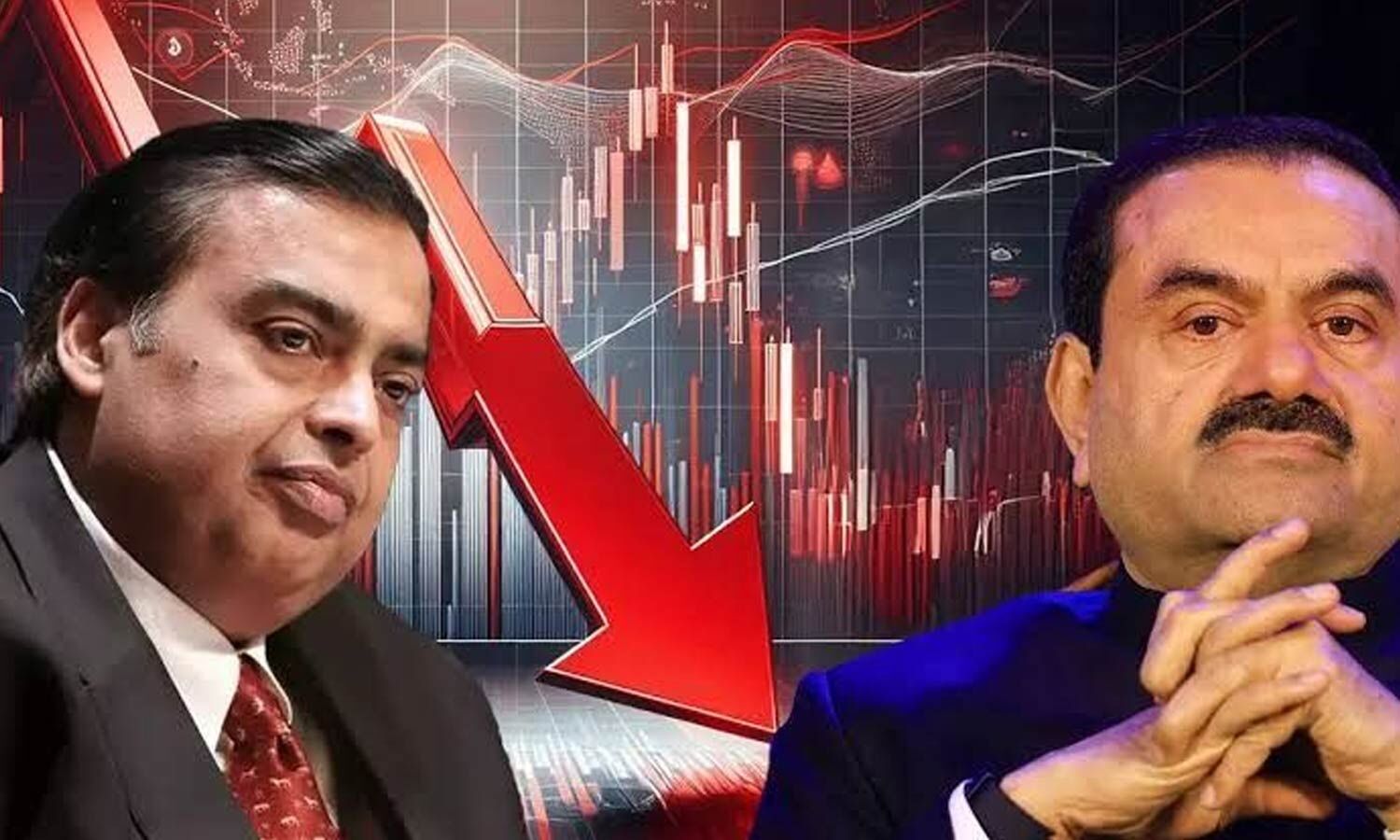
Gautam Adani’s family leads the group with wealth of ₹9,22,800 crore, followed by Mukesh Ambani’s family at ₹8,63,400 crore.
Investors can consider listed company shares, energy-focused mutual funds, green bonds, rooftop solar and electric vehicles.
The PM Surya Ghar scheme offers subsidies of up to ₹78,000 for a 3 kW rooftop solar system.
The article warns that shares and sector-focused funds carry risks, while green infrastructure investments may require a 5–10-year horizon.
- Who
- Ten established Indian business groups, including the Adani and Ambani families, are expanding into green energy; the article also outlines options for individual investors.
- What
- The article describes business-family investments in clean energy and ways individuals can invest or adopt it.
- Where
- India.
- When
- The M3M Hurun India Rich List 2026 is cited; no specific date for the investments is given.
- Why
- Established businesses are expanding into solar, wind and other clean energy, while individuals are offered ways to participate and potentially reduce household energy costs.
Potential benefits
Risks and limitations
Green-energy shares and funds
Potential benefits
They offer exposure to companies and projects involved in renewable energy and related businesses.
Risks and limitations
Individual shares can fluctuate sharply, and energy-focused funds depend heavily on one sector; regulations, land delays and debt can affect companies.
Rooftop solar
Potential benefits
Subsidies can help lower installation costs, and solar panels may reduce electricity bills over time.
Risks and limitations
Systems require upfront spending, and the article gives cost-recovery estimates ranging from two to six years depending on system size.
Green investments overall
Potential benefits
Green bonds can provide fixed income, and sovereign green bonds are backed by the Indian government, according to the article.
Risks and limitations
Green infrastructure can take years to develop, so investors may need to keep money committed for five to ten years.
Key facts
- Groups identified
- 10 established business groups, according to the M3M Hurun India Rich List 2026
- Adani family wealth
- ₹9,22,800 crore
- Ambani family wealth
- ₹8,63,400 crore
- Investment routes
- Company shares, mutual funds, green bonds, rooftop solar and electric vehicles
- PM Surya Ghar subsidy
- Up to ₹30,000 for 1 kW, ₹60,000 for 2 kW and ₹78,000 for 3 kW systems
- Estimated rooftop system costs before subsidy
- ₹60,000–₹80,000 for 1 kW; ₹1.2 lakh–₹1.6 lakh for 2 kW; ₹1.8 lakh–₹2.4 lakh for 3 kW
- Suggested investment horizon
- The article says green infrastructure may require a 5–10-year investment period
Sources
Related news
Gautam Adani Reclaims Top Spot in India Rich List

Adani Reclaims India’s Richest Spot as AI Wealth Surges

Brookfield Invests $600 Million in ACME Green Molecules

Jefferies Names Five Indian Stocks With 31%-53% Upside

Navitas Solar Plans ₹10,000-Crore Renewable Energy Expansion Across Gujarat, Maharashtra

Accel, Peak XV Top Cheetah Rankings as Premji Enters Top 10

Capital-Market Stocks Rise Despite Broader Market Sell-Off

Sensex Surges 685 Points as Nifty Reclaims 22,750 Ahead of RBI Policy

Infosys to Announce Q2 FY27 Results on October 23

Dove Soft IPO Closes Subscribed 1.36 Times
