

Archive · 1 Jan 2026
Allahabad High Court Acquits 3 After 38 Years

Three men were in jail for 38 years for a murder they didn't commit.
The court said the police didn't have enough proof to show they were guilty.
The judge found many problems with the evidence and said the men were punished based on guesses, not facts.
The court decided to let the three men go free.
The judge said the murder happened in the dark, far from the village, and it was likely done by someone else.
The court also said the witnesses' stories didn't match the medical evidence, which made the case weak.
The men were told they could go home but had to promise to come back if the government wanted to challenge the decision.

Three men were acquitted after serving 38 years in prison for a murder they were convicted of in 1987.
The Allahabad High Court found the prosecution's case riddled with 'conjectures' and lacking evidence.
The court noted discrepancies between eyewitness accounts and medical evidence, including the nature of injuries.
The judge highlighted inconsistencies in the FIR and the behavior of the informant and his uncle.
The court directed the immediate release of the three men, subject to personal bonds for appearance if the state challenges the acquittal.
- Who
- Amrit Lal, Harish Chandra, Kallu
- What
- Acquittal in a 38-year-old murder case
- When
- December 18
- Where
- Bhadri village, Prayagraj
- Why
- Prosecution failed to prove charges beyond reasonable doubt
- Accused Names
- Amrit Lal, Harish Chandra, Kallu
- Location of Crime
- Bhadri village, Prayagraj
- Date of Crime
- July 8, 1982
- Original Sentence
- Life Imprisonment
- Date of Acquittal
- December 18
- Judge's Name
- Sanjiv Kumar, J J Munir
- Charges Filed Under
- Murder
Sources
J&K court acquits 3 accused tried for ‘terror’ activities

Jammu and Kashmir court acquits three in terror case, cites gaps in prosecution evidence
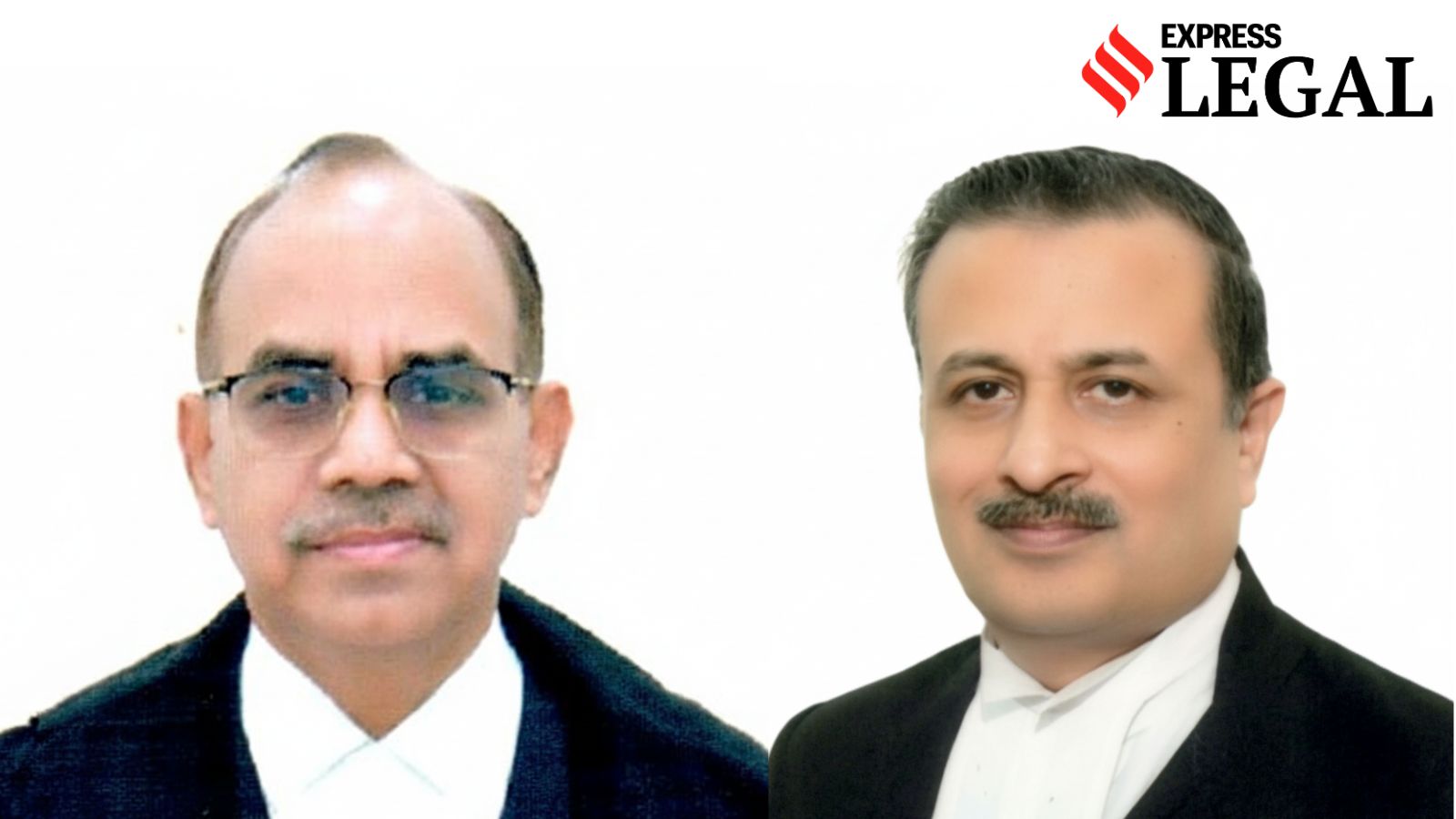
38 years on, 3 life convicts freed: Allahabad High Court calls it ‘blind murder’, says punishment based on ‘conjectures’

J&K court acquits three in terror case, points to ‘shortcomings’ in prosecution evidence
