Archive · 5 Nov 2025
Finance Ministry to Discuss Food Subsidy Bill with Food Ministry

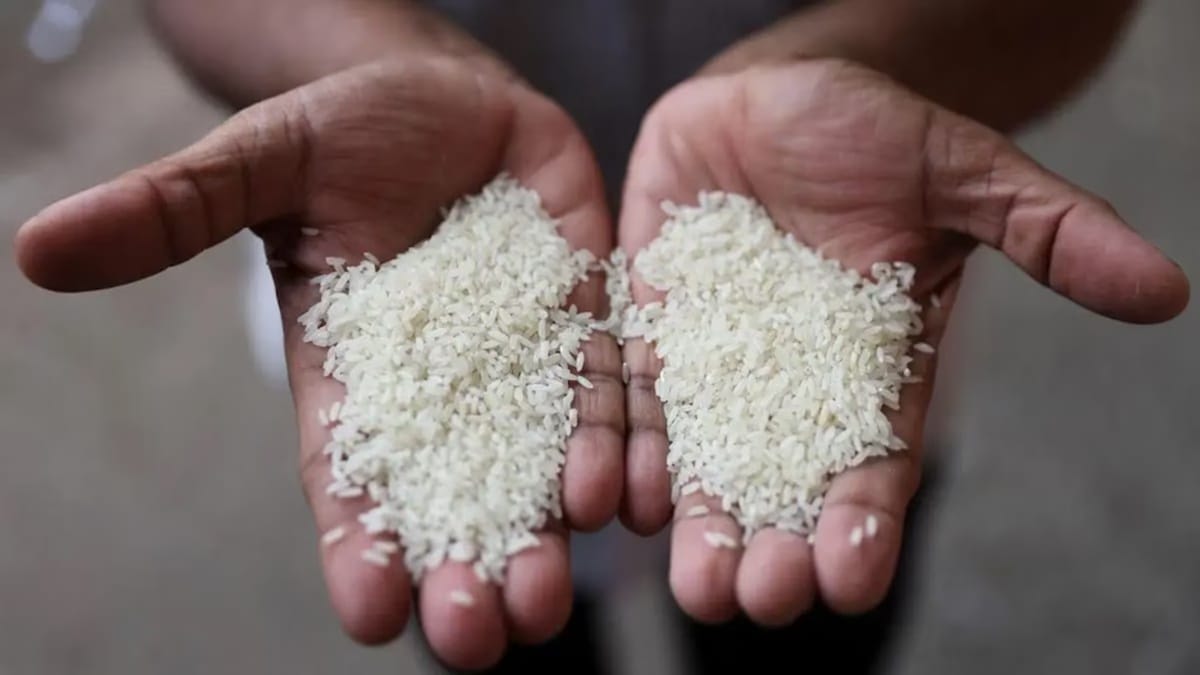
The government spends a lot of money to provide subsidized food, mainly for poor families under a program called the National Food Security Act (NFSA).
However, the government also uses rice for other things like selling it in the open market or making biofuels, which also costs money.
The finance ministry thinks these extra costs shouldn't be counted as part of the main food subsidy because they are too high.
They want to find ways to reduce these costs, like selling less rice in the open market or not using as much for biofuels.
The food ministry, on the other hand, is asking for more money for the subsidy because the cost of storing and handling all the rice and wheat the government buys from farmers has gone up.
This is because farmers are producing more grain than needed, leading to large stockpiles.
Both ministries will meet to discuss how to manage these expenses and the large amount of grain the government is holding.

The Finance Ministry is meeting with Food Ministry officials to discuss a proposed 10-15% increase in the food subsidy budget for FY26.
The Finance Ministry wants to exclude expenses from open market sales of rice and the grain-based ethanol blending program from the food subsidy bill.
Rising food subsidy costs are attributed by the Food Ministry to annual Minimum Support Price (MSP) increases and open-ended procurement leading to surplus grain stocks.
The Food Corporation of India (FCI) has significantly higher rice stocks than buffer levels, leading to increased expenditure projections for FY26.
Discussions will focus on ways to reduce grain stocks held by FCI and manage overall food subsidy expenses.
- Who
- Finance Ministry and Food Ministry officials
- What
- Discussing rising food subsidy expenses and a proposal to hike the food subsidy budget for FY26, including the potential exclusion of non-NFSA rice costs from the subsidy bill.
- When
- Thursday (upcoming meeting for FY26 discussions)
- Where
- India
- Why
- To address concerns about the rising food subsidy bill and manage the Food Corporation of India's (FCI) expenses, particularly due to surplus grain stocks.
Finance Ministry
Food Ministry
Scope of Food Subsidy
Finance Ministry
Wants to exclude expenses related to open market sales of rice and the grain-based ethanol blending program from the food subsidy budget, suggesting they be reduced by measures like lowering grain stocks and increasing open market prices.
Food Ministry
Proposes a 10-15% hike in the food subsidy budget for FY26, attributing rising costs to annual MSP increases for rice and wheat, and open-ended procurement leading to surplus stocks.
Management of Surplus Grain Stocks
Finance Ministry
Suggests measures to reduce grain stocks and use less subsidized grain for biofuels to curb subsidy expenses.
Food Ministry
Points to annual MSP increases and open-ended procurement as reasons for surplus grain stocks and increased economic costs for handling grains.
- Proposed Food Subsidy Budget Increase for FY26
- 10% to 15% from Rs 2.03 lakh crore
- Estimated Additional Subsidy Expenses for Non-NFSA Activities
- Around Rs 20,000 crore
- Economic Cost of Rice (FY26 Projected)
- Rs 41.73/kg
- FCI Supply Price for Ethanol Manufacturers (Rice)
- Rs 23.2/kg
- FCI Supply Price for Open Market Sale (Rice)
- Rs 28/kg
- FCI Rice Allocation for Non-NFSA Activities (FY26)
- 10.6 million tonne
- Central-pool Rice Stock (October 1)
- Over 44 MT (Buffer 10.25 MT)
- FCI Projected Expenditure (FY26)
- Rs 1.7 lakh crore (revised upward from Rs 1.4 lakh crore BE)