

Archive · 17 Sep 2026
EU Pitches Canada as First Associate Member Amid Global Tensions
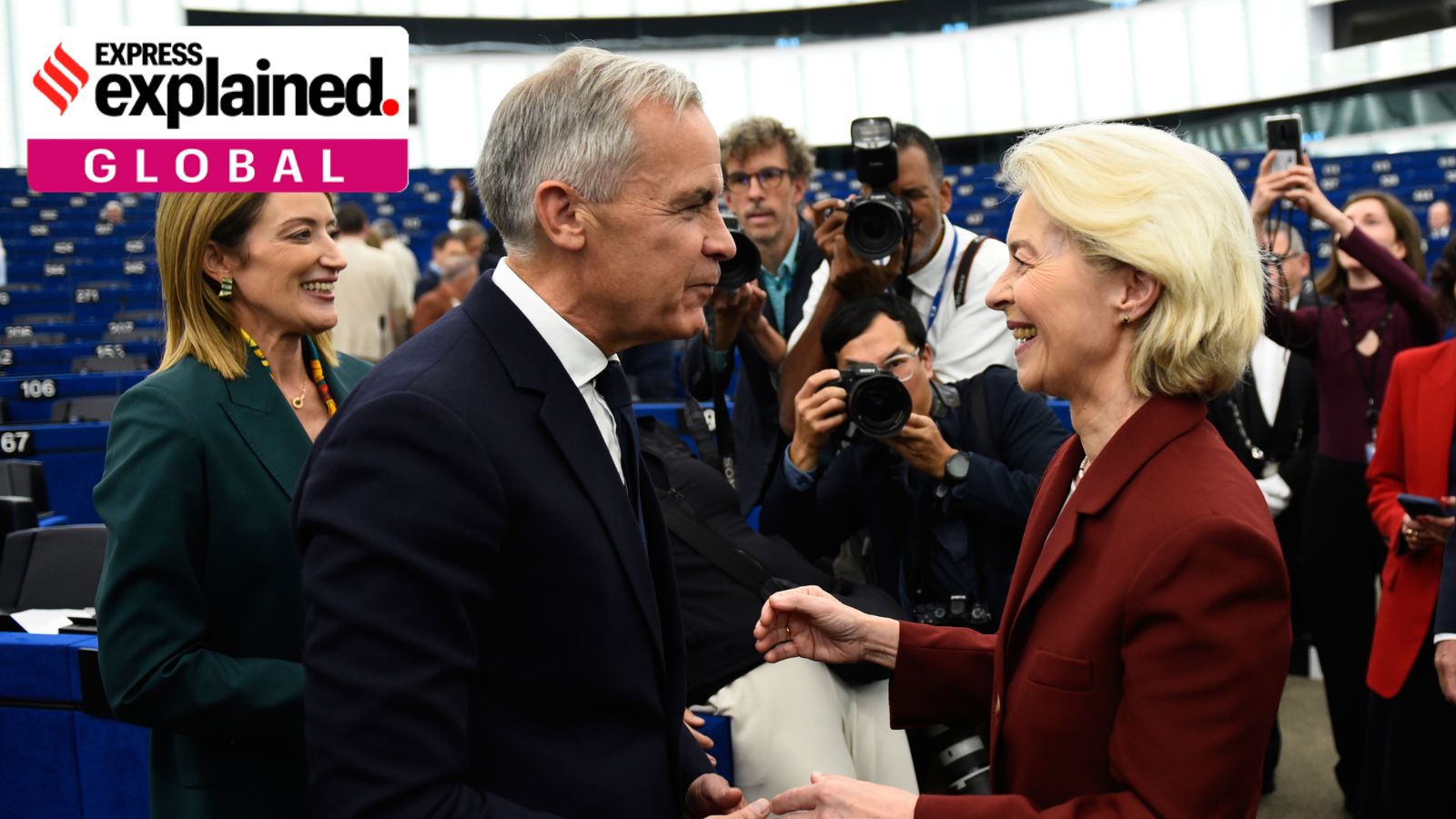
The European Union wants to explore a much closer relationship with Canada.
Ursula von der Leyen suggested that Canada could become the EU’s first associate member.
This would not be the same as becoming a full EU member.
Canada’s prime minister wants a special alliance, but he has said Canada is not seeking full membership.
The two sides could work together on technology, defence, energy, minerals, manufacturing and the Arctic.
The EU’s treaties do not currently explain what an associate member is.
EU countries would have to decide whether to approve the idea.
Some people support it because Canada and Europe face pressure from the United States and China.
Others say the plan is unclear, legally complicated and could give Canada special treatment.

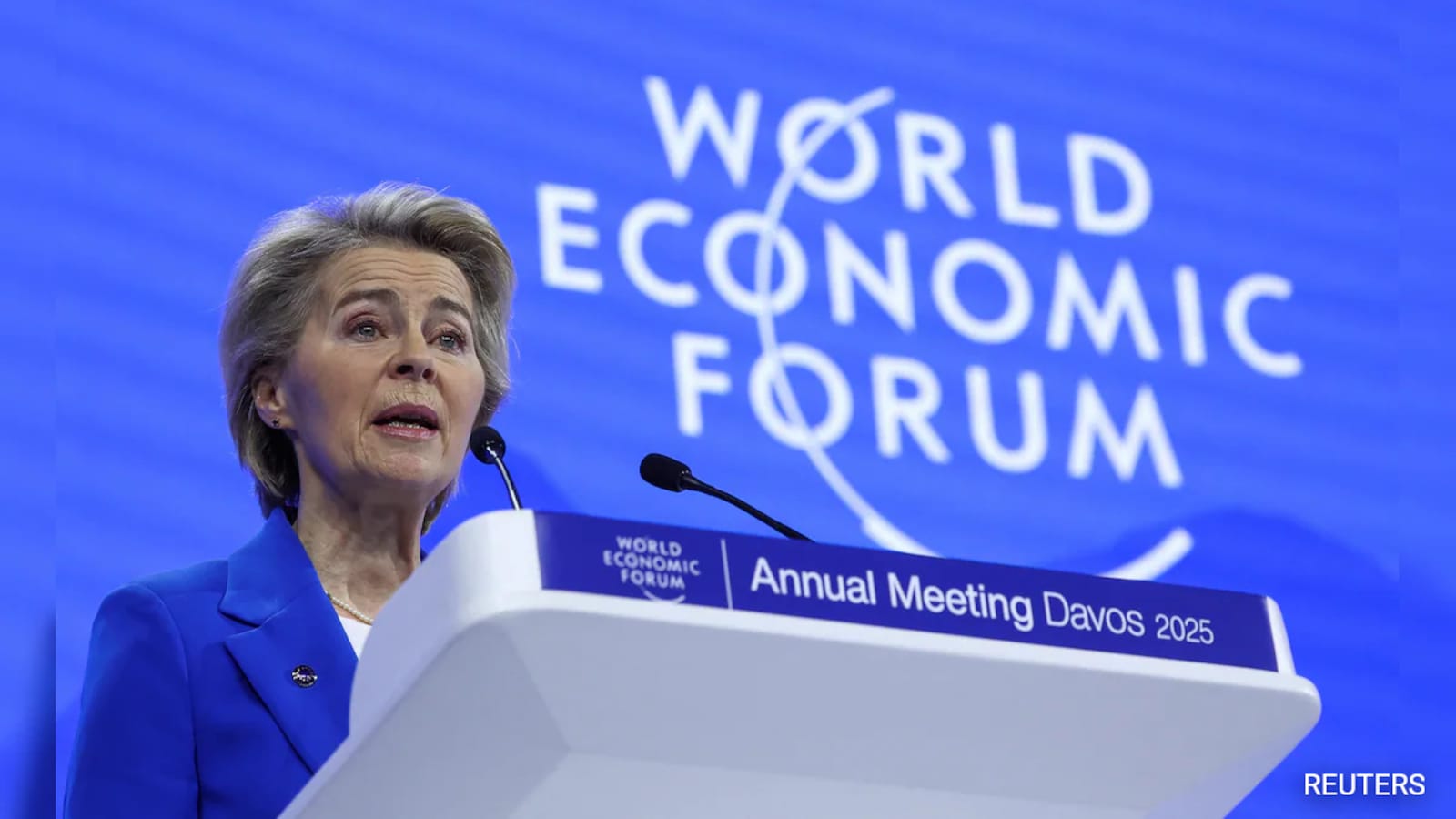
European Commission President Ursula von der Leyen proposed opening the door for Canada to become the EU’s first associate member.
Canadian Prime Minister Mark Carney is seeking a “unique alliance” with the EU, not full membership.
Potential cooperation could cover technology, manufacturing, defence, the Arctic, artificial intelligence, energy and critical minerals.
Associate membership has no defined status in EU treaties, and any arrangement would require approval from EU member states.
Supporters see closer ties as a response to US and Chinese pressure, while critics question the proposal’s legal basis, substance and democratic mandate.
- Who
- European Commission President Ursula von der Leyen proposed the idea to Canadian Prime Minister Mark Carney; EU member states would decide whether it proceeds.
- What
- The EU is considering an associate-member relationship with Canada that would deepen cooperation without full membership.
- When
- Von der Leyen made the proposal on Wednesday, September 16; further discussions were expected at an EU-Canada summit in Montreal in late October.
- Where
- The proposal was made at the European Parliament in Strasbourg, France.
- Why
- The EU and Canada want stronger economic, security and democratic ties amid US tariffs and pressure, Chinese competition and concerns about the international rules-based order.
Supporters of a Closer Alliance
Skeptics and Critics
Strategic purpose
Supporters of a Closer Alliance
Supporters say Canada and the EU share democratic values, strategic interests and concerns about US pressure, Chinese competition and the weakening rules-based order.
Skeptics and Critics
Critics question whether the proposal has a clear purpose, with one EU diplomat saying that nobody really knows what associate membership would mean.
Legal and institutional framework
Supporters of a Closer Alliance
Supporters envision a flexible partnership covering trade, technology, defence, energy, critical minerals and the Arctic without requiring Canada to join the EU fully.
Skeptics and Critics
Critics note that associate membership has no treaty basis, could be legally complex and would require support from EU member states. Treaty changes would require unanimity and domestic ratification.
Fairness and democratic authority
Supporters of a Closer Alliance
Supporters say a special arrangement could expand cooperation while allowing Canada to retain its separate status and respond to shared challenges.
Skeptics and Critics
Critics warn that Canada could receive special treatment compared with European candidate countries, while access to the Single Market could make it a rule-taker without voting rights. Some lawmakers also questioned von der Leyen’s democratic mandate.
- Proposed status
- Canada could become the European Union’s first associate member.
- Canada’s position
- Mark Carney is seeking a “unique alliance,” not full EU membership.
- Potential cooperation
- Technology, manufacturing, defence, the Arctic, artificial intelligence, energy, critical minerals, batteries, cybersecurity and economic security.
- Legal position
- EU treaties do not currently define an associate-member status.
- Approval process
- EU member states would decide whether and how the proposal proceeds; treaty changes would require unanimity and domestic ratification.
- Existing trade framework
- The EU and Canada already have the Comprehensive Economic and Trade Agreement, or CETA, which provisionally entered into force in 2017.
- Trade figures
- EU-Canada trade in goods and services reached €130 billion in 2025, compared with €72.1 billion in 2016, according to the reports.
- Single Market issue
- Canada would need to align its regulations with EU law for Single Market access and could become a rule-taker without voting rights.
Sources

EU’s von der Leyen wants Canada to become bloc’s first associate member
"Alliance For Future": EU Chief Pitches Associate Member Status For Canada
EU chief wants Canada to become an ‘associate member’. What does that mean?
Explainer-EU chief wants Canada to become an ‘associate member’. What does that mean?