Archive · 18 Sep 2025
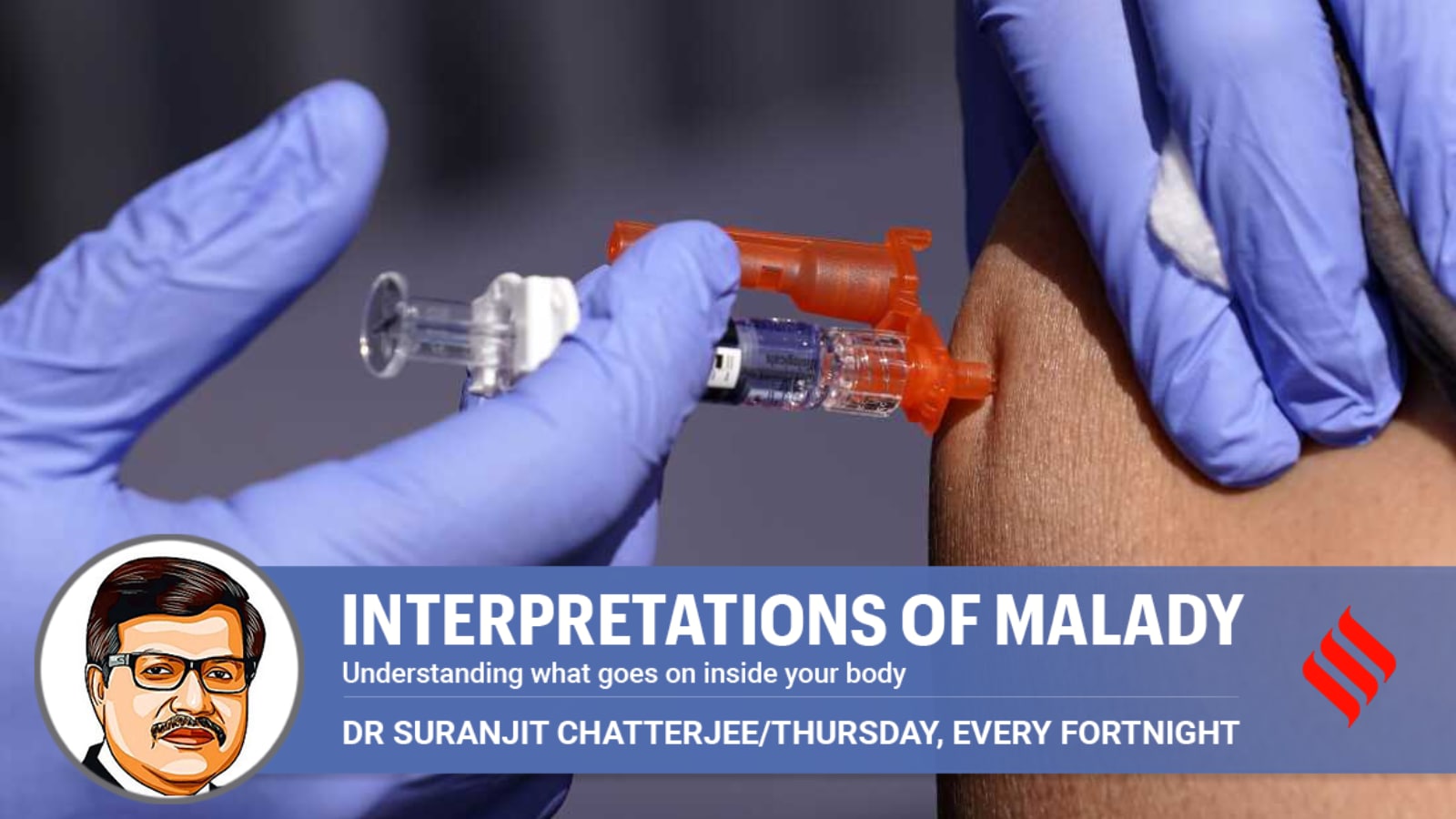
Why People Still Get the Flu Despite Vaccination

The flu shot helps protect you from the flu, but you can still get sick.
The flu virus changes every year, so the shot might not be a perfect match.
Your body needs time to build protection, about two weeks after the shot.
The shot's protection can also wear off.
Sometimes, what seems like the flu might be a different virus.
Even if you get the flu after vaccination, the shot usually makes the illness less serious, preventing serious problems.

The flu virus mutates annually, potentially reducing vaccine effectiveness.
Vaccine effectiveness varies among individuals based on their immune response.
It takes about two weeks for the body to build immunity after vaccination.
Immunity from the vaccine can decrease over the flu season.
Other viruses can cause flu-like symptoms.
- Who
- Vaccinated individuals
- What
- Reasons for still contracting the flu
- When
- Ongoing
- Where
- N/A
- Why
- To explain why the flu shot does not always prevent the flu
Why the Flu Shot Isn't Always Effective
Why the Flu Shot is Important
Effectiveness of the Flu Shot
Why the Flu Shot Isn't Always Effective
Vaccine might not perfectly match the circulating virus.
Why the Flu Shot is Important
Vaccine is still important to decrease severity and prevent serious complications.
- Vaccine Purpose
- Protect against influenza
- Virus Characteristics
- Mutates annually
- Vaccine Timing
- Requires ~2 weeks for immunity
- Protection Duration
- Immunity may wane over flu season
- Other Illnesses
- RSV, rhinoviruses, coronaviruses cause similar symptoms
Sources

As H3N2 cases spiral, should you take an egg-based vaccine? Why that and your geographical location matter

What Is H3N2? All About the Viral Infection, Symptoms, and Recovery Period

H3N2 Cases Spike: Can a Flu Shot Really Prevent the Viral Infection?
H3N2 flu virus hits Delhi-NCR: 69% households report THESE common symptoms

What is H3N2 virus? Affected nearly 70% of Delhi-NCR. Know its symptoms, risks and treatment