

Archive · 25 Aug 2026
Assam’s First IVF-Born Lakhimi Calf Signals Breed Conservation
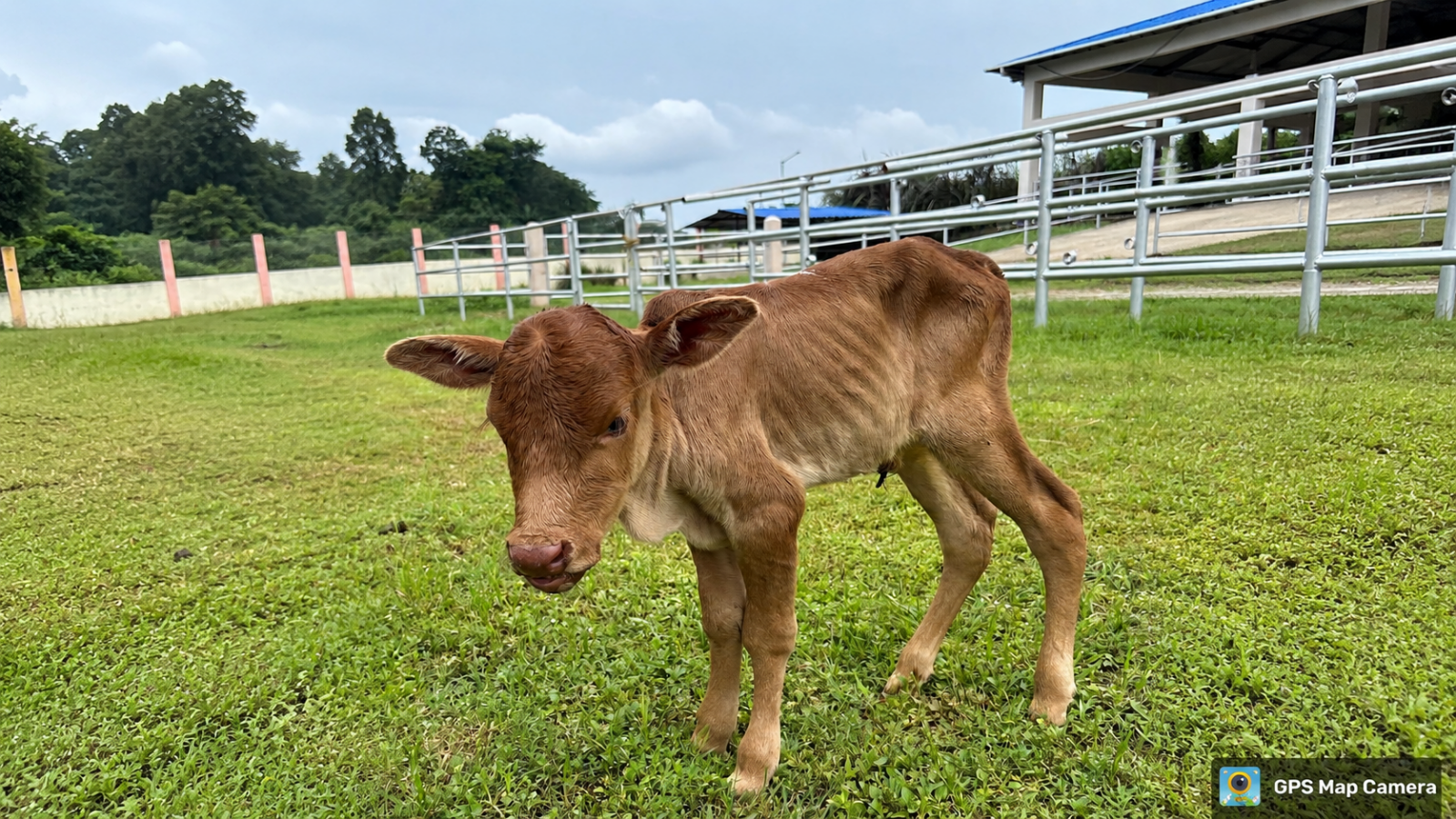
Scientists in Assam have helped a Lakhimi calf begin life using IVF.
IVF means an egg and sperm are joined in a laboratory instead of inside the cow.
The embryo grew in the laboratory for seven days.
It was then placed inside another cow, called a surrogate mother.
The calf was born with the Lakhimi breed’s genes from the selected parents.
Lakhimi cattle are known for tolerating heat and resisting disease.
Scientists hope this method will protect those useful traits from being diluted by cross-breeding.
They also hope one valuable cow can help produce embryos for several surrogate mothers.
The university expects more IVF-born calves from embryos already created.

Assam Veterinary and Fishery University says it produced the world’s first IVF-born calf of Assam’s indigenous Lakhimi breed.
Scientists fertilised a Lakhimi cow’s egg with semen from a pure Lakhimi bull, then transferred the seven-day-old embryo to a surrogate cow.
The procedure is intended to preserve Lakhimi traits including heat tolerance, disease resistance and suitability for local farmers.
The laboratory has produced nearly 182 embryos, transferred around 81, and recorded 37 pregnancies, with about 30 more IVF calves expected.
The calf was described as healthy and approximately six days to one week old while being monitored in a biosecure university facility.
- Who
- Scientists at Assam Veterinary and Fishery University, including embryologist Dr Manna Baruti and Dean Dr Bibeka Nanda Saikia, produced the calf.
- What
- The team produced what it describes as the world’s first IVF-born calf of Assam’s indigenous Lakhimi breed.
- When
- The project began at the university in 2023, was inaugurated on October 11, 2025, and the calf’s birth was announced in August 2026.
- Where
- The calf is being cared for in a biosecure area of Assam Veterinary and Fishery University in Guwahati, Assam.
- Why
- The programme aims to conserve Lakhimi genetics and distribute desirable cattle traits to farmers more quickly.
- Breed
- Lakhimi, an indigenous cattle breed of Assam
- IVF process
- A Lakhimi egg and semen from a pure Lakhimi bull were combined in a laboratory.
- Embryo transfer
- The embryo developed for seven days before being transferred to a surrogate cow.
- Laboratory results
- Nearly 182 embryos produced, around 81 transferred, and 37 pregnancies recorded.
- Expected calves
- The team expects about 30 additional IVF calves from embryos already produced.
- Project framework
- The university received the project in 2023 under the Centre’s Rashtriya Gokul Mission.
- Calf health
- The calf was reported to be healthy and was being closely monitored in a biosecure facility.