

Archive · 6 Oct 2026
Supreme Court Disposes of Legislative Privileges Reference, Leaves Question Open
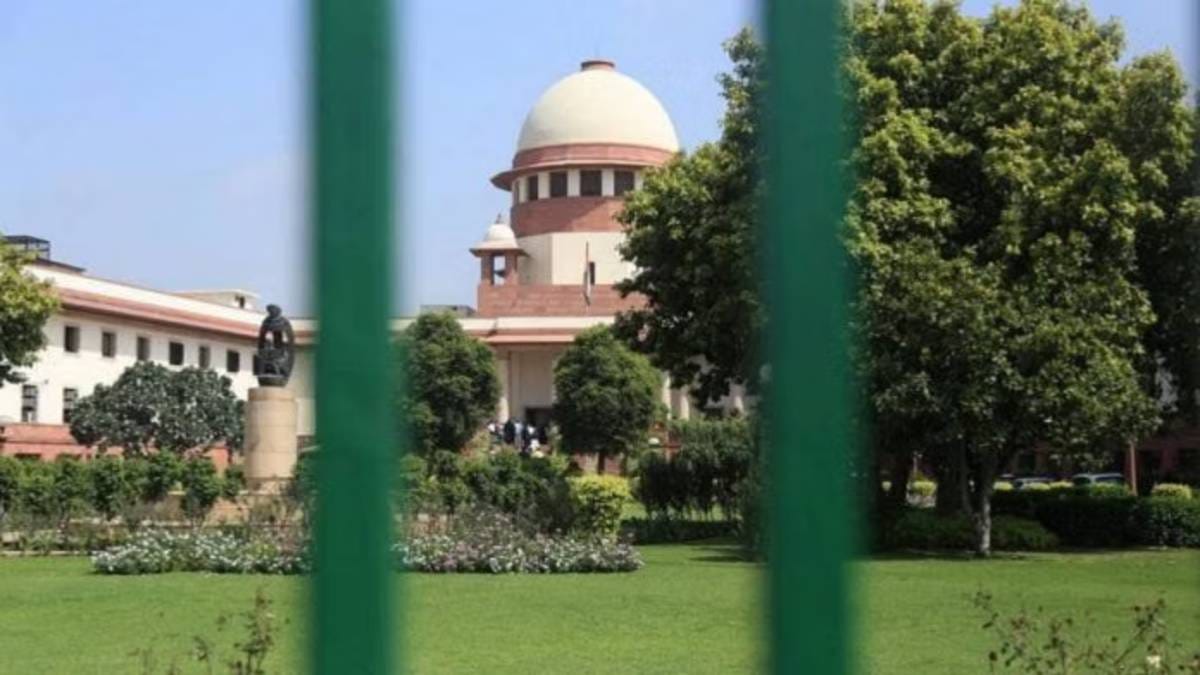
India’s Supreme Court was asked to explain how far elected lawmakers’ special protections go when they clash with people’s right to speak freely.
The case began after Tamil Nadu’s Assembly ordered five newspaper editors jailed in 2003 over an editorial.
The editors challenged the action, and the court paused the arrests while the bigger legal question was considered.
Tamil Nadu later told the court that the Assembly had cancelled its order in 2004.
The seven judges therefore said the reference no longer needed an answer in this case.
They left the larger question open for a suitable case in the future.
Some journalists and other intervenors had argued that lawmakers’ privileges should not be used to silence criticism from people outside the legislature.

A unanimous seven-judge Supreme Court bench called the reference on legislative privileges “infructuous” and disposed of it.
The court left open the question of how legislative privileges interact with citizens’ right to free speech for a future appropriate case.
The reference arose from a 2003 Tamil Nadu Assembly resolution sentencing five editors of The Hindu to 15 days in jail over an editorial.
Tamil Nadu told the court that the Assembly had revoked the resolution in 2004, a fact absent from the order referring the issue to the bench.
Intervenors argued that legislative privileges cannot be an absolute shield for punishing outside critics, journalists or comedians.
- Who
- A unanimous seven-judge bench of the Supreme Court of India, including Chief Justice Surya Kant; Tamil Nadu was represented by senior advocate Raju Ramachandran.
- What
- The bench disposed of as “infructuous” a reference on the limits of legislative privileges in relation to citizens’ freedom of speech, leaving the legal question open.
- When
- The bench disposed of the reference after being told that the 2003 Assembly resolution had been revoked in 2004; the article does not specify the date of the disposal.
- Where
- Supreme Court of India, New Delhi; the underlying dispute concerned the Tamil Nadu Assembly and The Hindu’s Chennai office.
- Why
- Tamil Nadu said the Assembly had revoked the resolution that gave rise to the case, making the reference an academic issue.
Arguments for limits on legislative privilege
Legislative privilege and the court’s disposition
Can privileges punish outside critics?
Arguments for limits on legislative privilege
Intervenors argued that legislative privileges are bounded by the rule of law and should not be used as an absolute shield to punish outside critics, journalists or comedians exercising free speech.
Legislative privilege and the court’s disposition
The article reports that the court disposed of the reference after Tamil Nadu said the 2003 resolution had been revoked; the court did not decide the broader question and left it open for a future appropriate case.
- Bench
- Seven Supreme Court judges; the decision was unanimous.
- Outcome
- The reference was disposed of as “infructuous.”
- Underlying resolution
- A 2003 Tamil Nadu Assembly resolution ordered five senior editors of The Hindu to 15 days in jail.
- Stated reason for the resolution
- Alleged breach of privilege over an editorial criticising the chief minister and the government’s functioning.
- Revocation
- Tamil Nadu told the court that the resolution was revoked in 2004.
- Constitutional provisions discussed
- Article 194(3) concerns state legislative privileges; Article 19(1)(a) protects freedom of speech and expression.
- Question left open
- The extent of legislative privileges in relation to citizens’ fundamental right to free speech.