

Archive · 22 May 2025
ASI Asks Archaeologist to Revise Keezhadi Excavation Report
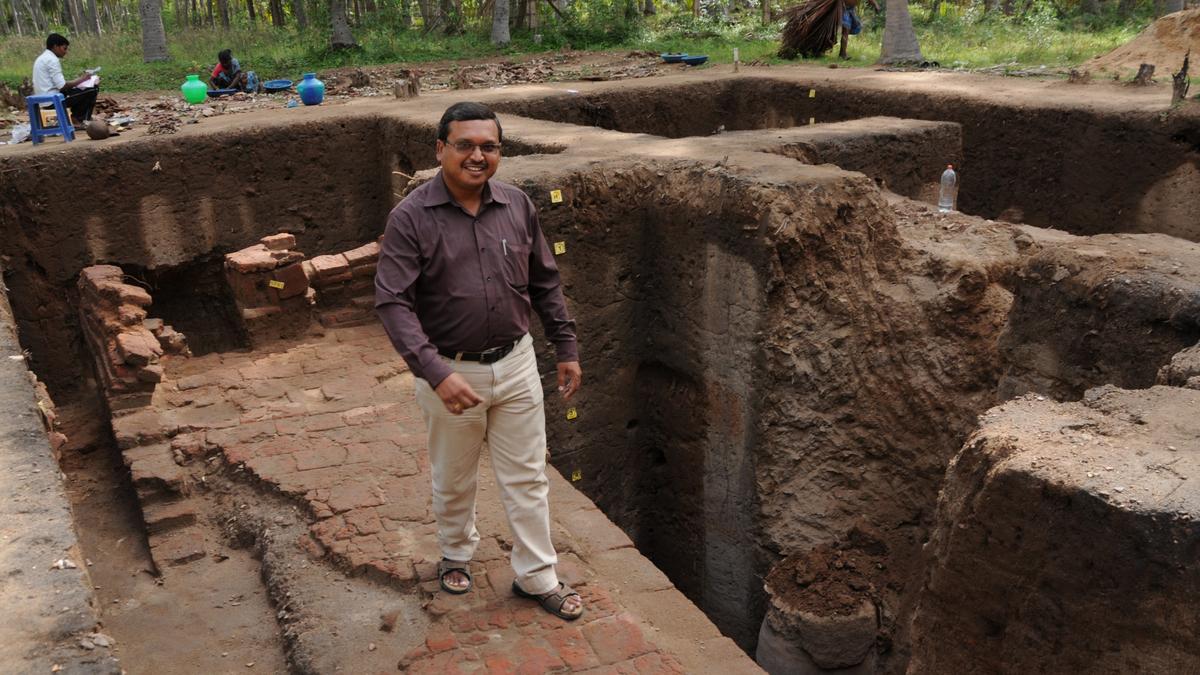
The Archaeological Survey of India (ASI) asked archaeologist Amarnath Ramakrishna to revise his report on the Keezhadi excavations, which unearthed an ancient Tamil civilization.
The ASI cited the need for corrections and additional details, including more accurate dating and improved maps.
The report, submitted in 2023, required these changes for authenticity and consistency in the archaeological findings.
Some experts believe this is unprecedented, highlighting potential biases in handling southern archaeology.
The initial findings dated the settlement to 200 BC, suggesting an urban civilization.
Critics express concern over delays in publishing such important findings and the perceived inadequate handling of historical reports.

ASI requested Amarnath Ramakrishna to resubmit the Keezhadi excavation report with corrections.
Corrections needed include proper nomenclature and updated scientific dating.
The initial report, a 982-page document, was submitted in January 2023.
Critics see the ASI's decision as unprecedented and potentially biased.
The excavation revealed an ancient urban civilization dating back to 200 BC.
- Who
- The Archaeological Survey of India (ASI) and archaeologist Amarnath Ramakrishna.
- What
- The ASI requested revisions to the excavation report detailing findings of an ancient Tamil civilization.
- When
- The ASI requested revisions more than two years after the report was submitted in January 2023.
- Where
- Keezhadi, near Madurai, Tamil Nadu.
- Why
- To ensure the report's authenticity and address concerns about its accuracy and completeness.
- Archaeologist
- Amarnath Ramakrishna
- Location
- Keezhadi, near Madurai
- Report Submitted
- January 30, 2023
- Civilization Date
- 200 BC
- Report Length
- 982 pages
- ASI's Reason
- Corrections for authenticity