

Archive · 20 Nov 2025
Chhattisgarh's 25-Year Journey: From Punishment Posting to Quiet Progress
Chhattisgarh was once a part of Madhya Pradesh that felt neglected.
It became a separate state in 2000 because people wanted their own government.
The state has many resources and has become better over time.
But some problems, like poverty and violence, still need to be fixed.

Chhattisgarh was once a punishment posting for bureaucrats due to its distance from Madhya Pradesh's administration
The state gained independence on November 1, 2000, primarily due to its distinct geographical, linguistic, and cultural identities
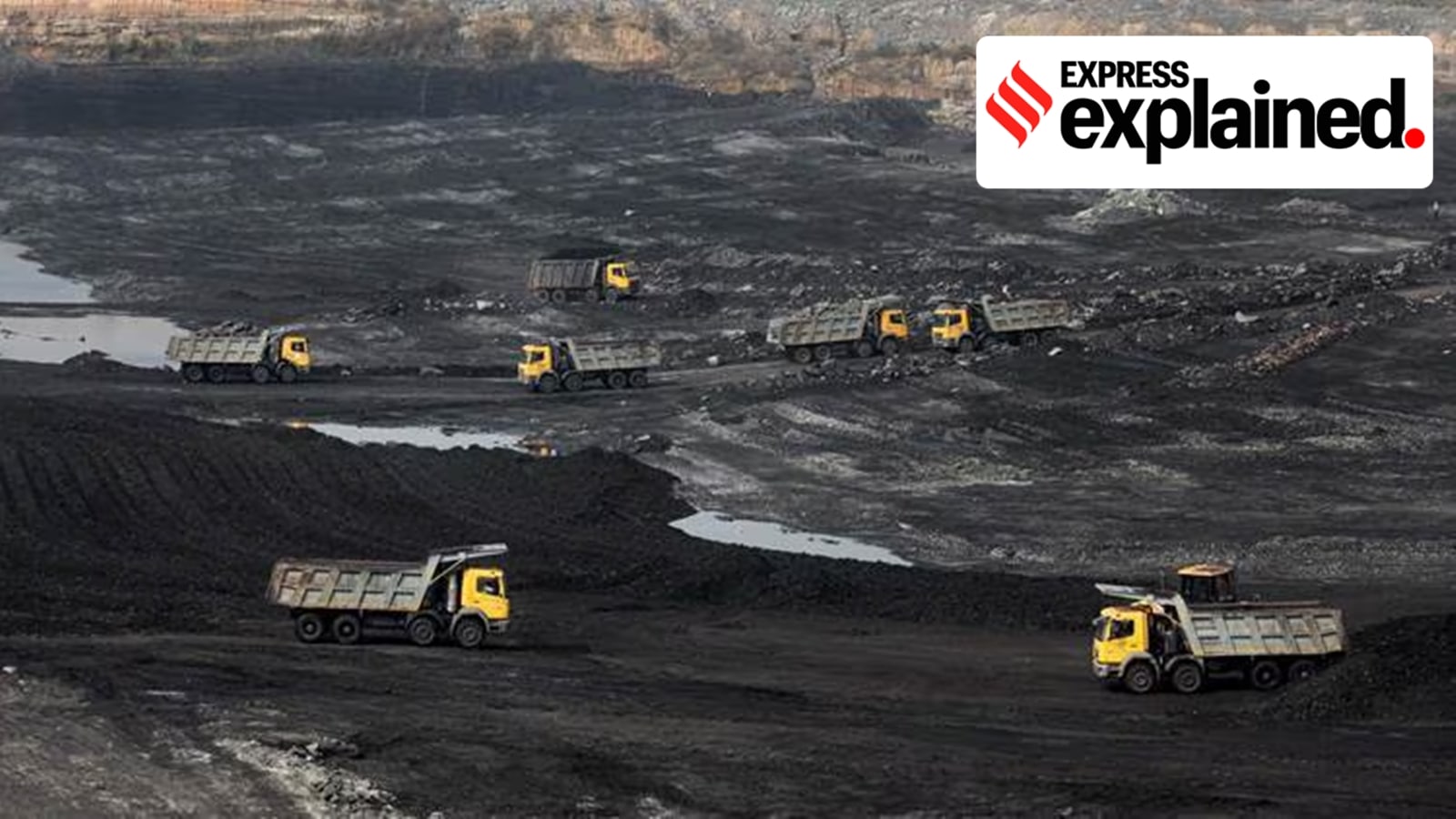
Chhattisgarh is rich in natural resources like coal, iron ore, and has a large tribal population
The state has made significant strides in development, with a 2,650% increase in budget and improvements in rice production and power infrastructure
However, challenges persist, including poverty, health, education, unemployment, and Maoist insurgency
- Who
- The people of Chhattisgarh and its leaders
- What
- Pursued statehood and developed the region
- When
- Since the 1990s, with statehood granted in 2000
- Where
- Chhattisgarh, India
- Why
- To have a government closer to the people and to develop the region
Environmental Activists
Government Officials
Environmental Degradation
Environmental Activists
Rapid mining and industrialisation have degraded the environment, with air and water pollution increasing
Government Officials
Government officials acknowledge challenges but highlight progress in development and poverty reduction
- Natural Resources
- Third largest coal and iron ore reserves, produces 20% of India's steel and aluminium, and 15% of its cement
- Tribal Population
- Roughly 34% of the state's citizens belong to one of 42 tribes
- Budget Increase
- From nearly Rs 6,000 crore in 2000-2001 to Rs 1.65 lakh crore in 2025-2026 (2,650% increase)
- Power Infrastructure
- Chhattisgarh is the only 'zero power cut state' in India
- Maoist Insurgency
- Still a challenge in the state