1 month ago
Pellet Gun Injuries Can Cause Permanent Disability, Experts Warn
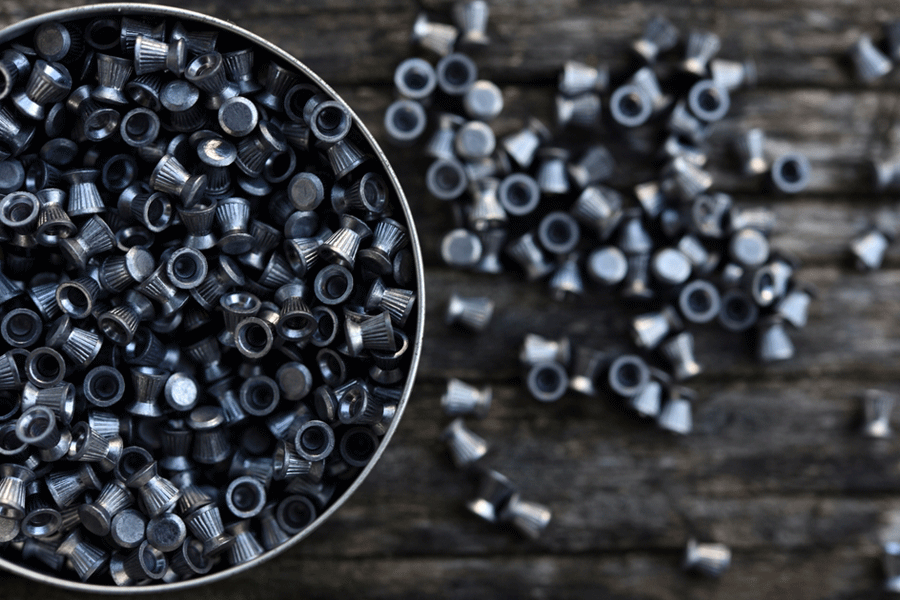
Pellet guns shoot many small metal or rubber balls that can hurt people.
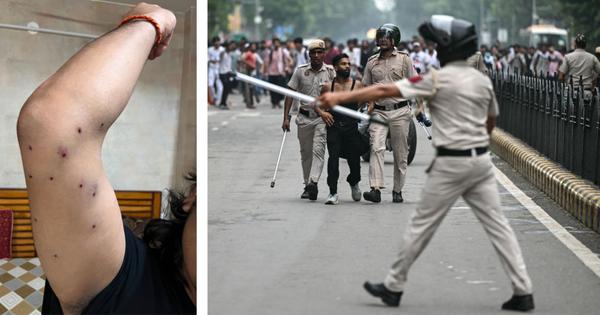
If the balls hit a body part close up, they can break bones, cut nerves, or damage organs.
Doctors say these injuries can leave people with permanent problems like losing sight or feeling pain for a long time.
Even after surgery, some people keep feeling scared or have flashbacks, which is called PTSD.
The damage is worse when the pellets hit important parts like the eyes, face, or big blood vessels.
Some pellets stay inside the body and can cause infections or other problems later.
Doctors sometimes leave the pellets in if taking them out would hurt more.
They give medicine to prevent infections and give shots to stop tetanus.
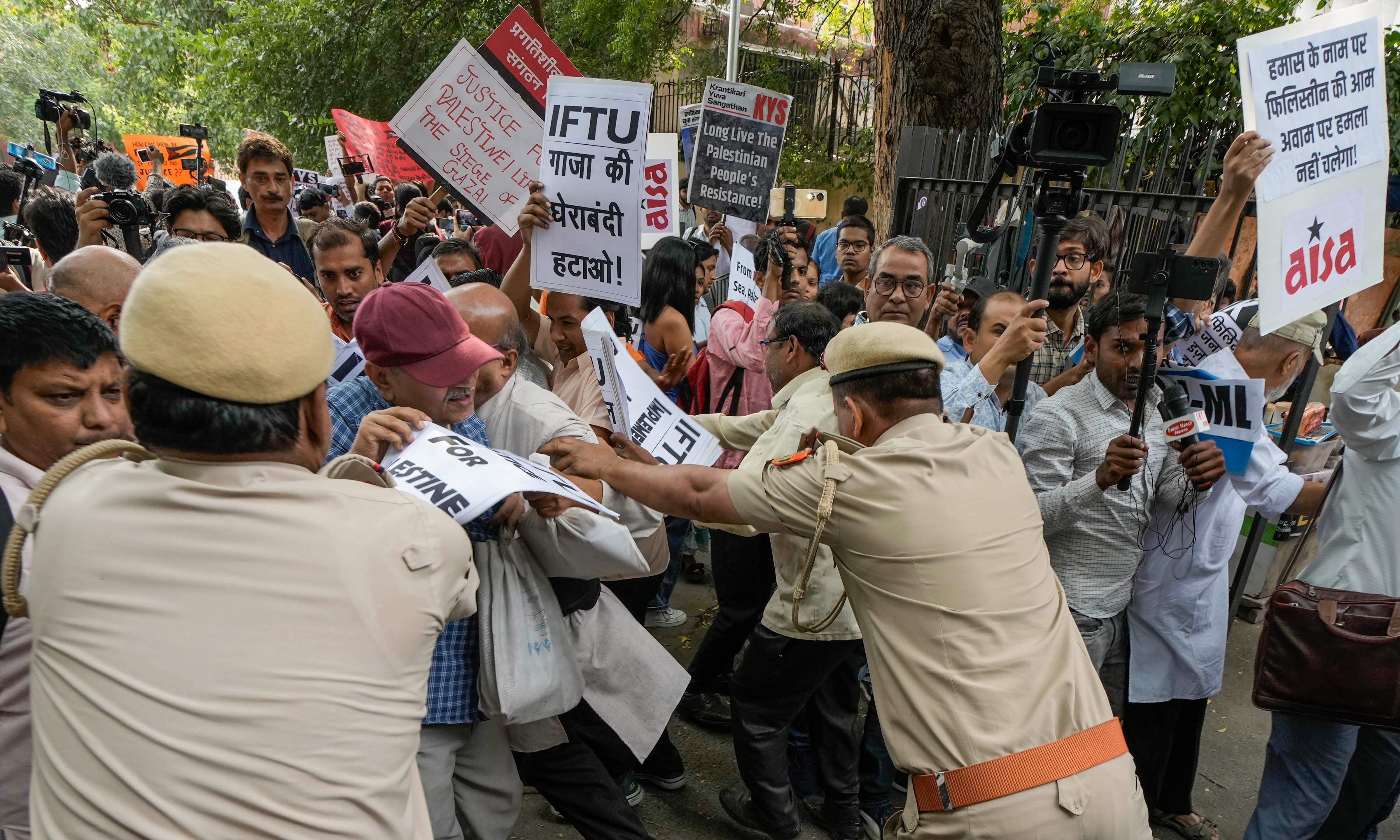
The whole situation is part of a bigger debate about how police used pellet guns on student protesters in Delhi.

Pellet gun injuries can cause irreversible damage, permanent disability, and long‑term psychological trauma.
Severity depends on pellet count, firing distance, impact velocity, angle, and affected anatomical structures.
Close‑range shots produce massive tissue destruction, soft‑tissue loss, bone defects, and nerve damage.
Injuries to eyes, face, nerves, or major blood vessels can lead to blindness, hearing loss, chronic pain, and PTSD.
Retained pellets need long‑term monitoring; not all require removal; prophylactic antibiotics and tetanus immunisation advised.
- Who
- Medical experts and forensic scientists
- What
- Pellet gun injuries can cause irreversible damage, permanent disability, and long‑term psychological trauma
- Where
- Delhi, India
- When
- July 2024
- Why
- To warn about the severe health consequences of pellet gun use by police during student protests
Key facts
- Injury Severity
- Irreversible damage, permanent disability, long‑term psychological trauma
- Key Factors
- Pellet count, firing distance, impact velocity, angle, anatomical structures
- Common Complications
- Blindness, hearing loss, chronic pain, PTSD
- Treatment Recommendations
- Prophylactic antibiotics, tetanus immunisation, long‑term monitoring
- Retained Pellets
- Not always removed; may need periodic monitoring
- Event Context
- July 20 protest over alleged NEET paper leak in Delhi
Quotes
Dr Nikhil Valsangkar
Senior consultant, Orthopaedics and Robotic Joint Replacement, Sarvodaya Hospital
“Pellets fired from a distance tend to cause multiple superficial wounds with limited tissue damage. However, at close range, pellets bunch together and strike as a single mass, causing massive and complex tissue destruction, soft tissue loss, and extensive bleeding.”
 telegraphindia.com
Sources
Related news
Debate Intensifies Over Whether Police Pellet Guns Should Be Banned

Delhi Pellet Injury Claims Clash With Official No-Firing Account

FIR Alleges Pellet Fire Injured Student During Delhi March
Ten persons injured by pellets during Delhi Parliament march: RTI

Rahul Gandhi Sit-In Prompts FIR Over Connaught Place Pellet Firing

Rahul Gandhi Protests Alleged Police Refusal to Register Pellet FIR

Sumeet Bagadia Names Five Breakout Stocks for August 27

Indian Hospital Chains Focus on Regional Dominance

Noida, Ghaziabad Hospitals See Rise in Lung-Screening Tests Due to Pollution

Businessman's Family Donates Organs After Sudden Stroke