Archive · 2 Feb 2026
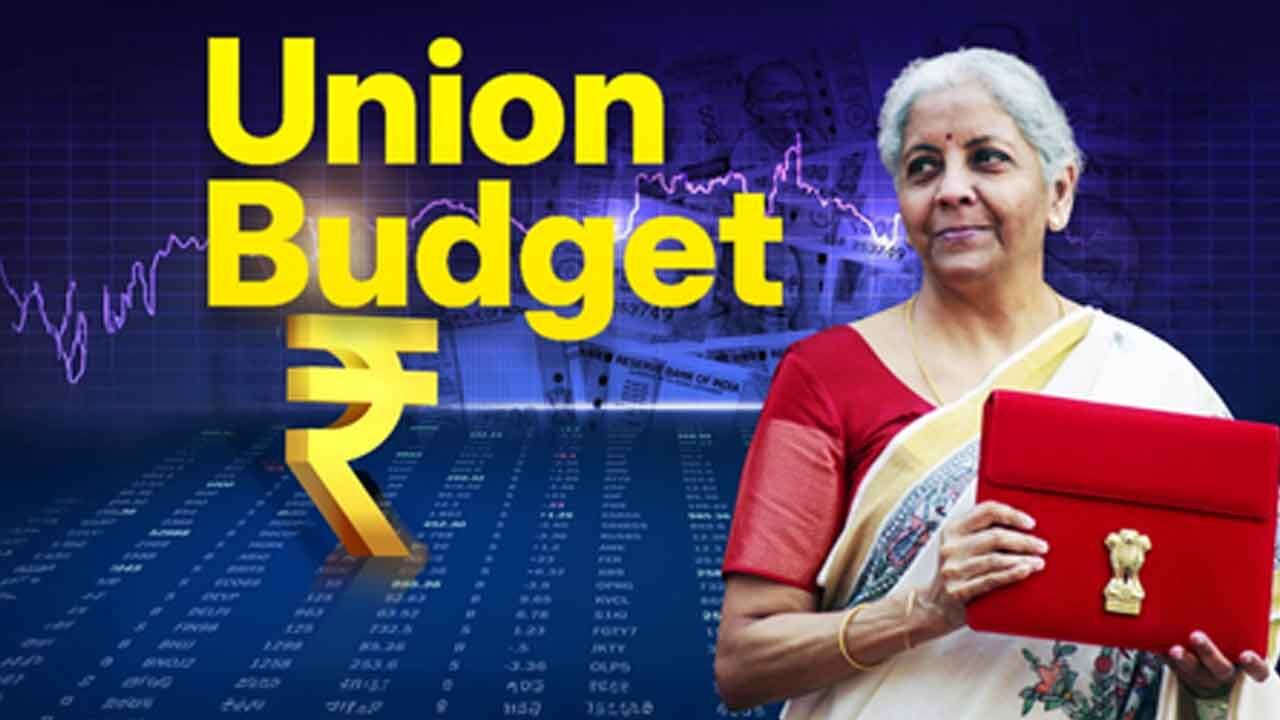
Union Budget 2026 Focuses on Growth and Stability

The Indian government presented the Union Budget 2026-27, which focuses on growth, stability, and long-term capital formation.
The budget includes measures to improve the bond market, support urban development, and introduce tax reforms.
It aims to reduce the fiscal deficit, increase public capital expenditure, and provide incentives for various sectors.
The budget was well-received by mayors in Madhya Pradesh and the Confederation of Indian Industry (CII) Andhra Pradesh, who praised its growth-oriented and forward-looking approach.
The budget also includes tax exemptions for foreign cloud service providers and reforms in transfer pricing for the IT and R&D sectors.

Union Budget 2026-27 focuses on growth, stability, and long-term capital formation with a fiscal deficit of 4.3% and central government debt at 55.6% of GDP in FY27.
Public capital expenditure raised to a record ₹12.2 lakh crore, with targeted policy support and measures to ease MSME liquidity constraints.
Securities transaction tax increased for futures and options, and share buyback taxation restructured to a capital gains-based approach.
Tax exemptions for foreign cloud service providers using Indian data centres until 2047, and transfer pricing reforms for the IT and R&D sectors.
Mayors in Madhya Pradesh and the Confederation of Indian Industry (CII) Andhra Pradesh praised the budget for its growth-oriented and forward-looking approach.
- Who
- Indian government, Finance Minister Nirmala Sitharaman, urban local bodies, mayors of Madhya Pradesh, Confederation of Indian Industry (CII) Andhra Pradesh
- What
- Introduction of fiscal and tax policy measures, incentives for municipal bonds, and structural reforms
- When
- Announced in the Union Budget 2026-27 on Sunday
- Where
- India, focusing on urban local bodies, corporate bond market, and various sectors
- Why
- To strengthen the bond market, encourage investor participation, improve urban infrastructure, and ensure macroeconomic stability
- Fiscal Deficit
- 4.3%
- Central Government Debt
- 55.6% of GDP in FY27
- Public Capital Expenditure
- ₹12.2 lakh crore
- Securities Transaction Tax
- Increased for futures and options
- Share Buyback Taxation
- Restructured to capital gains-based approach
- Foreign Cloud Service Providers Tax Exemption
- Until 2047
- Transfer Pricing Reforms
- Uniform margin of 15.5% for IT and R&D
- Foreign Assets Disclosure Scheme
- FAST-DS for undisclosed foreign income/assets
Sources
Budget lays out roadmap for cities, proposes ₹100 crore single-bond issuance

HUA ministry gets Rs 85,522 crore in Union Budget; PM SVANidhi allocation up by 57%

Budget 2026 brings Total Return Swaps to corporate bonds: What this means for India's market

Budget 2026: Market-making framework, ₹100-crore incentive for municipal bonds to give bond market fresh fillip

Union Budget FY2027 proposes ₹100-cr incentive for a single ₹1,000 cr plus bond issuance by large cities

Sops for corporate bond market expansion

Yadagirigutta and Bhadrachalam Likely to Gain from Rs.5,000 Cr Fund for City Economic Regions

Budget’s Bond Push May End Funds Crunch for Basic Amenities in Outlying Municipalities

MP News: Union Budget Wins Strong Approval From Madhya Pradesh Mayors

AP Chambers welcomes growth-oriented Union Budget 2026
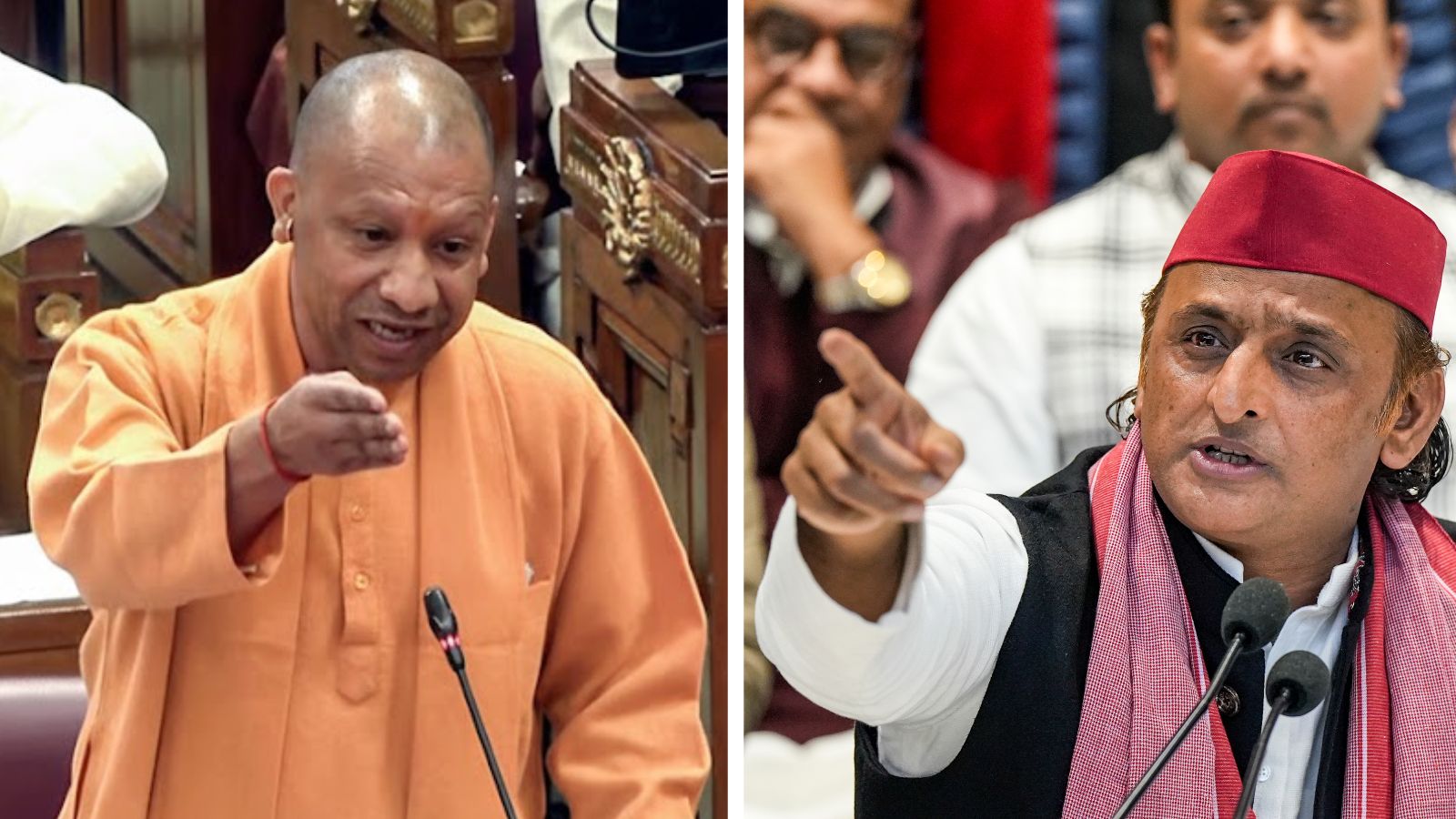
Union Budget reflects vision of developed India, says Yogi; Akhilesh terms it ‘disappointing’, Mayawati questions promises
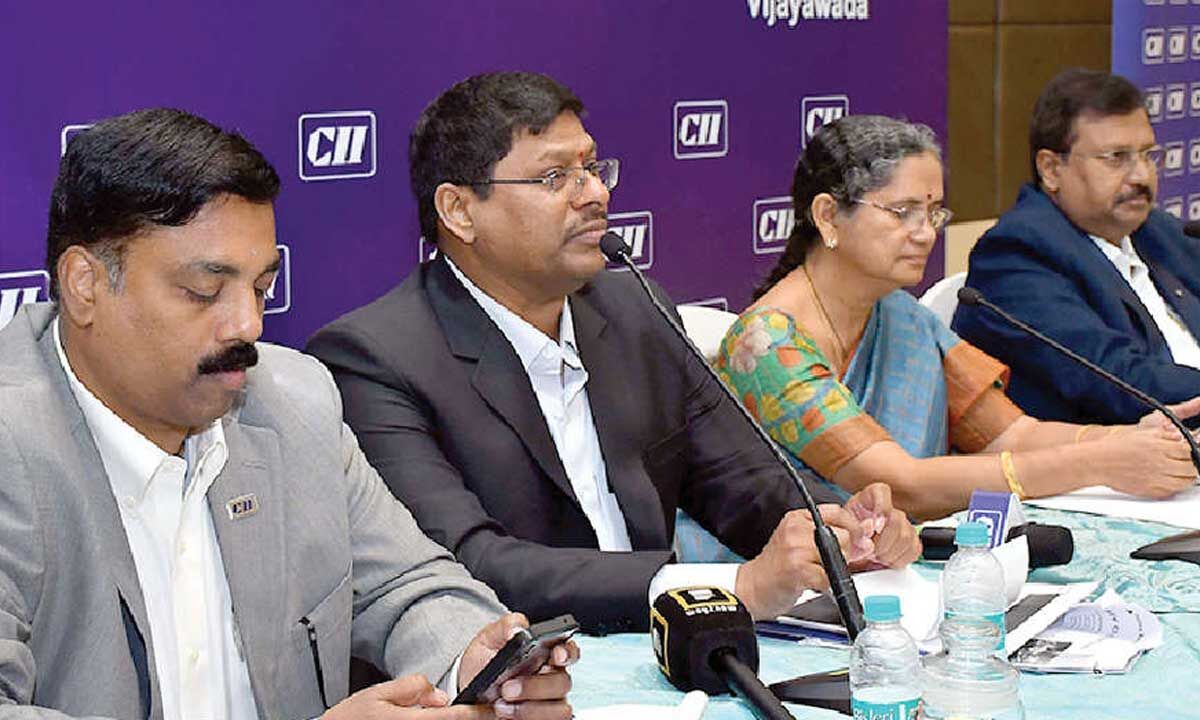
CII-AP describes Union Budget as balanced, forward-looking

Budget 2026: Three kartavyas, one direction in tax
Finance Commission recommends Rs 66,100-cr grant for urbanisation, revamp of drainage in cities
16th Finance Commission sets 3 per cent GSDP fiscal deficit cap, flags off budget debt risk
‘Chennai-Bengaluru in 1 hour 13 minutes’: Ashwini Vaishnaw on 2026 budget’s high-speed rail push