

1 week ago
Why Kevin Warsh’s First Jackson Hole Speech Matters
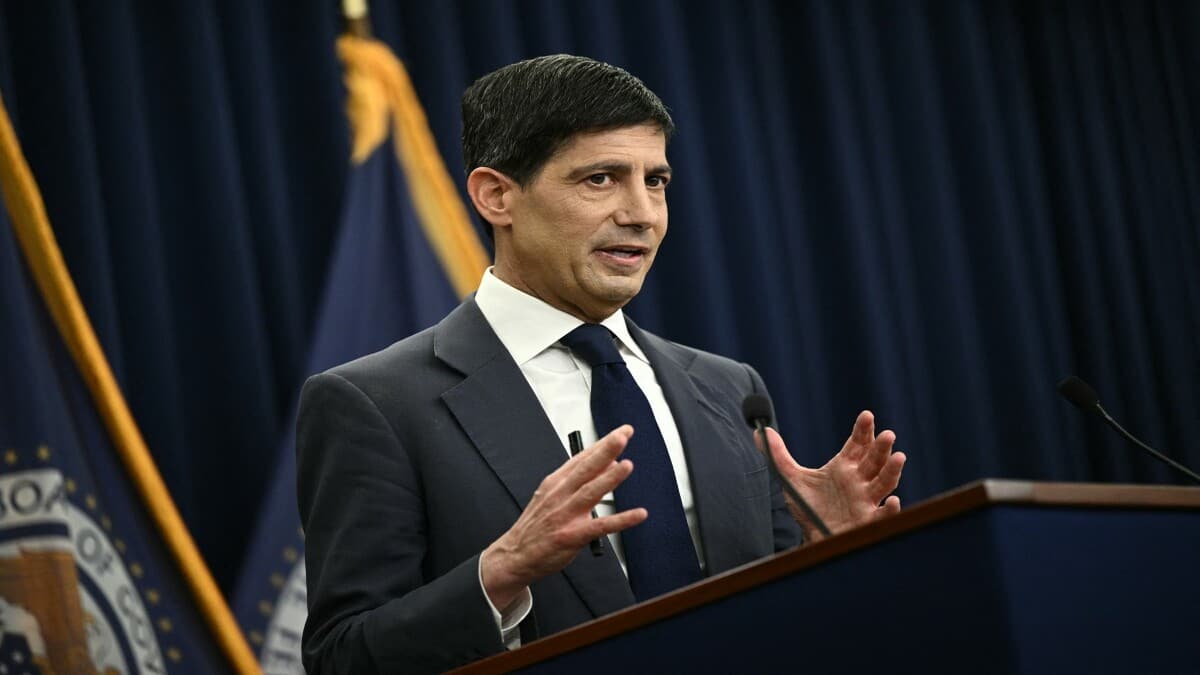
The Jackson Hole meeting is an important gathering for economists and central bankers.
In 2026, Federal Reserve Chair Kevin Warsh will give a major speech there.
Investors will listen for clues about what might happen to United States interest rates.
Some Federal Reserve officials have said rates might need to rise if inflation stays high.
However, newer economic reports have made a September rate increase seem less likely.
Warsh could sound cautious, or he could reopen the debate about raising rates.
His words may affect government-bond prices, the dollar and stock markets.
The meeting will also discuss financial technology and changing payment systems.
Jackson Hole speeches have influenced market expectations before, even though they do not formally set policy.

The Jackson Hole Economic Policy Symposium will take place August 27–29, 2026, in Wyoming.
Federal Reserve Chair Kevin Warsh will deliver his first major Jackson Hole speech on August 28.
Markets will look for signals on inflation, employment, September rate expectations and monetary policy.
Softer employment, consumer-price and retail-sales data have reduced expectations of a September rate increase.
Warsh’s remarks could influence Treasury yields, the United States dollar and other risk assets.
- Who
- Federal Reserve Chair Kevin Warsh, central bankers, economists and policymakers.
- What
- The 2026 Jackson Hole Economic Policy Symposium and Kevin Warsh’s first major speech there as Federal Reserve chair.
- Where
- Jackson Hole, Wyoming.
- When
- August 27–29, 2026; Warsh’s speech is scheduled for August 28.
- Why
- Markets are seeking clearer signals about inflation, interest rates and the broader direction of United States monetary policy.
Patience and Caution
Renewed Tightening Concerns
Near-term interest-rate direction
Patience and Caution
Softer employment, consumer-price and retail-sales data support reduced expectations of a September rate increase, and MUFG Research expects Kevin Warsh to communicate cautiously.
Renewed Tightening Concerns
Some Federal Reserve officials believe a rate increase could be necessary if inflation fails to ease, leaving open the possibility of renewed tightening.
Meaning of the speech
Patience and Caution
Kevin Warsh may offer few specific signals on near-term policy, reinforcing a wait-and-see approach.
Renewed Tightening Concerns
A more forceful interpretation of the economic outlook could reopen the debate over the next rate move and trigger larger market moves.
Broader policy implications
Patience and Caution
The symposium’s financial-innovation theme could encourage discussion of payments and technology without directly changing interest-rate policy.
Renewed Tightening Concerns
Questions involving Treasury activity, foreign-exchange coordination with Japan and financial innovation could heighten uncertainty about how fiscal, currency and monetary policies interact.
Key facts
- 2026 symposium theme
- “Financial Innovation: Implications for Payments and Policy.”
- Market backdrop
- July Federal Open Market Committee minutes showed that some officials thought a rate increase could become necessary if inflation did not ease.
- Recent economic data
- Softer employment, consumer-price and retail-sales figures have reduced expectations of a September rate increase.
- Symposium origins
- The Federal Reserve Bank of Kansas City organized the first symposium in 1978, initially focusing on global agricultural trade.
- Major historical signal
- In 2010, Federal Reserve Chair Ben Bernanke signaled support for additional securities purchases; the Federal Reserve later launched QE2 with plans to buy $600 billion in United States government bonds.
- Recent policy contrasts
- Jerome Powell used the 2020 symposium to explain a new inflation-targeting approach and the 2022 symposium to emphasize sustained restraint against high inflation.
Sources
Related news

Warsh’s Jackson Hole Speech Tests Fed Independence and Inflation Strategy
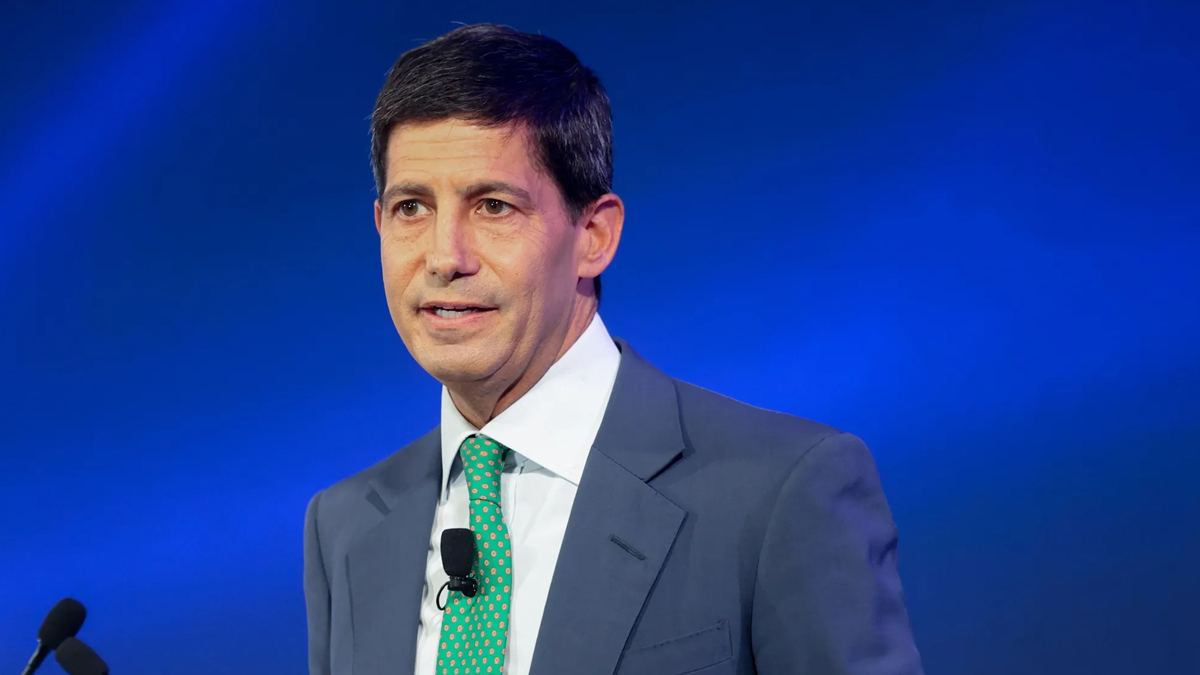
Warsh Heads to Jackson Hole With No Rate Signal Expected

Treasury Yields Hold Firm Ahead of Warsh’s Jackson Hole Speech
Warsh’s Jackson Hole Debut Puts Fed Policy to Bond Test

Markets Seek Clarity From Warsh at Jackson Hole Speech

Jackson Hole 2026 Focuses on Financial Innovation and Policy
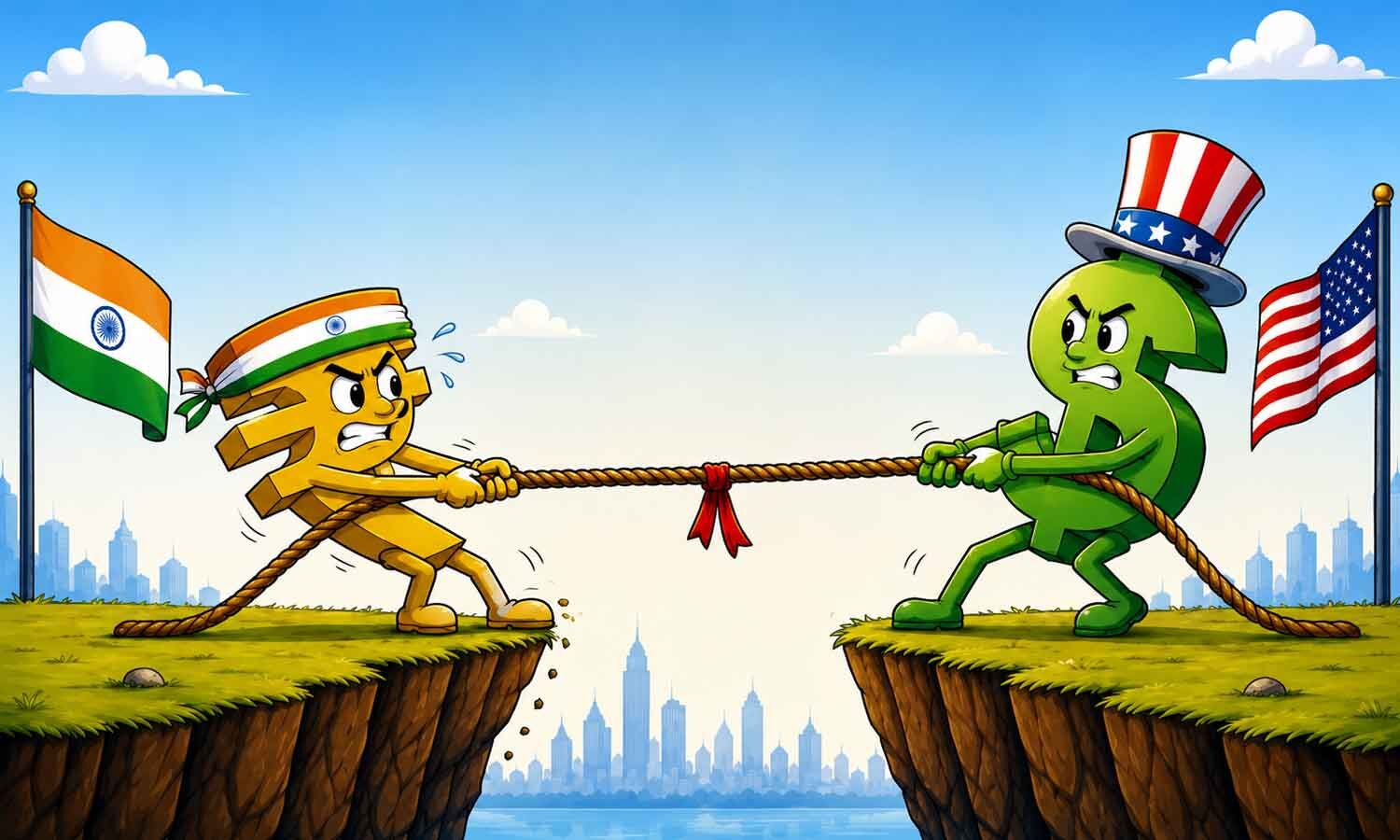
Rupee Gains as Oil Prices Fall, RBI Supports Currency

Kevin Warsh Calls for a Quieter, More Purposeful Fed
Gold Prices Fall Third Day as Stronger Dollar Pressures Bullion
Silver Futures Rebound Nearly 2% as Oil Concerns Ease
