

Archive · 21 Sep 2026
China Could Offer Trump a $6 Billion LNG Trade Win
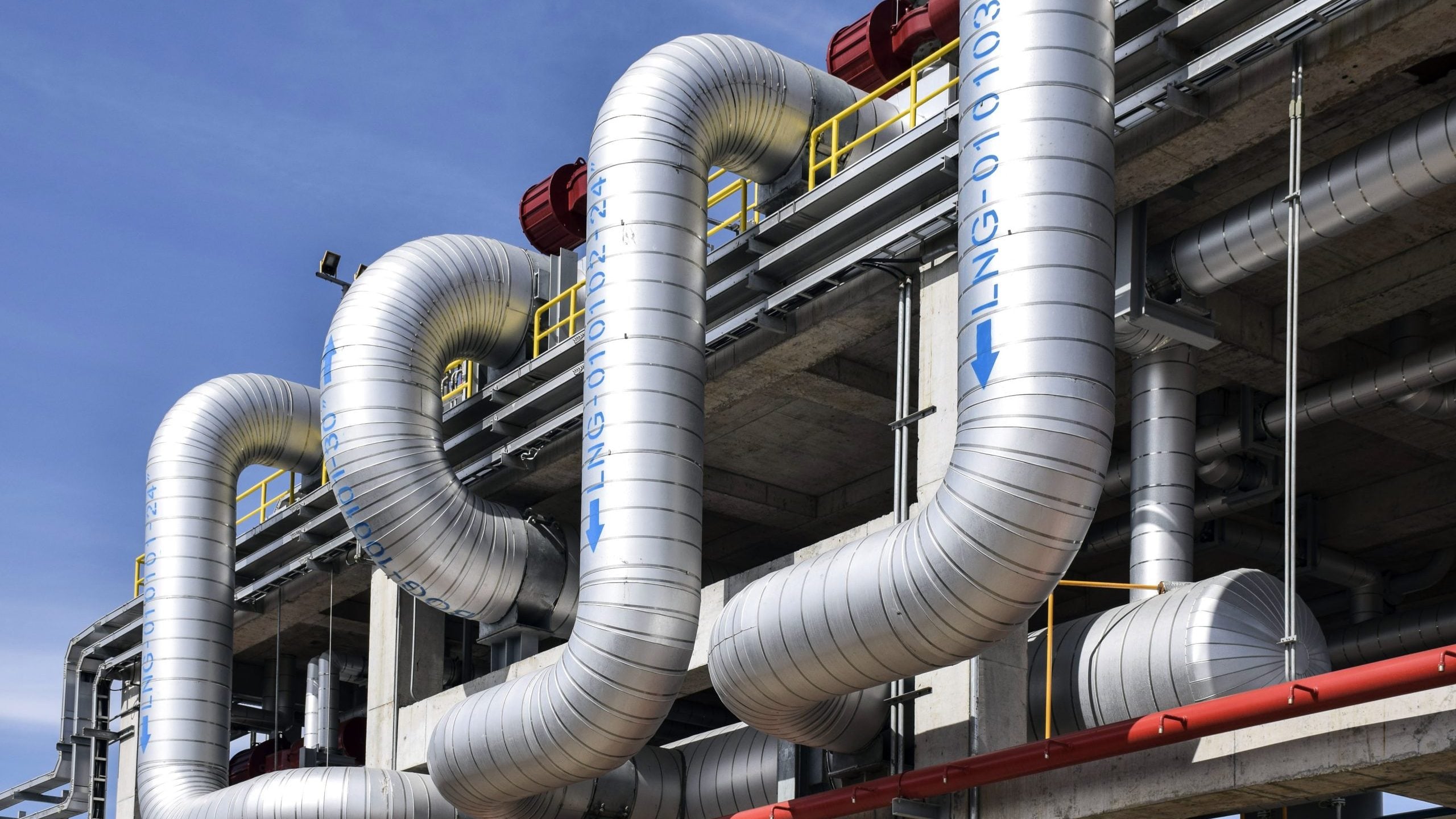
China and the United States used to trade large amounts of natural gas.
That trade mostly stopped after both countries placed new charges on each other’s goods and energy.
China still has some contracts to buy American gas, but companies have been selling those shipments elsewhere.
Chinese leader Xi Jinping may offer to restart some purchases when he meets Donald Trump.
The possible deal could be worth about $6 billion each year.
China may want more reliable gas because supplies through the Persian Gulf are disrupted.
American gas companies want long-term buyers for new export projects.
However, China also buys gas from Russia, and a new United States sanctions law could make that more difficult.
Some new American gas supplies will not be ready until around 2030 or later, which could make long-term agreements easier to negotiate.

China effectively halted imports of United States liquefied natural gas after Beijing imposed a 15% levy in response to United States tariffs.
Chinese companies have continued honoring contracts but resold LNG cargoes in Europe and Asia instead of bringing them home.
Existing Chinese contracts for United States LNG total about 14 million tons annually, worth roughly $6 billion at long-term prices.
China Gas Holdings agreed to buy United States LNG for 20 years beginning in 2030, while China imported at least two shipments in July and August.
A revived LNG relationship could benefit Chinese energy security and United States exporters, but possible sanctions on Russian energy create uncertainty.
- Who
- Chinese leader Xi Jinping, United States President Donald Trump, Chinese LNG buyers, and United States LNG exporters.
- What
- China may revive a roughly $6 billion-a-year trade in United States liquefied natural gas.
- When
- The possible discussions are expected during Xi Jinping’s visit to Washington this week; a China Gas Holdings agreement would begin in 2030.
- Where
- The trade involves United States LNG shipments to China, with related discussions held at a gas conference in Bangkok.
- Why
- The deal could improve China’s energy security and support expanding United States LNG projects while helping address the bilateral trade imbalance.
Arguments for Reviving LNG Trade
Obstacles and Risks
Energy security and commercial gains
Arguments for Reviving LNG Trade
China could obtain more reliable gas supplies while United States producers gain long-term commitments for expanding export projects.
Obstacles and Risks
China’s energy mix is expected to become increasingly dominated by renewables, and future trade could be vulnerable to another escalation in tariffs.
Alternative suppliers
Arguments for Reviving LNG Trade
Disrupted Persian Gulf traffic and reduced access to Qatar could encourage China to restore United States LNG purchases.
Obstacles and Risks
Russia remains China’s second-largest LNG supplier, and a new United States sanctions law could impose tariffs on countries buying Russian oil and gas.
- Potential annual trade value
- About $6 billion at long-term prices
- Existing contracted volume
- Roughly 14 million tons of LNG per year
- Chinese tariff on United States LNG
- 15%
- Long-term China Gas agreement
- United States LNG purchases for 20 years starting in 2030
- Recent Chinese imports
- At least two United States LNG shipments arrived in July and August
- United States export outlook
- Annual United States LNG exports are slated to double by the end of the decade
- Long-term delivery cost
- About $8 per million British thermal units to Northeast Asia, compared with spot prices roughly three times higher