Archive · 5 Nov 2025
India Develops Indigenous Satellite Chipsets, Aims for Global SatCom Leadership

Imagine India is building its own special computer chips for satellites, like super-smart brains that help satellites talk to each other and to us on Earth.
India is one of the few countries that can do this, showing they are becoming very good at space technology.
Their space agency, ISRO, is already putting many satellites into space.
Now, companies are making these satellite chips to create new things like 'internet of things' devices that work with satellites.
These chips will also be important for future super-fast internet, called 6G.
Satellites can help connect places that are hard to reach with normal internet and are also important for keeping the country safe.
India even made a system using these chips to help fishermen send distress signals, which has already saved lives.
Beyond just satellites, India wants to become a place that invents and makes lots of new technology products for everyone, not just for others.
They believe even kids in small towns have great ideas and want to help them invent things.

India is among the few countries globally to develop indigenous satellite chipsets, enhancing its self-reliance in the SATCOM sector.
Companies like Tejas Networks are developing satellite IoT devices and next-generation 3GPP-based standards for future 6G networks.
Indigenous satellite technologies, such as fisherman distress signals, are actively saving lives and improving maritime safety.
India aims to transition into a product-driven innovation hub, with a goal to become a 'product nation' by 2047.
Experts advocate for nurturing a long-term innovation culture by incentivizing curiosity, product building, and establishing innovation centers in every district.
- Who
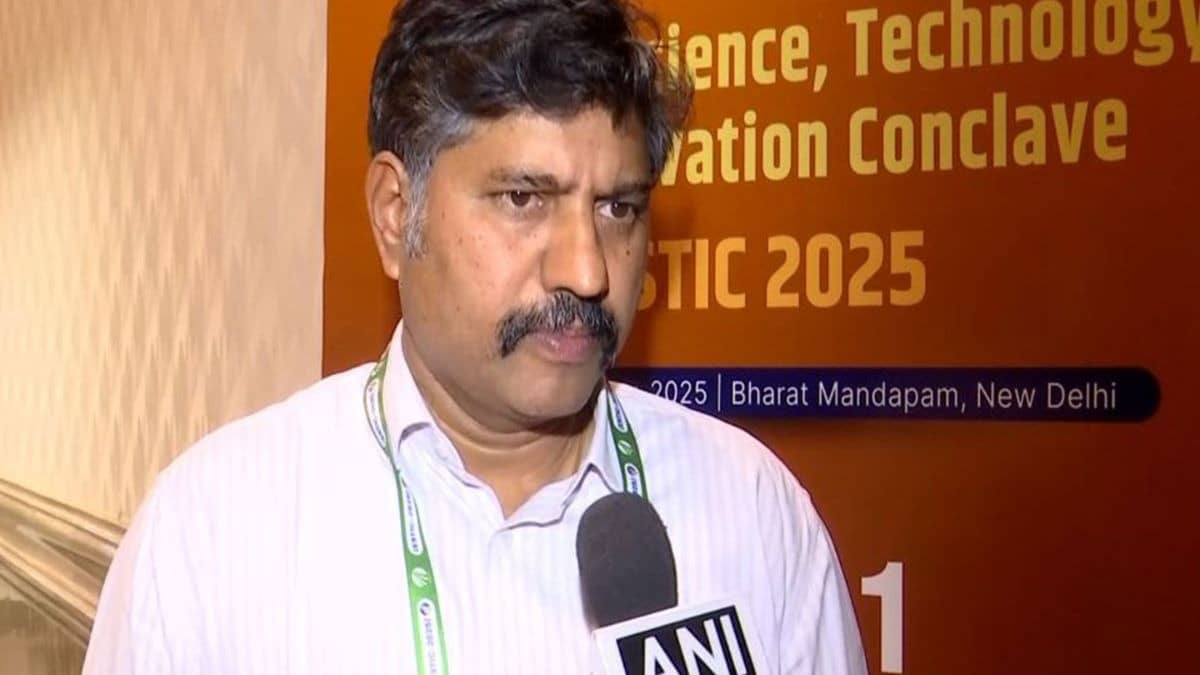
- Parag Naik, Executive Vice President of Tejas Networks and former CEO of Saankhya Labs
- What
- India's development of indigenous satellite chipsets, its role in SATCOM and future 6G connectivity, and the nation's push to become a product-driven innovation hub.
- When
- On the sidelines of the Emerging Science, Technology, and Innovation Conclave (ESTIC)
- Where
- India
- Why
- To enhance self-reliance, advance satellite communication for remote connectivity and national security, and transform into a product nation by 2047.
Innovation and Self-Reliance
Policy Evolution and Future Challenges
Indigenous Chipset Development
Innovation and Self-Reliance
India, through companies like Saankhya Labs (now Tejas Networks), is a global leader in developing indigenous satellite chipsets, enabling crucial applications like fisherman distress signals that save lives and demonstrating technological maturity.
Policy Evolution and Future Challenges
While progress is evident, semiconductor policies are in their early stages ('baby shoots') and are expected to continuously change and evolve, reflecting the dynamic nature of technological development and the need for ongoing adaptation.
Transforming into a Product Nation
Innovation and Self-Reliance
India must transition into a product-driven innovation hub beyond SATCOM, with a focus on digital communications and creating 'innovation centers in every district' to nurture practical, rural talent and build products for a global market.
Policy Evolution and Future Challenges
Achieving a 'product nation' status requires incentivizing curiosity, product building, and delayed gratification, acknowledging that policies will need to adapt and improve over time to foster this long-term innovation culture.
- Key Innovation
- Indigenous satellite chipsets and satellite IoT devices
- Company Example
- Tejas Networks (formerly Saankhya Labs)
- Expert Speaker
- Parag Naik, Executive Vice President of Tejas Networks
- Event Context
- Emerging Science, Technology, and Innovation Conclave (ESTIC)
- Advanced Development
- Next-generation, non-terrestrial 3GPP-based standards for satellite communications, integral to future 6G networks
- Impact Application
- Fisherman distress signals for saving lives and maritime safety
- Broader Goal
- Transforming India into a product-driven innovation hub and a 'product nation' by 2047
Sources
India Aims To Secure 10% of 6G Patents by 2030, Says DoT Secretary

100 5G labs set up across India to boost 6G research ecosystem: Govt
India's Indigenous SatCom Innovation and ISRO-Startup Partnership Powering Global Digital Leadership