

Archive · 22 Dec 2025
Panchayati Raj Institutions Struggle for Fiscal Autonomy
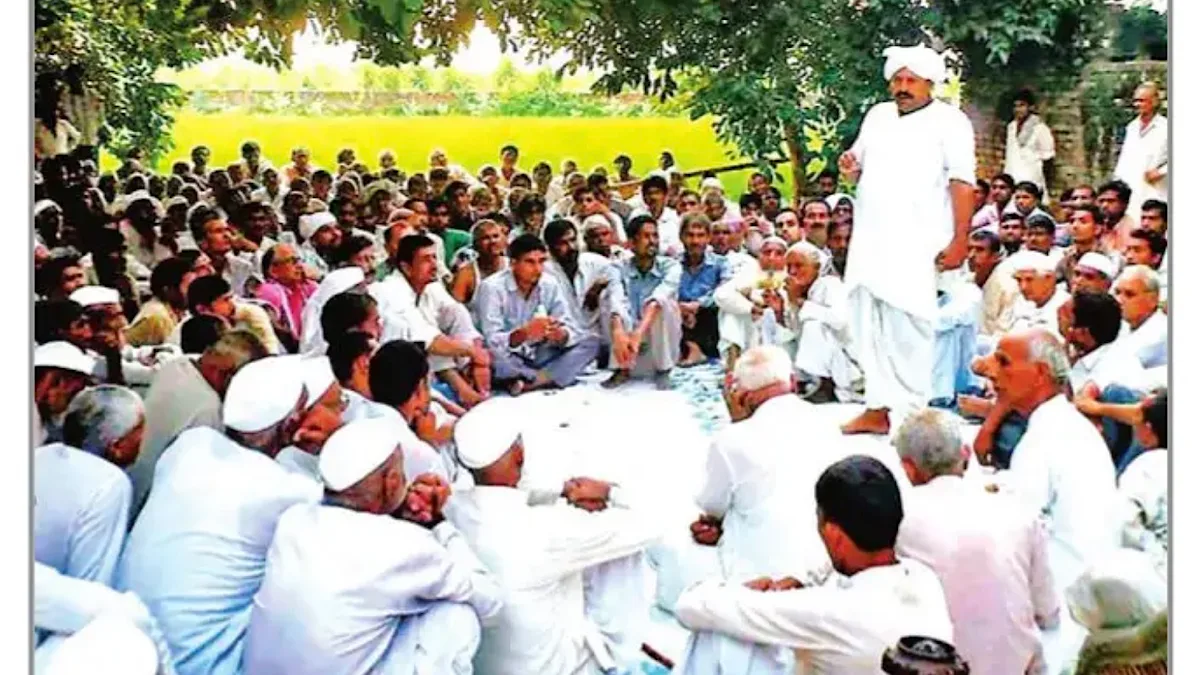
In 1993, India's government promised to give villages more power to govern themselves through Panchayati Raj Institutions (PRIs).
However, 30 years later, these village councils still don't have enough money to be truly independent.
Most of their funds come from the state and central governments, not from their own taxes.
Some southern states like Karnataka, Kerala, and Tamil Nadu have done better at giving their Panchayats more control over money and taxes.
But in many other states, village councils struggle to collect taxes like property tax because of confusing rules and lack of support.
To fix this, the government needs to give Panchayats more power to collect their own taxes, train them to manage money better, and reward them for doing a good job.
Without this, the promise of village self-rule remains unfinished.

Panchayati Raj Institutions (PRIs) depend on state and central transfers for 95% of their funds, with Own Source Revenue (OSR) remaining negligible.
Southern states like Karnataka, Kerala, and Tamil Nadu lead in fiscal decentralisation, while states like Jammu & Kashmir and Jharkhand lag behind.
Property tax, a key source of local revenue, is underutilised due to bureaucratic ambiguity and lack of operational capacity in many states.
Successful states have addressed the 'proximity paradox' by having the state set tax rates, shielding local leaders from direct blame.
Solutions include mandatory devolution of taxation powers, capacity building for Panchayat officials, and linking Finance Commission grants to OSR performance.
- Who
- Panchayati Raj Institutions (PRIs) and state governments
- What
- Struggle for fiscal autonomy and effective decentralisation
- When
- Three decades after the 73rd Constitutional Amendment in 1993
- Where
- Across India, with notable differences between southern and other states
- Why
- Lack of control over money and political will for fiscal decentralisation
- Own Source Revenue (OSR)
- Negligible, Panchayats depend on state and central transfers for 95% of funds
- Panchayats Devolution Index 2024
- National average: 43.69, Karnataka: 72.23, Kerala: 70.59, Tamil Nadu: 68.38, Jammu & Kashmir: 27.85, Jharkhand: 27.73
- Property Tax
- Accounts for 40% of OSR nationwide, India's property tax-to-GDP ratio is 0.2%
- Samartha
- Digital platform for end-to-end digitisation of OSR management
- Proposed Solutions
- Mandatory devolution, capacity building, incentivisation through Finance Commission grants